
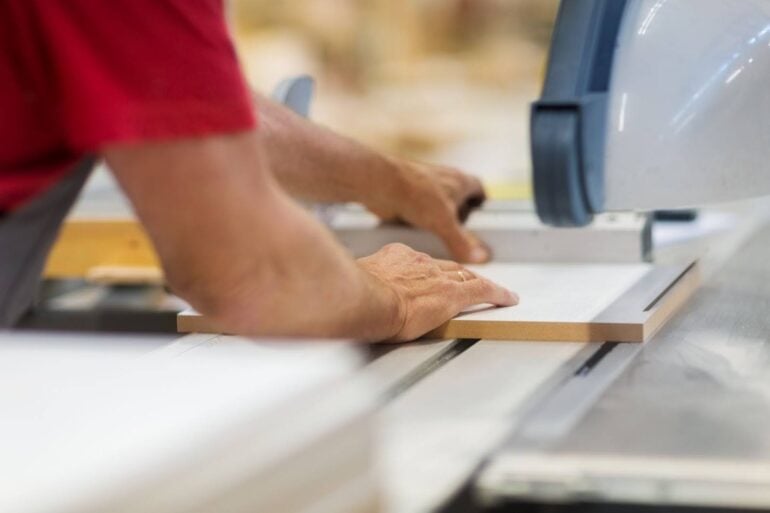
Dallas, TX – Finish carpentry services Dallas TX are shaping how homeowners in Dallas, TX approach interior updates as more projects emphasize long term durability, safe movement, and consistent detail across rooms. Recent residential planning activity across the region shows that finish carpentry services are being included earlier in project timelines to improve how doors, trim, stairs, and built in elements perform under daily use. The current news angle focuses on how early coordination of finish details is helping homes maintain quality standards while adapting to modern layouts.
Why Finish Carpentry Services Are Integrated Earlier
Interior detail work was once treated as a final step after major construction. Finish carpentry services are now coordinated during layout planning because details influence how spaces function over time. When finish work is planned early, transitions between rooms are smoother, door clearances remain consistent, and trim aligns with wall conditions. These decisions connect three outcomes: reliable fit of interior elements, safer daily movement, and visual consistency from room to room. Reliable fit supports smooth operation. Safer movement reduces trip risk. Visual consistency supports a cohesive interior.
For homeowners researching finish carpentry services Dallas TX, early planning often includes a review of thresholds, casing profiles, and stair edges. This helps align finish details with circulation paths and lighting placement.
Factors Driving Detail Focus in Dallas, TX Homes
Dallas homes reflect a wide range of build eras, which can result in mixed trim profiles and uneven interior lines. Finish carpentry services are being used to bring alignment and consistency to these interiors while respecting original design features. Open layouts and repurposed rooms also create new transition points that require precise finish work to maintain continuity.
Existing structures can present challenges such as uneven walls and varied ceiling heights. Finish carpentry addresses these conditions through careful scribing and measured alignment. This work links three elements: structural reality, detail execution, and final interior appearance. When these elements align, interiors present clean lines and stable edges.
Finish Carpentry and Interior Fit
Finish carpentry supports the fit and function of doors, windows, baseboards, and built in elements. Proper fit ensures doors open and close without friction, casing meets wall planes cleanly, and stair components meet edge safety requirements. These details influence durability and safety under daily use.
For homeowners comparing finish carpentry Dallas TX, alignment and wear resistance are common evaluation points. Alignment affects how trim meets floors and ceilings. Wear resistance affects how well surfaces hold up at contact points. The connection between alignment, wear, and daily use explains the value of detail focused work.
Interior Finish Carpentry and Performance Standards
Interior finish carpentry follows performance standards that shape long term outcomes. Proper fastening supports stability. Consistency reveals support for visual order. Moisture aware detailing protects wood near kitchens and baths. These practices connect three technical factors: stability, consistency, and material protection.
For readers assessing interior finish carpentry Dallas TX, useful indicators include fastening patterns, joint treatment, and tolerance control. These indicators provide practical ways to assess quality beyond surface appearance.
Materials, Finishes, and Indoor Conditions
Material choices affect how finish carpentry services perform in Dallas homes. Solid wood profiles, engineered trim, and low emission finishes are often selected to balance durability and indoor comfort. Finish selection influences resistance to wear at high contact areas such as door casings and stair rails.
Indoor conditions such as heat and humidity can cause wood movement over time. Finish systems that account for these conditions tend to maintain alignment and appearance longer. These choices support predictable performance and reduce maintenance needs.
Installation Practices and Safety in Lived In Spaces
Finish carpentry services intersect with safety at thresholds, stair edges, and handrails. Proper edge treatment reduces trip hazards. Handrail placement supports safe movement between levels. Threshold alignment supports smooth transitions between rooms. Coordination with other trades helps prevent conflicts with outlets, vents, and access panels.
Innovations Carpentry has taken part in Dallas, TX projects where finish details were planned around stable mounting, safe transitions, and consistent alignment. The work reflects common residential practices used when interior details affect daily movement and access.
Community Context and Long Term Interior Use
Finish carpentry services influence how interiors adapt as homes change. Durable trim and consistent profiles support future updates without full replacement. This allows interiors to remain flexible as room functions evolve. In Dallas neighborhoods with varied home styles, context aware detailing helps new work align with existing proportions.
For homeowners seeking finish carpentry services Dallas TX and the areas we serve, outcomes improve when project scope is defined early. Scope includes trim profiles, door casing types, stair detailing, and built in elements. Clear scope supports smoother scheduling and fewer late changes during installation.