
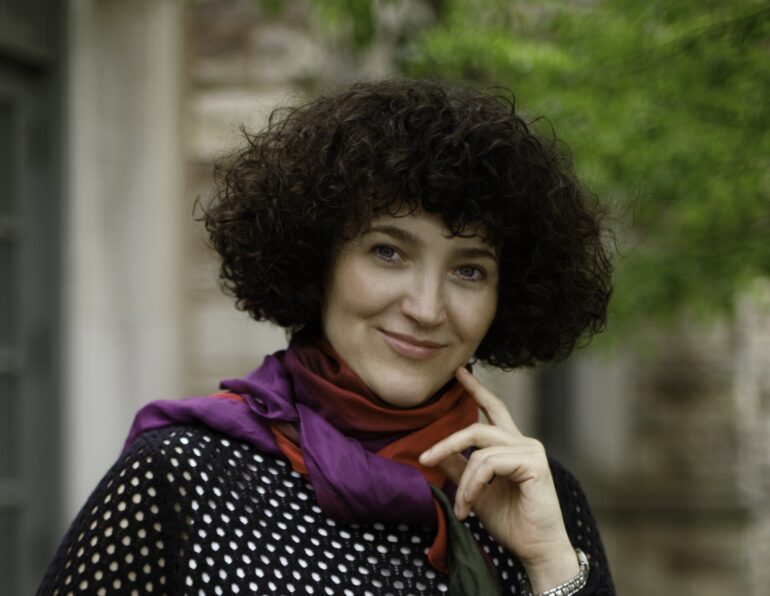
For generations, the medical field has excelled at identifying symptoms, isolating visible problems, and designing treatments that target the parts of the body that appear to be malfunctioning. Yet an increasing number of practitioners have begun to question whether the surface level approach can truly explain the complexity of modern illness. Among them is Oxana Ali, a clinician and researcher whose work challenges the very foundation of how people understand disease. She believes that health cannot be understood through symptoms alone because many of the most powerful disturbances inside the body begin long before symptoms appear.
Her framework is built on a central idea that is both simple and profound. She argues that every disease begins with conflict. Not conflict in the form of arguments or external stress but conflict at the deepest internal level. According to her, the body reacts to emotional discord, unresolved patterns, inherited stress, and structural tension in ways that influence the entire system. Over time these conflicts shape the biology of cells, the alignment of the structure, and the balance of the nervous system.
The Invisible Battlefield Within
At the heart of Oxana Ali’s message is the belief that the body and the mind hold unresolved imprints. It remembers emotional events, patterns within families, and internal states that were never resolved. She often explains that when emotional conflict is present, the body moves into a protective mode. The breath becomes shallow, the jaw tightens, the muscles stiffen, and the nervous system remains alert. When this pattern continues long term, the body becomes stuck in defense.
This state of chronic protection has consequences. The digestive system slows. The immune system becomes imbalanced. Hormones shift in unpredictable ways. Even the alignment of the jaw and spine can change. Over time these changes can produce symptoms that appear unrelated to the original emotional conflict. Headaches, jaw pain, fatigue, inflammation, sleep disturbances, and chronic tension may all develop as the body tries to adapt to the conflict within it.
Oxana Ali explains that this process is not imaginary and not philosophical. It is biological. Research in neuroscience shows that emotional stress influences neural pathways. Studies in epigenetics demonstrate that inherited emotional patterns can alter gene expression. Work in embryology shows how the development of structure and organs is guided by early sensory and emotional inputs. These fields point to a single conclusion. The emotional world and the physical body are woven together.
Rethinking the Origin of Disease
What makes Oxana Ali’s framework so distinct is her insistence that disease does not begin with physical dysfunction. Instead she believes that disease begins when the body’s systems lose harmony. She often describes the body as a continuous conversation between organs, nerves, tissues, emotions, and thoughts. When conflict enters this conversation the balance breaks down. The body begins to compensate and those compensations can eventually give rise to illness.
This approach is especially clear in her work with dental health. She has observed that unresolved emotional patterns often appear in the jaw, the bite, and the surrounding muscles. Children who experience tension at home may develop breathing issues, structural imbalances, or misaligned bites that cannot be explained by simple mechanical factors. Adults who hold long term stress may clench their teeth or carry tension in the facial muscles that eventually disrupts the alignment of the entire structure. For her these patterns are not random. They are expressions of unresolved conflict that the body has attempted to manage.
Her work with microkinesitherapy reinforces this idea. The method is based on identifying subtle traces of conflict stored within tissues. According to her, releasing these traces can often improve symptoms that traditional approaches have been unable to solve. She explains that these subtle conflict points act like echoes. They influence posture, breath, and muscle engagement long after the original emotional event has passed.
A Call for a More Complete Model of Health
Oxana Ali’s framework does not reject modern medicine. Instead it extends it. She argues that medicine has mastered the science of diagnosing symptoms but needs a stronger understanding of the foundations that create those symptoms. She encourages practitioners to look at the emotional environment of the patient, their family patterns, their stress responses, and their internal narratives. She believes that when practitioners see the person as a complete system rather than a collection of symptoms, treatment becomes more effective and more compassionate.
She speaks often about the influence of childhood on lifelong health. Children absorb emotional states from their environment and these states can shape their development long before symptoms appear. She encourages parents to create environments of stability, connection, and open communication because these states allow the body to remain in balance. She believes that emotional safety is one of the most important factors in preventing disease.
Toward a Future Where the Body Is Fully Understood
Oxana Ali’s work is reshaping conversations around disease and healing. She offers a view of health that is both scientific and deeply human. Her message is clear. If people want to understand why disease appears, they must look beyond the physical body and into the conflicts that shape how the body reacts to life. Her framework encourages people to see illness not as an isolated malfunction but as a message from a system that has been trying to adapt to conflict for far too long.
By recognizing the hidden conflicts inside the body and addressing them at their roots, she believes people can reach a deeper form of health, one that respects the full story of the person rather than just the symptoms they carry.
This article is published on Harcourthealth