
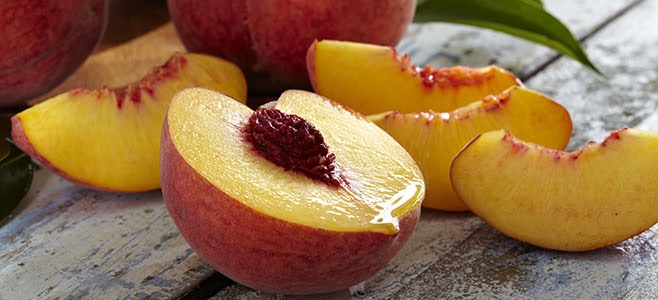
For most, the taste of peach is inseparable from summer, warm sunlight, backyard conversations, sticky fingers. But increasingly, that experience is no longer bound to July. Thanks to advanced cold storage, climate-controlled imports, and culinary innovation, stone-fruit season has extended its reach, making the essence of summer available even in the dead of winter.
The Illusion of Seasonality
Peaches are typically in peak form during summer months, from June through August in the U.S. But the modern food system has redefined what “in season” means. Grocers stock Chilean peaches in January. High-end markets offer late-season California varieties into October. And flash-frozen, vacuum-sealed, or pureed forms show up in everything from pastries to cocktails.
The result: peach isn’t just a fruit anymore, it’s a memory trigger. It evokes emotional recall. That’s what makes a perfectly ripe peach in December so striking. The flavor is more than sweet; it’s sensory transport.
Chemistry Meets Culture
What gives a peach its “summerness”? The answer is both chemical and cultural.
Peaches contain high levels of lactones, volatile compounds that produce creamy, coconut-like aromas. These notes intensify as the fruit ripens and are especially dominant in varieties bred for fragrance and softness. They mimic the olfactory profile of sunscreen, tropical drinks, and warm air, all things associated with leisure and sun.
In parallel, the cultural association of peach with warm weather has been reinforced through marketing and media. Summer-themed beverages, from fast food smoothies to the best THC seltzer lines, consistently reach for peach flavor to cue relaxation, warmth, and indulgence.
It’s not just flavor. It’s expectation.
Culinary Engineering: Extending the Season
Food innovators have leaned into that expectation. Restaurants are increasingly sourcing flash-frozen yellow peaches in vacuum packs to preserve texture and sugar balance. Bartenders build winter cocktails that use peach nectar or brandy to inject summer notes into otherwise warming drinks. Bakers pair spiced peach compote with rich pound cake for a cold-weather comfort twist.
“Peach is seasonal emotionally, not agriculturally,” says Justine Morrow, culinary director at a midtown New York eatery. “In January, we sell more peach cobbler than apple pie. It’s nostalgia on a plate.”
Meanwhile, beverage brands ride this sentiment. The rise of cannabis-infused drinks, particularly seltzers that highlight summer fruits, has leaned hard into stone fruit profiles. Labels with “sunset peach,” “summer haze,” or “orchard gold” are common, regardless of the actual harvest date.
One example: A popular entry in the best THC seltzer category is specifically marketed as “summer in a can,” despite its December debut.
Why Winter Peaches Don’t Always Disappoint
Critics often bemoan the mealy texture or dulled sweetness of out-of-season peaches. But improved logistics and global sourcing have changed the calculus.
Growers in Chile, Argentina, and South Africa now produce peaches with high brix counts and firm flesh that withstands shipping. Controlled-atmosphere storage in the U.S. lets late-harvest domestic peaches hold flavor longer. Even the frozen sector has evolved. Today’s frozen peaches often beat fresh ones on sugar, acid, and aroma in blind taste tests.
And let’s not overlook preserves. High-end peach jams and butters, when paired with salty cheeses or charred bread, offer a concentrated burst of summer flavor that feels seasonally appropriate, even in snowstorms.
The Psychology of Seasonal Eating
Eating seasonally is no longer just a function of availability. It’s about emotional congruence. People crave brightness in dark months, warmth in cold ones. Peach delivers that in ways few fruits can.
According to consumer research firm Datassentials, menu mentions of peach in winter increased 14% over the past five years, with strongest growth in bakery, spirits, and cannabis beverage categories.
The seasonal crossover of stone fruits like peach, nectarine, and apricot reflects a broader trend: consumers want escape. Peach isn’t just food. It’s mood.
FAQs: Peach and Stone-Fruit Seasonality
Why do peaches taste better in summer?
Peaches reach peak ripeness in warm temperatures, which amplifies their sugar, acidity, and aroma. Summer-harvested peaches are typically tree-ripened, producing optimal flavor.
Can you buy good peaches in winter?
Yes, but quality varies. Imported peaches from Chile and Argentina, or frozen and preserved options, offer excellent alternatives if sourced well.
Are canned peaches a good substitute?
High-quality canned or jarred peaches can retain flavor and texture, especially when packed in juice rather than syrup. They’re ideal for baking and cocktails.
Why is peach used in winter drinks and desserts?
Peach flavor triggers summer-related memories and emotions. In cold months, it provides a sense of brightness, nostalgia, and warmth, balancing heavier flavors and textures.
What’s the difference between clingstone and freestone peaches?
Clingstone peaches have flesh that clings to the pit, common in canned or processed forms. Freestone varieties separate easily and are typically sold fresh in markets.