
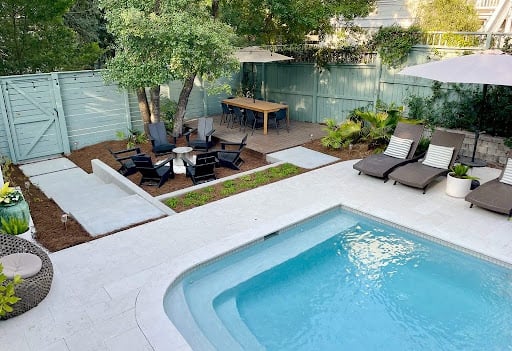
Modern pool design is no longer just about the water. Homeowners today want a fully integrated outdoor space that feels like a natural extension of their living area. That is where backyard zoning comes in.
Zoning is the practice of dividing your outdoor space into defined “rooms” with specific functions. When done correctly, it creates flow, improves usability, and elevates the overall look. Around a pool, it can turn a basic deck into a multifunctional retreat.
Here’s how to create intentional zones around your pool that combine function and comfort.
What Is Backyard Zoning?
Think of your backyard the same way you think of your home’s interior. You have a kitchen, a living room, a dining area, and possibly a reading nook. Each space serves a distinct purpose.
Backyard zoning applies this same logic to outdoor design. It divides your yard into function-specific “rooms,” usually with the pool at the center.
Common zones include:
Lounge areas
Dining or grilling stations
Sunbathing decks
Garden beds or privacy buffers
Play areas for kids
Storage or utility corners
Zoning helps small spaces feel larger and more organized. Around a pool, it also improves safety, increases usability, and creates a resort-style atmosphere.
Five Poolside Zones That Add Value
1. Lounging and Shade
This is your relaxation zone. Include weather-resistant seating, a pergola or large umbrella, and perhaps a fire bowl. Position this area near the shallow end or tanning ledge for easy access.
Use pavers, planters, or outdoor rugs to subtly define the space.
2. Outdoor Dining and Grill
A pool day often includes food. Set up your dining area downwind from the pool to avoid smoke drifting across the water. Include a built-in grill, prep counter, and a sturdy table.
For frequent hosts, consider adding string lights or an under-counter fridge.
3. Dry-Off or Towel Station
Keep wet towels off your lounge chairs. A simple setup with towel hooks, a bench, or an outdoor cabinet creates a clean, organized area for drying off.
4. Green Buffers and Privacy
Landscaping defines zones and adds visual softness. Use tall grasses, hedges, or planters to divide spaces and block unwanted views.
This is also a good spot to conceal filters, pumps, and utility boxes behind natural screens.
5. Maintenance and Access
Always plan a zone for maintenance. Leave access to pumps, valves, and storage areas. A narrow path or small shed can make a big difference.
If you hire a pool cleaning service near me
, this access zone becomes even more important for efficient visits.
Design Principles for Zoning Success
Even without major renovations, zoning can dramatically improve how you use your backyard. Apply these basic design principles for effective results.
Circulation
Make sure people can move easily between zones. Avoid blocked paths and tight corners. Use decks, pavers, or ground cover to guide foot traffic naturally.
Contrast and Texture
Change materials between zones to signal a shift in purpose. Grass might border stone, or tile might give way to wood. This keeps the design interesting and clear.
Purpose-Driven Furnishings
Each zone should invite a specific activity. Use deep loungers near the pool, stools near the grill, and benches near a hot tub. Avoid crowding one area with mismatched furniture.
Functional Lighting
Use lighting to match the mood and purpose of each zone. Place path lights along walkways, brighter task lights near cooking areas, and ambient lighting for lounges.
Working With a Professional
Some homeowners prefer to handle zoning themselves. Others choose to bring in professionals who specialize in pool-centered landscapes.
Companies like Vista Pools LLC
can help with layout planning, structural upgrades, permitting, and finishes. If you are starting with an existing pool, zoning updates often require minimal changes. Strategic furniture, potted plants, and deck extensions can redefine the space quickly.
FAQs
What if I have a small backyard?
Focus on two or three zones only. Prioritize circulation and use vertical space. Modular furniture and multi-purpose pieces help maximize function.
Do I need permits to build outdoor features?
Yes, in most areas. Anything with plumbing, gas, or electricity usually requires a permit. Check your local building code before starting.
Can plants around a pool make maintenance harder?
Yes, depending on what you plant. Avoid high-shedding trees or mulch near the water. Choose low-maintenance, native species where possible.
Are outdoor rugs a good idea for zoning?
Yes. They define spaces without hard edges, especially in lounge and dining zones. Look for UV-resistant, non-slip options.
How do I handle nighttime lighting across zones?
Use layered lighting. Path lights for safety, wall sconces for ambiance, and bright LEDs near cooking or high-traffic areas. Smart timers and dimmers help you control zones individually.
Final Word
A pool is more than a place to swim. With smart backyard zoning, you can create a personal retreat that works for your lifestyle. Separate areas for lounging, eating, privacy, and maintenance will keep your outdoor space organized, comfortable, and ready to enjoy.
Even modest zoning upgrades can deliver a big payoff in usability and visual appeal. Whether you go the DIY route or work with professionals like Vista Pools LLC, zoning turns your pool area into a complete outdoor experience.