
America’s aging population is creating one of the most significant challenges facing the healthcare system. As millions of people enter retirement age, demand for rehabilitation services, skilled nursing facilities, assisted living, and other forms of long-term care continues to increase. Meeting this demand will require investment, operational expertise, technological innovation, and a renewed focus on the needs of older Americans.
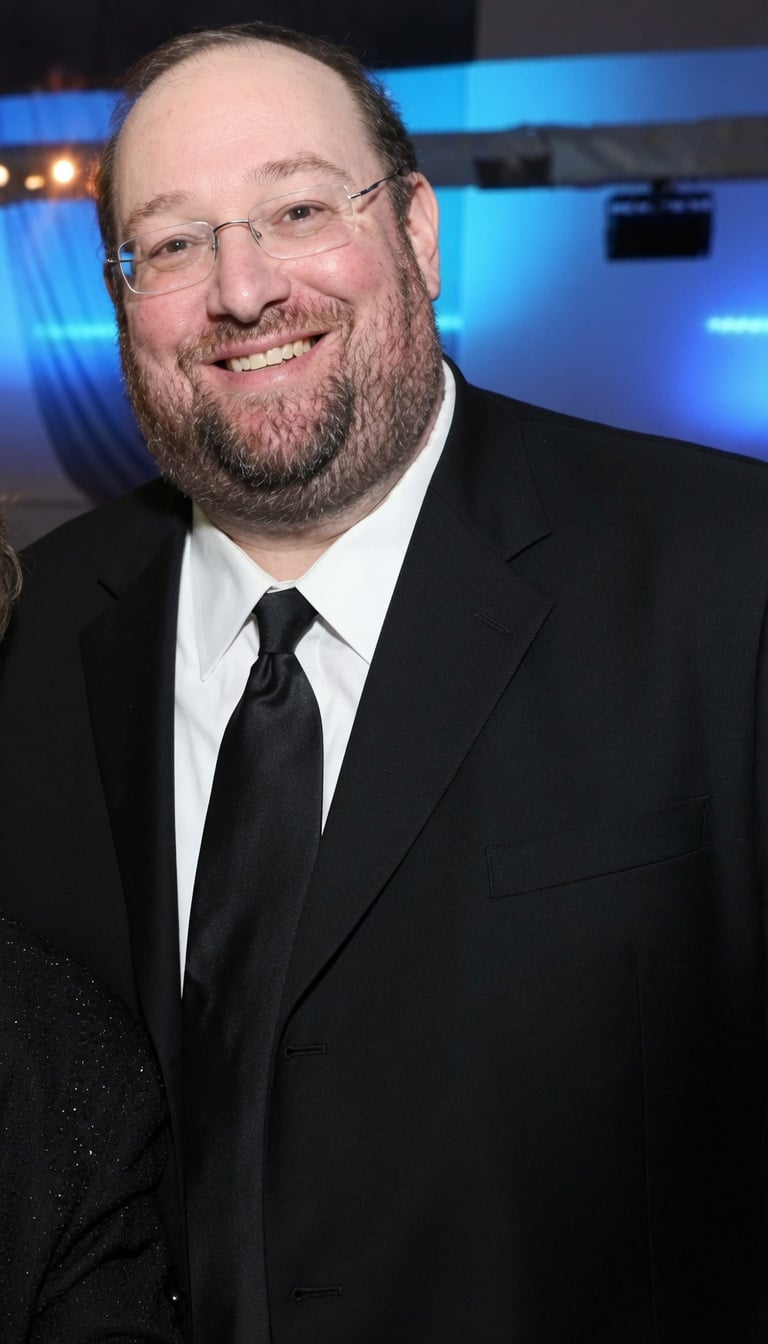
For healthcare executives and investors such as Shlomo Rechnitz, the changing demographics of the country represent both an important business consideration and a significant responsibility.
Why Senior Care Is Becoming a National Priority
The United States has experienced a substantial demographic transformation over the past several decades. People are living longer, medical treatments are becoming more sophisticated, and families are increasingly confronting the practical challenges associated with caring for aging relatives.
According to the U.S. Census Bureau, the older adult population has grown substantially in recent years. By 2030, all members of the Baby Boomer generation will have reached at least age 65.
This demographic shift has implications throughout the healthcare system.
Hospitals must manage increasing numbers of older patients. Rehabilitation providers must accommodate people recovering from complex medical procedures. Skilled nursing facilities must support residents with a wide range of physical, cognitive, and medical needs.
Families, meanwhile, frequently find themselves navigating complicated decisions about where their loved ones should receive care.
The result is an increased need for organizations that understand the relationship between healthcare delivery, institutional infrastructure, and long-term planning.
The Role of Skilled Nursing Facilities
Skilled nursing facilities occupy an important position within the broader healthcare continuum.
For some patients, a nursing home provides temporary rehabilitation following hospitalization or surgery. For others, it provides a longer-term residential setting where professional assistance and medical supervision are necessary.
These facilities require coordinated teams of nurses, nursing assistants, rehabilitation specialists, administrators, physicians, and support personnel.
Their responsibilities extend beyond medical treatment. Nutrition, mobility, social interaction, medication management, and emotional well-being all contribute to the resident experience.
This complexity makes long-term care a challenging business environment. Facilities must maintain adequate staffing, comply with extensive regulations, manage reimbursement requirements, and invest in buildings, equipment, and technology.
Ownership and strategic oversight therefore carry considerable responsibilities.
Healthcare Investment Requires Long-Term Thinking
Rechnitz’s professional background includes medical supply distribution through TwinMed and subsequent involvement in skilled nursing and long-term care investments.
His experience in the healthcare supply industry provided exposure to the operational requirements of institutional care providers. Medical supplies, procurement arrangements, and distribution networks are essential components of healthcare delivery.
The transition into long-term care ownership introduced another dimension: the infrastructure required to support patients over extended periods.
Los Angeles Nursing Homes describes its investment philosophy in terms of responsible stewardship, financial discipline, organizational oversight, and sustainable growth.
These principles are particularly relevant in an industry where facilities require ongoing capital investment and operational attention.
Long-term care ownership must also be evaluated through the lens of resident safety and quality. California’s nursing home sector has faced significant scrutiny over staffing, regulatory compliance, and patient outcomes. Investigative reporting published by CalMatters in 2025 detailed lawsuits involving facilities associated with Rechnitz. His companies denied the allegations. This history makes transparent oversight and measurable standards of care especially important subjects for the industry.
Technology and the Next Generation of Elder Care
One of the most important developments in senior care is the growing role of technology.
Electronic health records, medication-management systems, remote monitoring, and improved communication tools can help healthcare professionals coordinate services and identify potential problems.
Artificial intelligence may also offer opportunities to reduce administrative workloads, organize information, and improve operational efficiency.
However, technology cannot replace the human relationships that define good elder care.
An older adult recovering from surgery still needs attentive nursing staff. A resident with limited mobility still requires assistance from trained caregivers. Families still need communication, reassurance, and confidence that their loved ones are being treated with dignity.
The most effective technological investments will be those that support healthcare professionals rather than distract them from patient care.
Preparing for the Next Decade
The next decade will test the ability of healthcare organizations to adapt to changing demographics and increasing demand.
Successful long-term care organizations will need to combine sound financial planning with strong clinical leadership, workforce development, regulatory compliance, and thoughtful investment in technology.
The conversation about senior care must also include families, policymakers, healthcare professionals, and the communities in which facilities operate.
America’s aging population is not a temporary market trend. It is a fundamental demographic reality. The decisions made by healthcare investors and operators today will influence the availability, accessibility, and quality of care for years to come.
The future of senior care will ultimately be measured not simply by the number of facilities built or the amount of capital invested, but by whether older Americans receive the support, dignity, and attention they deserve.