
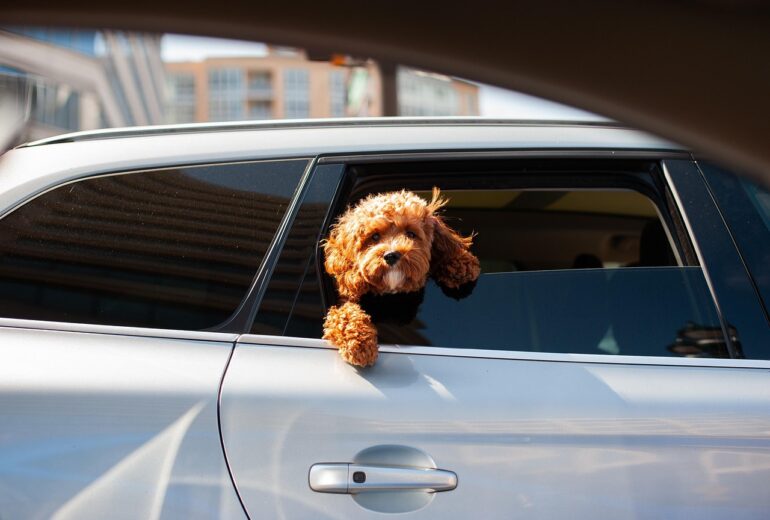
America is a nation of dog lovers, but our affection for four-legged companions may be putting lives at risk. With 68 million U.S. households owning at least one dog, car rides with pets are more common than ever. Yet this new study by DeMayo Law Offices reveals that dogs can be among the most dangerous distractions on the road, contributing to crashes, injuries, and even fatalities.
According to the National Highway Traffic Safety Administration (NHTSA), 40,901 people died in motor vehicle crashes in 2023. While speeding, impaired driving, and seatbelt neglect topped the list of causes, distracted driving accounted for 3,275 fatalities. Though phones are often blamed, pets are increasingly cited as contributing factors.
America’s Growing Love Affair With Dogs
Across the country, dogs are family. Nearly 90 million dogs live in U.S. homes, representing at least one in every two households. Millennials own more pets than any other generation, but Baby Boomers, Gen X, and Gen Z all have significant shares of pet ownership.
Americans spend heavily to care for their companions: $151.9 billion was spent on pets in 2024, with projections climbing to $157 billion in 2025. Dogs account for the largest share of this spending—an average of $1,533 per household annually. For many, the cost is worth it, given the well-documented health benefits. Studies show that dog owners are more physically active and report lower rates of loneliness and anxiety.
Still, those benefits can quickly be overshadowed when dogs join their owners on the road.
The Hidden Dangers of Driving With Dogs
Survey data shows that 1 in 4 dog owners admit to holding their pet while braking, and nearly 20% say they’ve stopped their dog from climbing into the front seat while driving. These seemingly small behaviors can have catastrophic results when combined with the high stakes of highway driving.
-
84% of owners let their dogs ride unrestrained.
-
52% admit to petting their dog while driving.
-
17% allow dogs to ride on their laps.
Not only does this increase distraction, but in a crash, an unrestrained pet can become a projectile. A 10-pound dog in a 50 mph collision can exert 500 pounds of force, while an 80-pound dog in a 30 mph crash can generate over 2,400 pounds of force. These forces can injure or kill both the pet and human passengers.
Breed Matters: Which Dogs Are Safest in Cars?
The study ranked both popular and rare dog breeds based on temperament, trainability, and behavior in vehicles.
-
Safer travel companions: Labradors, Golden Retrievers, and Poodles ranked highly, thanks to their calm demeanor and obedience.
-
More challenging breeds: Dachshunds and Beagles were flagged as harder to manage, given their excitable and independent nature.
-
Special risks: Flat-faced breeds like Bulldogs and French Bulldogs require extra monitoring due to breathing challenges that worsen in cars.
Meanwhile, less popular but calmer breeds such as the Bergamasco Sheepdog and Sussex Spaniel were found to be surprisingly car-friendly, while anxious breeds like the Norwegian Lundehund ranked poorly.
Regional Trends in Pet Popularity
The report also highlights differences across the U.S.:
-
Labrador Retrievers are the most popular in the Midwest and the West, loved for their adaptable nature.
-
Golden Retrievers dominate the Northeast, especially in suburban households.
-
French Bulldogs are booming in cities along the Northeast and West Coast, where their small size makes them ideal urban companions—even if that doesn’t always translate into good car manners.
Safety First: Protecting Pets and Passengers
Despite the risks, only 16% of drivers currently use restraints for their pets. Experts recommend crash-tested harnesses, booster seats, or crates to minimize injury risk. Beyond restraints, drivers should also:
-
Train dogs for calm car behavior.
-
Plan regular breaks on long trips.
-
Avoid front seats, where airbags and driver interaction create added danger.
-
Monitor dogs for motion sickness or anxiety, which can escalate during extended rides.
A Call to Action
“Dogs make loyal companions, but too often they’re overlooked as driving distractions,” said a spokesperson of DeMayo Law Offices. “Every year, thousands of accidents happen because drivers try to manage their pets while also managing the road. By using restraints and preparing properly, drivers can make car journeys safer for everyone inside the vehicle.”
With distracted driving contributing to 8% of all crash fatalities, awareness is critical. As the U.S. prepares to spend over $157 billion on pets in 2025, ensuring safe travel should be part of that investment.