
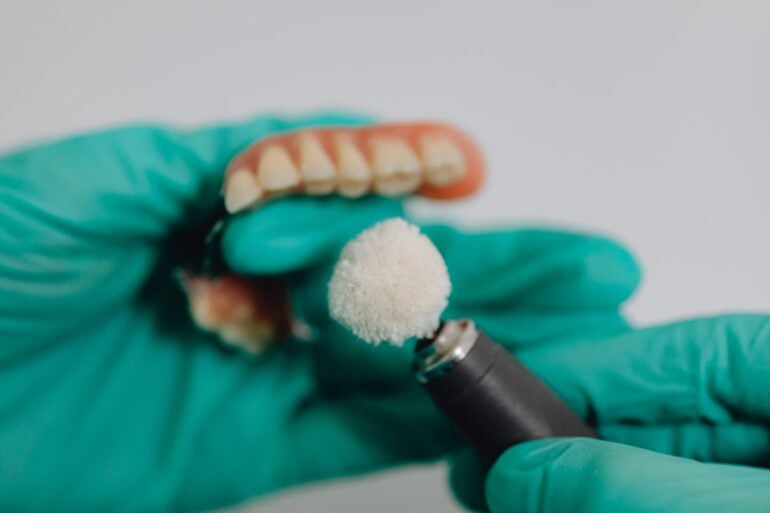
Getting replacement teeth is a life-changing event. It restores your ability to eat your favorite foods, speak clearly, and smile with confidence. Whether you visit a local clinic or choose the convenience of online dentures, the journey doesn’t end once you have your new smile. Many people mistakenly believe that because their replacement teeth are artificial, they don’t require the same level of care as natural teeth. This is a dangerous misconception.
Just like natural enamel, acrylic and porcelain surfaces are magnets for bacteria, plaque, and food particles. When you neglect your daily cleaning routine, you aren’t just risking a stained smile; you’re actively inviting a host of painful and frustrating oral health problems. Let’s explore exactly what happens inside your mouth when your daily cleaning habits fall short.
The Threat of Denture Stomatitis
One of the most common issues linked to poor cleaning habits is a condition called denture stomatitis. This is essentially an overgrowth of yeast, specifically Candida, which naturally lives in your mouth in small amounts. When you don’t clean your appliance thoroughly, or if you wear it to bed without letting your gums breathe, this yeast multiplies rapidly.
Stomatitis presents as a red, inflamed, and swollen area on the roof of your mouth or along your gum line right where the appliance rests. While it might not always cause severe pain right away, it often leads to a constant, annoying burning sensation. Treating it requires anti-fungal medications and a complete overhaul of your hygiene routine, making it a frustrating ordeal that is entirely preventable with proper brushing and soaking.
Chronic Bad Breath
Nobody wants to deal with bad breath, but skipping your cleaning routine is a guaranteed way to develop it. Throughout the day, tiny food particles get trapped in the microscopic crevices of the acrylic base. If you only give your appliance a quick rinse instead of a proper scrub, those food particles start to break down and rot inside your mouth.
The bacteria that feed on this leftover food produce sulfur compounds, which carry a highly unpleasant odor. Because acrylic is slightly porous, it can actually absorb these foul smells over time. Eventually, no amount of mouthwash or breath mints will mask the scent, and you’ll be left feeling incredibly self-conscious during normal conversations.
Irritation, Blisters, and Sores
Your gums are covered in delicate tissue. When you wear a dental appliance, it needs to fit snugly and smoothly against that tissue. If you fail to clean it properly, plaque hardens into tartar, just like it does on natural teeth. This tartar forms rough, uneven patches along the surface of the appliance.
When you put the appliance back in your mouth, these hard, calcified bumps constantly rub against your soft gums every time you chew or speak. This constant scraping easily leads to raw spots, painful blisters, and open sores. Once you have an open sore in your mouth, wearing your teeth becomes an agonizing experience, often forcing you to take them out entirely until your gums heal.
Accelerated Bone Loss
While some bone loss is a natural consequence of losing your teeth, chronic inflammation speeds up the process significantly. When your gums are constantly irritated and inflamed due to bacteria and tartar buildup, your body responds by sending inflammatory cells to the area. This prolonged state of inflammation actually signals the underlying jawbone to break down faster.
As the bone shrinks, the shape of your gums changes. Your appliance will become loose, slipping and sliding around when you try to eat. A poorly fitting appliance causes even more sore spots, creating a vicious cycle of discomfort. You’ll end up needing relines or complete replacements much sooner than you would if you had just maintained a clean environment from the start.
Respiratory Infections
The health of your mouth is deeply connected to the rest of your body. The bacteria and fungi that multiply on dirty dental appliances don’t just stay in your mouth. Every time you inhale, you risk pulling those harmful microbes down the back of your throat and directly into your lungs.
For older adults or individuals with compromised immune systems, this presents a serious risk. Inhaling these specific oral bacteria has been closely linked to respiratory infections, including aspiration pneumonia. Taking a few minutes to sanitize your teeth at night isn’t just about keeping your breath fresh; it’s a vital step in protecting your overall physical health.
Simple Steps for Proper Care
Avoiding these nasty complications doesn’t require hours of effort. Implementing a few smart habits will keep your mouth healthy and your smile looking pristine.
- Brush daily: Use a soft-bristled brush specifically designed for dental appliances. Avoid regular toothpaste, as it often contains abrasives that scratch the acrylic, creating tiny hiding spots for bacteria. Use mild dish soap or a specialized cleaner instead.
- Soak overnight: Your gums need a break while you sleep. Place the appliance in a glass of water or a specialized soaking solution to keep it from drying out and warping. This also helps loosen stubborn plaque.
- Rinse after meals: Whenever possible, take your teeth out after eating and give them a quick rinse under warm water to dislodge loose food particles before they have a chance to settle.
- Clean your mouth: Don’t forget to gently brush your gums, tongue, and the roof of your mouth with a soft toothbrush before putting your teeth back in.
A Lifelong Commitment to Your Smile
Maintaining your replacement teeth is an ongoing commitment to your own well-being. Skipping a cleaning might seem harmless after a long, tiring day, but the compounding effects of bacteria and plaque will eventually catch up with you. By treating your artificial teeth with the exact same respect and diligence you would give natural ones, you’ll prevent painful infections, save money on premature replacements, and ensure your smile always feels as good as it looks.