
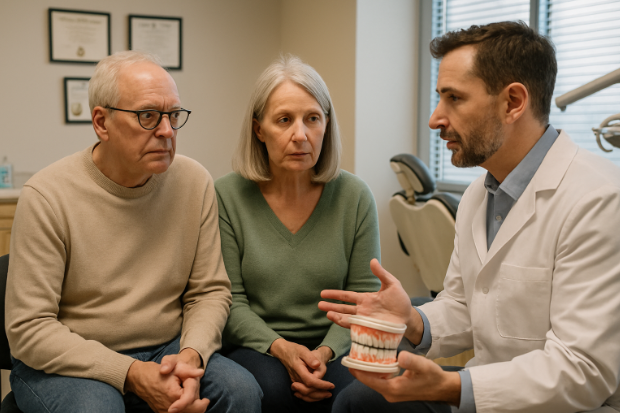
The United States is aging at one of the fastest rates in its history, and this demographic shift is reshaping every aspect of healthcare, including dentistry. According to the U.S. Bureau of Labor Statistics, employment of dentists is projected to grow steadily through the 2030s as larger numbers of older adults require ongoing dental services. This increase in demand presents both challenges and opportunities for local dental practices, which are becoming essential health partners in communities across the country.
Aging and Oral Health: A Growing Priority
The connection between aging and dental health is well-documented. As people live longer, they are keeping more of their natural teeth than previous generations, thanks to decades of improvements in preventive dentistry. However, this longevity comes with new complications. Older adults face a higher risk of gum disease, root decay, tooth wear, and other chronic oral health conditions that require ongoing professional attention.
The Centers for Disease Control and Prevention (CDC) reports that nearly 70 percent of adults aged 65 and older have some form of periodontal disease. Many also experience dry mouth, tooth sensitivity, or oral infections as side effects of medications for other health conditions such as diabetes, hypertension, or heart disease.
Because oral health directly affects nutrition, speech, and confidence, maintaining regular dental visits becomes crucial as people age. These factors help explain why the BLS projects that the demand for dentists will rise in step with the growth of the senior population.
Population Shifts Driving Local Demand
Demographic trends reveal how this shift plays out at the local level. The U.S. Census Bureau projects that by 2034, older adults will outnumber children for the first time in American history. Communities everywhere from large urban centers to suburban neighborhoods are seeing a surge in residents aged 60 and older.
This means that local dental practices are serving a rapidly growing group of patients with unique needs. Many of these individuals require more frequent checkups, specialized restorative procedures, and preventive care to manage long-term conditions. General dentists, in particular, are at the front lines of this shift. Their ability to provide comprehensive services like cleanings, fillings, dentures, and early detection of disease, positions them as key players in maintaining community health.
Changing Needs of Older Dental Patients
Older adults present a different profile of dental care requirements than younger populations. While younger patients often visit for preventive care, cosmetic treatments, or orthodontic work, seniors tend to need ongoing restorative and maintenance-based procedures.
Common treatments include the repair or replacement of old dental work, crown or bridge adjustments, and management of gum disease. There is also a higher demand for dentures, implants, and bite correction services as patients seek to maintain function and comfort.
Additionally, many seniors face health conditions that make dental visits more complex. Reduced mobility, cognitive decline, and chronic illnesses may require dentists to adapt their methods and scheduling to accommodate individual circumstances. This is where local accessibility becomes critical, dentists located near residential communities, senior housing, and healthcare centers are in an ideal position to meet this growing need.
Local Practices Adapting to Demographic Change
Across the country, general dental practices are beginning to adjust their models to better serve aging patients. Many are expanding their service offerings to include geriatric-focused care, preventive education, and partnerships with local healthcare providers.
Some clinics are implementing home-care coordination or offering flexible appointment hours to assist patients with transportation or caregiving needs. Others are training staff to better understand the physiological and emotional aspects of treating older adults.
For example, the American Dental Association has encouraged local practices to integrate oral-systemic health approaches, recognizing that dentists play a critical role in identifying early signs of broader health conditions such as diabetes and cardiovascular disease. This integration benefits older patients, who often require coordinated care among multiple medical professionals.
Bridging the Access Gap
While the demand for dental services is rising, accessibility remains a concern. Many older adults live on fixed incomes, and Medicare does not currently cover routine dental care. This gap forces seniors to either pay out of pocket or forgo necessary treatments. According to the National Institute of Dental and Craniofacial Research, roughly one in five older adults have untreated cavities, and one in five have lost all of their natural teeth.
Local dental offices can help close this gap by offering flexible payment options, participating in community outreach programs, or working with local organizations that assist low-income seniors. Mobile dental clinics and nonprofit initiatives have also proven effective in expanding access to underserved populations. By taking a proactive role, local dentists not only grow their practices but also strengthen the overall health infrastructure of their communities.
The Road Ahead for Local Dentistry
The aging population represents both a challenge and a defining opportunity for modern dentistry. As the Bureau of Labor Statistics projects continued growth in the dental profession, the role of local dentists becomes more vital than ever. Communities will depend on accessible, compassionate dental care to support the health, confidence, and quality of life of older adults.
For local dental practices, understanding this demographic trend is key to long-term success. Those who invest in patient education, preventive services, and inclusive care models will be best positioned to meet the growing demand. The future of dentistry, in many ways, is local and it will be shaped by how well communities care for their aging neighbors.
Conclusion
The nation’s older population is expanding rapidly, and with it comes a greater need for routine, accessible dental care. As millions of Americans enter their senior years, general dentists will continue to play a vital role in keeping communities healthy and connected. The Bureau of Labor Statistics’ projection is more than a workforce forecast, it is a reminder that the foundation of good health begins with a healthy smile, and ensuring that every generation has access to quality dental care is a responsibility shared by all.