
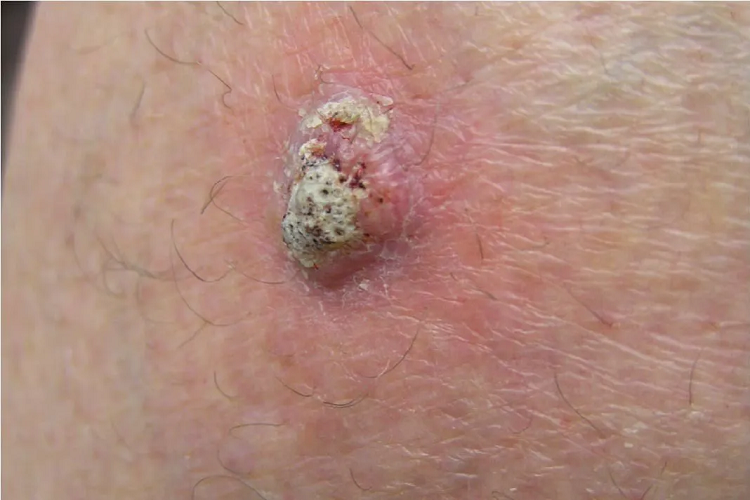
Squamous cell carcinoma (SCC) is a common type of skin cancer that develops in the squamous cells found in the outer and middle layers of the skin. While less aggressive than melanoma, untreated SCC can spread to other parts of the body, making early detection and treatment crucial. Often caused by prolonged sun exposure or the use of tanning beds, SCC typically appears on sun-exposed areas such as the face, neck, arms, and hands. However, it can also develop in internal organs like the lungs & oesophagus. Knowing the causes, symptoms, and available treatments options can help people take proactive steps to save their skin and get timely medical attention if needed.
Describes Squamous Cell Carcinoma Here.
Damage of DNA causes SCC; this is mostly related to tanning beds or extended sun exposure. Usually found on sun-exposed areas including the face, ears, neck, arms, hands, and legs, it is SCC can, nevertheless, also grow inside the body, including the lungs and oesophagus.
Typical SCC Signs:
A red, scaly lesion that does not heal, a firm, elevated bump that may crust or bleed, a wart-like growth, or a persistent sore that never goes away could all be signs of squamous cell carcinoma (SCC).
The treatment for SCC depends on its location, size, and stage of malignancy. Common treatment options include:
Eliminating Surgeons:
Precision: The malignant tissue is removed together with a little margin of good skin.
Mohs surgery is an exact technique whereby small skin layers are removed and under a microscope scrutinised until no cancer remains. High-risk areas, like the face, benefit greatly from this approach.
Radiotherapy
Cancer cells are wiped out by high-energy X-rays. Patients unable to undergo surgery or with SCC unable to be medically removed often choose this.
Treatments Topically
Applied directly to the skin, drugs like 5-fluorouracil (5-FU) or imiquimod can cure early-stage SCC.
Immunotherapy Or Targeted Therapy
Targeted drugs or immunotherapy enable the immune system to attack cancer in advanced states. These courses of treatment are advised when SCC has progressed to other organs.
Strategies for preventing problems include wearing sunscreen with an SPF of 30 or higher, avoiding tanning beds, and dressing in protective clothing, such as sunglasses and hats. Additionally, it is important to regularly examine your skin for early signs of squamous cell carcinoma (SCC).
In Conclusion
Squamous cell carcinoma is a treatable form of skin cancer when detected early. With various treatment options, including surgery, radiation, and topical therapies, patients can manage SCC effectively. Preventive measures, such as using sunscreen, avoiding tanning beds, and performing regular skin checks, can significantly reduce the risk of developing SCC. If you notice any unusual skin changes, consulting a dermatologist for evaluation ensures prompt diagnosis and treatment, helping maintain long-term skin health.
This post was written by a professional at Wall Dermatology. Wall Dermatology, led by Dr. Weston Wall, a fellowship-trained Mohs surgeon, is a premier dermatology practice dedicated to excellence in skin care. Born and raised in St. Petersburg, Dr. Wall is deeply committed to serving his community with expert medical, surgical, and cosmetic dermatology services. Specializing in skin cancer prevention, detection, and treatment, mohs doctors St Petersburg FL combine cutting-edge techniques with a compassionate, patient-first approach. With decades of experience, Dr. Wall and his team prioritize personalized care, ensuring each patient feels valued and confident in their skin health. Trust Wall Dermatology for expert, compassionate, and comprehensive dermatologic care.