
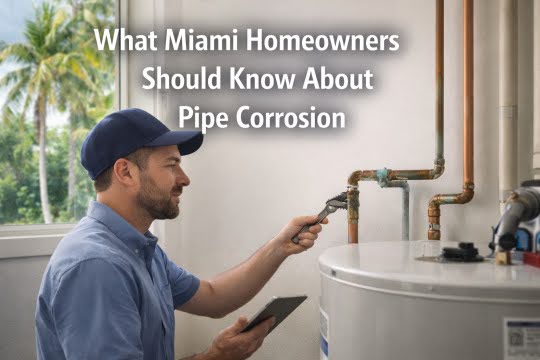
Pipe corrosion is a growing concern for many South Florida homeowners. In Miami, the combination of humidity, salt air, aging infrastructure, and mineral rich water can accelerate wear and tear inside residential plumbing systems.
Understanding how corrosion develops, the warning signs to watch for, and when to call professional plumbers Miami residents trust can save homeowners from costly repairs and water damage.
If you own a home in Miami, especially one built more than 20 years ago, pipe corrosion should be on your radar.
Why Pipe Corrosion Is Common in Miami
Miami’s coastal environment creates unique challenges for plumbing systems. Several local factors contribute to faster pipe deterioration:
High humidity levels year round
Salt content in the air near coastal areas
Hard water with elevated mineral content
Older galvanized steel or copper piping
Fluctuating water pressure
Salt air alone can accelerate metal oxidation. When combined with hard water deposits inside pipes, corrosion can develop both internally and externally.
Homes in neighborhoods near Biscayne Bay or other waterfront areas may experience faster pipe degradation compared to inland properties.
Types of Pipe Corrosion Found in Miami Homes
Not all corrosion looks the same. Understanding the most common types can help homeowners identify potential problems early.
Galvanic Corrosion
This occurs when two different metals are connected in the presence of water. The metals react, causing one to corrode faster.
Pitting Corrosion
Small pinhole leaks form in copper pipes due to chemical reactions with water minerals. These leaks may go unnoticed until water damage appears.
Uniform Corrosion
Metal gradually deteriorates over time, thinning pipe walls and increasing the risk of rupture.
Scale Build Up
Mineral deposits from hard water accumulate inside pipes, restricting water flow and increasing internal pressure.
Experienced plumbers Miami homeowners rely on can inspect systems to determine which type of corrosion is present and recommend appropriate solutions.
Warning Signs of Pipe Corrosion
Catching corrosion early can prevent major plumbing emergencies. Look for these signs:
Discolored water, especially brown or yellow tint
Metallic taste in drinking water
Reduced water pressure
Frequent leaks
Visible rust on exposed pipes
Unexplained increases in water bills
Even minor symptoms may indicate larger issues inside your walls or under your foundation.
The Risks of Ignoring Corrosion
Pipe corrosion does not resolve on its own. Over time, it can lead to:
Burst pipes
Water damage to drywall and flooring
Mold growth
Structural damage
Contaminated water supply
In Miami’s humid climate, water damage can quickly escalate. Mold growth thrives in damp conditions, increasing health risks and remediation costs.
Calling qualified plumbers Miami professionals at the first sign of trouble can prevent thousands of dollars in repairs.
How Plumbers Diagnose Corrosion
Professional plumbers use specialized tools to assess the condition of your plumbing system. These may include:
Camera inspections inside pipes
Water quality testing
Pressure testing
Visual inspection of exposed piping
Based on the findings, they can recommend targeted repairs rather than unnecessary full replacements.
Solutions for Corroded Pipes
The right solution depends on the severity of corrosion and the age of your plumbing system.
Common options include:
Pipe Repair
Localized leaks or minor corrosion may be addressed with section replacements.
Repiping
Older homes with widespread corrosion may benefit from partial or full repiping using modern materials such as PEX or updated copper.
Water Treatment Systems
Installing a water softener or filtration system can reduce mineral buildup and extend pipe lifespan.
Pressure Regulation
If high water pressure is contributing to pipe stress, installing a pressure regulator can help.
Consulting experienced plumbers Miami residents trust ensures the solution fits your specific home and budget.
Preventative Maintenance Tips
Homeowners can take proactive steps to reduce corrosion risk:
Schedule annual plumbing inspections
Monitor water pressure levels
Install water softening systems if necessary
Replace aging galvanized pipes
Address small leaks immediately
Preventative care is especially important in older Miami neighborhoods where original plumbing systems may still be in place.
When to Call a Professional
If your home is over two decades old and has never had a plumbing inspection, it is wise to schedule one. Even newer homes can develop issues due to environmental factors unique to South Florida.
Professional plumbers Miami homeowners rely on understand local water conditions and building standards. Their expertise allows them to diagnose corrosion accurately and recommend long term solutions.
Waiting until a pipe bursts can result in emergency repairs that are far more expensive and disruptive.
Frequently Asked Questions
Why is pipe corrosion common in Miami homes?
Miami’s humidity, salt air, and mineral rich water contribute to faster pipe deterioration compared to many other regions.
How long do plumbing pipes last in South Florida?
Copper pipes typically last 20 to 50 years depending on water quality and maintenance. Galvanized steel pipes often have shorter lifespans.
Can corroded pipes affect water quality?
Yes. Corrosion can cause discoloration, metallic taste, and potential contamination if not addressed.
Is repiping always necessary for corrosion?
Not always. Minor corrosion may be repaired locally. However, widespread deterioration may require partial or full repiping.
How can I prevent pipe corrosion?
Regular inspections, proper water treatment, and maintaining stable water pressure can significantly extend the lifespan of your plumbing system.
Conclusion
Pipe corrosion is a serious but manageable issue for Miami homeowners. The city’s unique coastal climate and water composition make proactive maintenance essential.
By recognizing early warning signs and consulting trusted plumbers Miami residents depend on, homeowners can prevent costly water damage, protect their property value, and ensure a safe water supply for years to come.
Staying informed and addressing corrosion early is the key to maintaining a durable and reliable plumbing system in South Florida.