
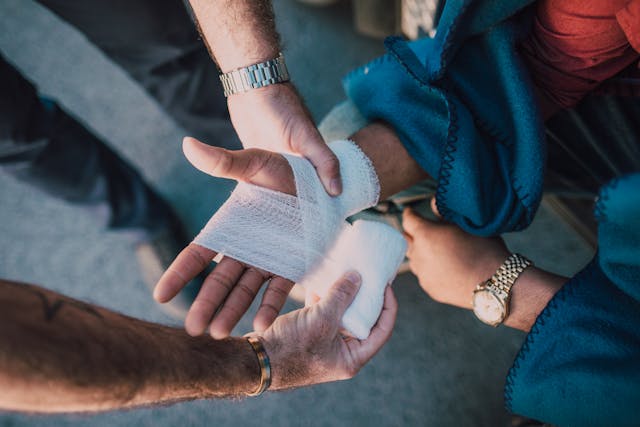
Many people expect physical pain to fade once initial treatment ends, yet recovery after an accident often becomes far more complicated than anticipated. Lingering discomfort can interfere with sleep, concentration, appetite, and emotional balance for weeks or even months after the incident itself. Daily routines that once felt automatic may suddenly require extra effort, especially when mobility limitations or recurring pain affect normal responsibilities. These disruptions can gradually influence overall wellness in ways that are difficult to predict immediately after an injury occurs.
Stress frequently becomes another major factor during the recovery process because injured individuals are often forced to manage medical appointments, financial uncertainty, and insurance communication at the same time. Emotional exhaustion can build when someone struggles to maintain work schedules, household tasks, or family responsibilities while recovering physically. Even relatively common accidents may create lasting physical strain that affects posture, movement, and long-term comfort during ordinary activities. As stated by www.dwaccidentlawyer.com based in Deltona, Florida, personal injury recovery therefore extends beyond visible wounds and often becomes closely connected to a person’s broader physical and mental wellbeing.
Daily Recovery Challenges Can Affect Overall Wellness
Healing after an accident rarely follows a perfectly predictable timeline because every person responds differently to pain, treatment, and physical limitations. Some individuals recover quickly while others continue experiencing stiffness, fatigue, headaches, or interrupted sleep patterns long after medical treatment begins. Emotional stress may also intensify when insurance disputes or missed workdays create additional pressure during recovery. These overlapping difficulties often affect both physical health and emotional stability at the same time.
Many injured individuals also underestimate how much environmental conditions can influence recovery and accident risk in the first place. Heavy commuter traffic, crowded intersections, and distracted driving conditions may increase the likelihood of collisions that later result in lengthy rehabilitation periods. Rush hour traffic across Volusia County regularly creates demanding roadway conditions that leave little time for drivers and pedestrians to react safely. Recovery frequently becomes more demanding when physical pain is combined with financial strain, documentation requirements, and uncertainty surrounding liability disputes.
Mobility Limitations Often Change Everyday Habits
Simple tasks can become unexpectedly difficult after an injury affects movement, balance, or physical endurance. Morning commutes, school pickups, and crowded parking lots around Deltona continue moving at a fast pace even when injured individuals struggle to keep up with ordinary responsibilities. Even carrying household items or standing for extended periods can place additional strain on healing muscles and joints after a serious accident. Over time, these limitations may reduce independence and increase frustration during the recovery process.
Physical discomfort also tends to influence emotional wellbeing because reduced mobility may isolate injured individuals from normal social interaction and recreation. Some people avoid exercise, community gatherings, or family activities because ongoing pain makes participation difficult or exhausting. Nighttime discomfort can further affect recovery when interrupted sleep reduces energy levels and limits the body’s ability to heal effectively. Personal injury cases often involve these long-term lifestyle disruptions because injuries frequently affect far more than immediate physical symptoms alone.
Emotional Strain Can Continue After Physical Treatment Ends
Emotional recovery sometimes progresses more slowly than physical healing because stress can remain present long after visible injuries improve. Residential streets near Deltona Lakes often become part of a person’s regular driving routine again after an accident, yet many injured individuals continue experiencing anxiety while approaching intersections or heavier traffic conditions. Fear of another collision can affect concentration, confidence, and overall comfort during ordinary activities. These emotional reactions are common among individuals adjusting to life after a painful or disruptive incident.
Financial uncertainty may create additional pressure when medical bills, rehabilitation costs, or missed wages begin affecting long-term stability. Insurance communication can become frustrating when injured individuals are simultaneously attempting to manage treatment schedules and physical recovery. Medical documentation, therapy records, and physician evaluations often become important because they help demonstrate how an injury continues affecting daily health and mobility. Legal representation may therefore become necessary when disputes arise regarding liability, compensation, or ongoing recovery needs connected to a personal injury claim.
Traffic Conditions and Recovery Demands Often Overlap
Road conditions and traffic patterns can contribute significantly to the circumstances surrounding many accidents and their aftermath. Traffic congestion along the Enterprise Road corridor regularly intensifies during morning and evening rush hour periods when drivers attempt to merge through crowded commuter routes. Busy roadway environments may leave little reaction time for motorists, passengers, or pedestrians attempting to avoid sudden hazards. When collisions occur under these conditions, injured individuals often face both immediate medical concerns and extended recovery challenges afterward.
Recovery may also become more complicated when physical injuries interfere with work responsibilities or regular movement throughout the day. Some people continue attending appointments, therapy sessions, and medical evaluations for months while attempting to rebuild normal routines gradually. Lingering neck pain, joint stiffness, headaches, or nerve discomfort can affect productivity and emotional wellbeing long after an accident initially occurred. Personal injury situations often require careful medical documentation because recovery patterns sometimes change slowly over time rather than improving immediately.
Returning to Normal Activities May Take Longer Than Expected
Many injured individuals focus heavily on immediate treatment at first, yet long-term recovery often becomes equally important as time passes. Walking trails and open recreational areas around Thornby Park may eventually become part of a recovery routine again, although physical limitations can still appear unexpectedly during exercise or daily movement. Gradual improvement does not always eliminate discomfort completely because some injuries continue affecting flexibility, endurance, or sleep quality for extended periods. Adjusting to those changes may require both physical rehabilitation and emotional patience.
Support systems frequently play an important role because recovery can become overwhelming without reliable medical guidance and proper documentation. Injured individuals may need assistance managing appointments, insurance communication, rehabilitation schedules, and ongoing treatment recommendations throughout the healing process. Personal injury recovery therefore involves much more than temporary discomfort because accidents can reshape everyday routines, emotional stability, and long-term wellness in lasting ways. Recognizing those broader effects may help injured individuals make informed decisions about their health, recovery priorities, and legal options after a serious incident.