
In the high-stakes world of early-stage drug development, there is a constant tension between the desire for speed and the non-negotiable requirement for safety. We see this play out every week in the headlines: new compounds entering human trials, researchers searching for the right dosage, and sponsors holding their breath for the next set of data. But as the industry leans harder into digital solutions and remote monitoring, we are discovering that some of the most critical safety features are not found in the cloud. They are found in the physical proximity of the lab to the patient.
The Power of Onsite Bioanalytics
When you are running a dose-escalation study, the most valuable currency you have is time. You need to know exactly how a drug is moving through a volunteer’s system (the pharmacokinetics, or PK data) before you can safely decide whether to increase the dose for the next group. In many traditional setups, those blood samples are boxed up and shipped to a distant laboratory. You wait for the courier, you wait for the processing, and you wait for the report. Every hour spent waiting is an hour where the study is stalled and the “operational risk” of a delay grows.
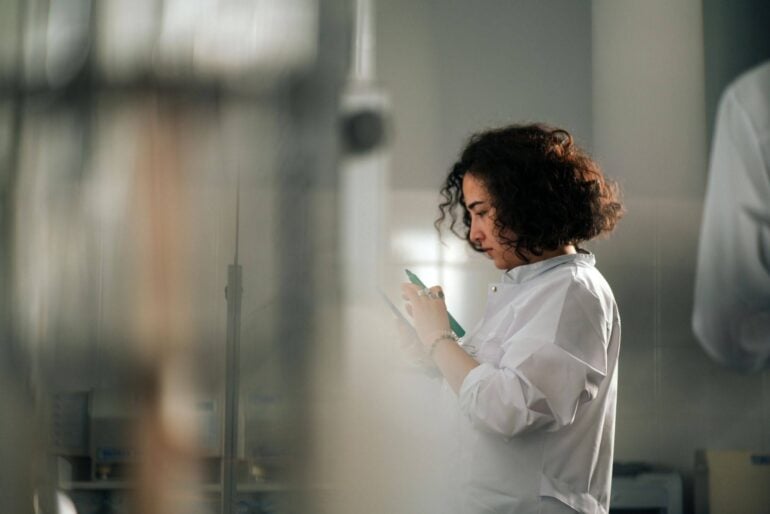
This is why having an onsite bioanalytical laboratory is a complete game-changer. At AXIS Clinicals, a US based Clinical testing company, this isn’t just a convenience; it’s a core strategic pillar. When the lab is just down the hall from the clinical unit, the samples are processed almost as soon as they are drawn. This proximity allows for a quick review of PK data that directly informs the next dosage decision. It turns what used to be a multi-day waiting game into a streamlined, real-time conversation. Think about this: when a leader talks about scientific agility, he’s talking about this—the ability to act on fresh, high-quality data without the friction of a long-distance logistics chain.
Writing the Roadmap to Success
We often focus so much on the clinic and the lab that we forget about the “connective tissue” of a trial: the documentation. A clinical trial starts and ends with writing. If the protocol is poorly designed, the data will be flawed. If the Clinical Study Report (CSR) is delayed or disorganized, the regulatory submission will stall.
There is a massive advantage in working with a team that provides efficient medical writing services integrated directly into the clinical process. When the writers are in the same ecosystem as the scientists and the project managers, the protocol development becomes much more fluid. They aren’t just filling out templates; they are documenting the actual science as it happens. This leads to CSR production that is not only faster but more accurate, because the people writing the story are the same ones who lived through the study.
The Digital Heart of the Clinic
While I’ve argued for the importance of physical proximity, that doesn’t mean we should ignore the digital tools that make it all work. The secret is in how those tools are integrated into the physical workflow. A modern eSource/EDC system—like the ClinSpark® platform does more than just record numbers. It allows for the production of Case Report Forms (CRFs) that are clean, consistent, and ready for regulatory scrutiny.
This digital integration means that as soon as a nurse records a vital sign or a lab tech logs a result, that data is synchronized and audit-ready. It removes the old-school risk of transcription errors and ensures data ready for submission, we all talk about is actually being built in real-time, one entry at a time.
A Return to Integrated Science
Ultimately, the future of the industry is not about choosing between physical infrastructure and digital innovation. It is about bringing them together under one roof. When you have a massive Phase 1 unit, an onsite bioanalytical lab, and an integrated digital system, you create an environment where science can move at its own speed, unhindered by logistical chokepoints.
Managing the complexity of modern medicine requires us to be agile, transparent, and scientifically driven in everything we do. It means having the right experts, like John Pottier and the team at AXIS, overseeing a process where every lab result, every medical report, and every digital entry is a step toward a safer, faster discovery. In the end, the best way to move forward is to make sure that the people, the tools, and the data are all standing in the same room.