
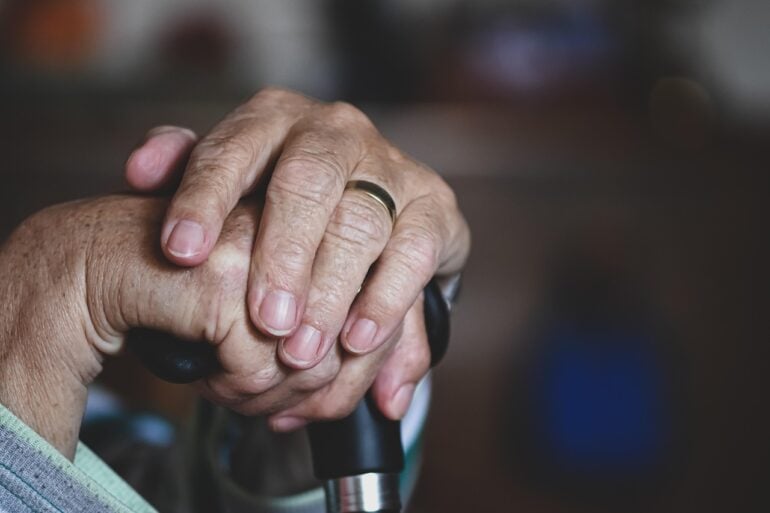
A new nationwide analysis from High Rise Financial of U.S. nursing home data reveals deeply troubling patterns of elder abuse, neglect, and substandard care in long-term care facilities, with certain states consistently reporting dramatically higher rates of violations than others. With nearly 15% of the U.S. population now over age 65, a number that continues to grow, these findings underscore an urgent national crisis affecting millions of the country’s most vulnerable residents.
According to the study, 1 in 10 Americans aged 65 and older experiences abuse each year, and 16% of nursing home residents report abuse while under supervised care. Because many victims are afraid, unable, or discouraged from reporting mistreatment, the true figures are likely far higher. The report also confirms stark gender disparities: women are significantly more likely than men to experience elder abuse, particularly in assisted living and skilled nursing facilities.
Physical Abuse, Neglect, and Emotional Harm Dominate Complaint Data
The analysis of long-term care facility complaints reveals that physical abuse accounts for 38% of all nursing home abuse reports, including hitting, rough handling, and improper restraint. Gross neglect, responsible for 24% of complaints, includes failing to provide necessary food, hygiene, or medical care, incidents that can lead to infections, bedsores, and hospitalization.
Psychological abuse appears in 16% of complaints, often involving verbal threats, humiliation, or intentional isolation. Financial exploitation accounts for 14%, ranging from theft to manipulation of bank accounts, while sexual abuse, though 8% of total cases, represents some of the most disturbing and violent instances of elder mistreatment.
Combined, these numbers reflect not isolated misconduct but systemic failures across U.S. nursing homes, cutting across multiple care, supervision, and safety categories.
The Worst States for Nursing Home Abuse
The report identifies the 10 states with the highest number of verified nursing home abuse citations:
-
California – 3,251 citations
-
Illinois – 2,875
-
Texas – 2,091
-
Ohio – 1,780
-
Missouri – 1,351
-
Pennsylvania – 1,310
-
New York – 1,101
-
Michigan – 1,058
-
Wisconsin – 974
-
Maryland – 744
Just three states—California, Illinois, and Texas—account for more confirmed abuse citations than the rest of the top ten states combined, suggesting widespread oversight gaps and persistent quality-of-care failures.
The States With the Lowest Nursing Home Abuse Citations
At the other end of the spectrum, Alaska ranks lowest with only 12 citations, followed by New Hampshire (58), North Dakota (59), Vermont (61), and Hawaii (64). While these numbers appear encouraging, experts caution that they may reflect smaller populations, fewer facilities, weaker reporting systems, or inconsistent inspection standards—not necessarily better care.
The Most Common Nursing Home Safety Failures
Across the United States, more than 94,000 health citations were issued in 2023 alone. The top 10 most frequent deficiencies reveal recurring patterns in care failures:
-
Poor infection control (22,918 citations)
-
Inadequate resident supervision and unsafe conditions (20,807)
-
Improper food handling and storage (19,595)
-
Medication mismanagement
-
Lack of basic hygiene support
-
Incomplete medical-care plans
Combined, these categories account for 144,542 deficiencies, far surpassing the number of facilities—showing many homes violate multiple regulations simultaneously.
A National Call for Accountability
Elder abuse is both widespread and preventable. The study emphasizes the urgent need for:
-
Stronger staffing standards
-
Mandatory transparency and reporting
-
More frequent inspections
-
Increased federal and state oversight
-
Legal protection for residents and families
-
Higher penalties for chronic offenders
As America’s elderly population rapidly expands, the importance of protecting seniors has never been greater.
At High Rise Financial, we believe every elderly resident deserves safety, dignity, and proper medical care. When nursing home negligence harms someone you love, legal action can help hold the facility accountable and secure compensation for the damage done.