
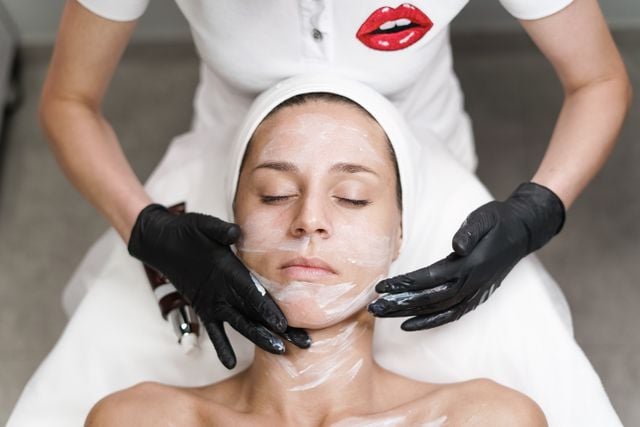
What is Advanced Skin Care and How Does It Differ?
For many, skin care once meant simple cleansing and moisturizing. However, our understanding of skin health has evolved significantly. We now recognize skin as a complex, dynamic organ. It requires sophisticated, science-backed care to maintain its health and vitality.
This evolution has given rise to “advanced skin care.” It moves beyond surface-level aesthetics. Instead, it focuses on deep cellular health, barrier repair, and proactive aging strategies. We are now leveraging scientific innovations to achieve lasting results.
In this extensive guide, we will explore the cutting-edge developments in modern dermatology. We will define advanced skin care and show how it differs from traditional methods. We’ll uncover the most effective treatments and technologies available today. We will also delve into key ingredients like cupuaçu butter, retinoids, and ceramides. These play a vital role in addressing specific concerns, including aging and pigmentation, acne, and barrier repair. For those seeking truly transformative and Regenerative advanced skin care solutions, understanding these innovations is crucial. Finally, we will provide guidance on integrating these powerful tools into your daily routine for optimal skin health.


At its core, advanced skin care represents a paradigm shift from traditional cosmetic approaches. Where conventional skin care often focuses on superficial improvements—cleansing, moisturizing, and temporary hydration—advanced methodologies delve into the intricate cellular biology of the skin. This distinction is crucial for understanding why some products and treatments yield truly transformative, long-lasting results, while others offer only fleeting benefits.
Traditional cosmetics typically address the outermost layer of the skin, the stratum corneum, primarily through hydration and protection. While essential, this approach often overlooks deeper cellular functions, genetic predispositions, and environmental stressors that contribute to aging and skin concerns. Advanced skin care, by contrast, targets cellular processes, aiming to optimize skin function, repair damage, and stimulate rejuvenation from within. It’s about understanding the skin as a dynamic organ, not just a surface.
Here’s a comparison to illustrate the differences:
Feature Traditional Skin Care Advanced Skin Care Focus Surface-level hydration, basic cleansing, temporary relief Cellular repair, barrier strengthening, anti-aging at source, long-term health Ingredients Emollients, humectants, basic antioxidants Peptides, growth factors, retinoids, ceramides, specialized antioxidants, exosomes Mechanism Hydrates and protects the skin’s surface Stimulates collagen, repairs DNA, modulates inflammation, optimizes cellular function Approach Reactive, cosmetic Proactive, therapeutic, often medical-grade Results Temporary cosmetic enhancement Sustained physiological improvement, visible transformation Cellular Mechanisms and Barrier Repair.
A cornerstone of advanced skin care is its emphasis on understanding and supporting the skin’s natural cellular mechanisms, particularly barrier function. The skin barrier acts as our body’s first line of defense against environmental aggressors, preventing moisture loss and blocking irritants. When this barrier is compromised, it leads to issues like transepidermal water loss (TEWL), dryness, sensitivity, and increased susceptibility to damage.
Advanced skin care actively works to repair and reinforce this barrier. Ingredients and treatments are selected for their ability to:
- Reduce TEWL: By replenishing essential lipids and strengthening the skin’s natural moisture-retaining capabilities.
- Combat Glycation: This process, where sugar molecules bind to proteins like collagen and elastin, leads to advanced glycation end-products (A.G.E.s) that stiffen tissues and accelerate aging. Products like SkinCeuticals A.G.E. Interrupter Advanced are specifically formulated to target this. Clinical studies show that A.G.E. Interrupter Advanced can significantly improve attributes associated with skin aging and glycation, including a 14% reduction in global fine lines, an 11.5% reduction in forehead wrinkles, and an 11% reduction in nasolabial folds after 12 weeks. This demonstrates a direct impact on collagen degradation and skin density.
- Promote Cellular Turnover: Gentle exfoliation and cell-communicating ingredients encourage the shedding of old, damaged cells and the generation of new, healthy ones.
- Mitigate Environmental Damage: Antioxidants and anti-inflammatory agents protect against free radical damage and reduce inflammation that can lead to premature aging.
Understanding and addressing these cellular mechanisms is key to achieving true skin health and reversing the visible signs of damage. For more insights into daily habits that can impact your skin’s health, consider reading about 5 Habits That Damage Your Skin.
High-Performance Ingredients in Advanced Skin Care
The efficacy of advanced skin care lies in its carefully selected, high-performance ingredients. These are often backed by extensive scientific research and clinical trials, demonstrating their ability to elicit specific physiological changes in the skin.
- Cupuaçu Butter: A standout ingredient, particularly for barrier repair and intense hydration. This Amazonian super-fruit butter can absorb 440% of its weight in water, making it a superior emollient. Its rich phytosterol and polyphenol content also provides antioxidant and anti-inflammatory benefits. A remarkable study in a 127-bed long-term care facility demonstrated the power of an advanced skin care regimen incorporating cupuaçu butter, showing an 86% decrease in xerosis (extreme dryness), a 55% decrease in skin tears, and a 45% decrease in physician-ordered treatment for denuded skin. This highlights its profound impact on skin health and resilience.
- Retinoids (including Retinol and Bakuchiol): Derivatives of Vitamin A, retinoids are gold-standard ingredients for anti-aging and acne treatment. They accelerate cellular turnover, stimulate collagen production, and improve skin texture and tone. Products like MZ Skin’s Advanced Retinol Complex Serum often combine different forms of retinoids with soothing ingredients to maximize efficacy while minimizing irritation. Bakuchiol, a plant-derived alternative, offers similar benefits without the typical sensitivity associated with traditional retinoids, making it suitable for a wider range of skin types.
- Ceramides: These are essential lipids that make up a significant portion of the skin barrier. Replenishing ceramides helps to restore the barrier’s integrity, reducing TEWL and protecting against environmental aggressors.
- Tranexamic Acid and Niacinamide: These powerful ingredients are vital for addressing pigmentation concerns. Tranexamic acid helps reduce the appearance of dark spots, particularly those caused by sun exposure and inflammation, by inhibiting melanin production. Niacinamide (Vitamin B3) further targets unwanted pigmentation, improves skin hydration, and strengthens the skin barrier. ISDINCEUTICS Melaclear Advanced Dark Spot Corrector is an example of a product leveraging these ingredients, showing impressive results such as a 63% decrease in facial hyperpigmentation and a 79% improvement in luminosity after just 3 months. For a deeper dive into managing pigmentation, explore resources on treating dark spots and Hyperpigmentation.
Next-Generation Clinical Treatments and Technologies
Beyond topical applications, advanced skin care encompasses a suite of sophisticated clinical treatments and technologies that deliver profound, lasting results. These procedures, often performed in a medical spa or dermatology clinic, leverage cutting-edge science to address a wide range of concerns, from deep wrinkles and laxity to stubborn pigmentation and textural irregularities. The emphasis in these treatments is on clinical efficacy, patient safety, and non-surgical rejuvenation, minimizing downtime while maximizing impact.
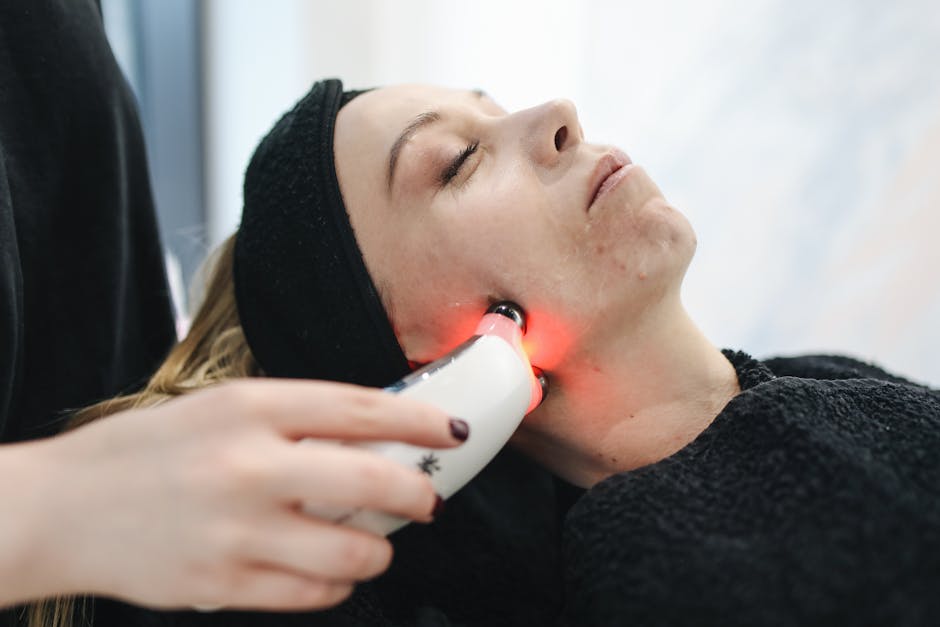
Energy-Based Devices and Collagen Remodeling
Many of the most effective advanced treatments utilize various forms of energy to stimulate the skin’s natural healing and regenerative processes, particularly collagen remodeling.
- Radiofrequency (RF) Microneedling: This innovative treatment combines traditional microneedling with radiofrequency energy. Tiny needles create controlled micro-injuries in the skin, which trigger the body’s natural wound-healing response and collagen production. Simultaneously, RF energy is delivered deep into the dermis, heating the tissue and further stimulating collagen and elastin synthesis. This dual action leads to significant improvements in skin texture, firmness, fine lines, wrinkles, and even acne scars. Technologies like Potenza RF Microneedling exemplify this approach, offering customizable treatments for various skin concerns and depths.
- Laser Resurfacing: Lasers use focused light energy to remove damaged skin layers or stimulate collagen production.
- Ablative lasers (e.g., CO2, Er: YAG) remove the outer layers of the skin, providing dramatic results for severe wrinkles and scars but requiring significant downtime.
- Non-ablative lasers (e.g., PicoSure Pro) heat underlying skin tissue without damaging the surface, stimulating collagen with less downtime. PicoSure Pro, for instance, is highly effective for pigmentation, skin revitalization, and even tattoo removal, offering a gentler yet powerful approach.
- Ultherapy: This non-invasive procedure uses focused ultrasound energy to lift and tighten loose skin on the face, neck, and décolletage. Ultherapy targets the foundational layers of tissue, stimulating new collagen growth deep within the skin without surgery or downtime, making it an excellent option for addressing skin laxity and achieving a natural-looking lift.
These energy-based treatments are often chosen for their ability to deliver significant improvements in skin quality, tone, and firmness by harnessing the body’s innate regenerative capacity.
Regenerative Medicine and Advanced Skin Care Protocols
The forefront of advanced skin care increasingly integrates principles of regenerative medicine. This field focuses on harnessing the body’s own healing and growth factors to repair and rejuvenate tissues. In dermatology, this translates to treatments that encourage cellular repair, reduce inflammation, and promote the growth of new, healthy skin cells.
- Exosomes and Mesenchymal Stem Cells: These are at the cutting edge of regenerative aesthetics. Exosomes are tiny vesicles released by stem cells that carry growth factors, proteins, and genetic material, enabling them to communicate with and “re-educate” other cells. When applied topically or delivered via microneedling, exosomes can significantly enhance skin repair, reduce inflammation, and stimulate collagen production, thereby improving texture, tone, and elasticity. Mesenchymal stem cells themselves or products derived from them offer potent regenerative capabilities, aiding tissue repair and rejuvenation.
- Platelet-Rich Plasma (PRP): Derived from a patient’s own blood, PRP is rich in growth factors that stimulate collagen production, accelerate healing, and improve overall skin quality. It’s often used in conjunction with microneedling or injected directly into the skin to address concerns like fine lines, wrinkles, and hair loss.
These regenerative approaches represent a significant leap forward in our ability not just to treat the symptoms of aging or damage, but to restore the skin’s youthful function and appearance fundamentally. For those interested in the transformative potential of these therapies, further exploration into How Stem Cell Therapy is Transforming Skin Care is highly recommended.
Integrating Professional Procedures with Daily Routines
Achieving optimal and sustainable results in advanced skin care is rarely about a single treatment or product. Instead, it’s about a synergistic approach that seamlessly integrates professional procedures with a meticulously curated daily routine. This personalized strategy considers individual skin types, ages, lifestyles, and environmental stressors, ensuring that every step contributes to the overarching goal of long-term skin health and rejuvenation.
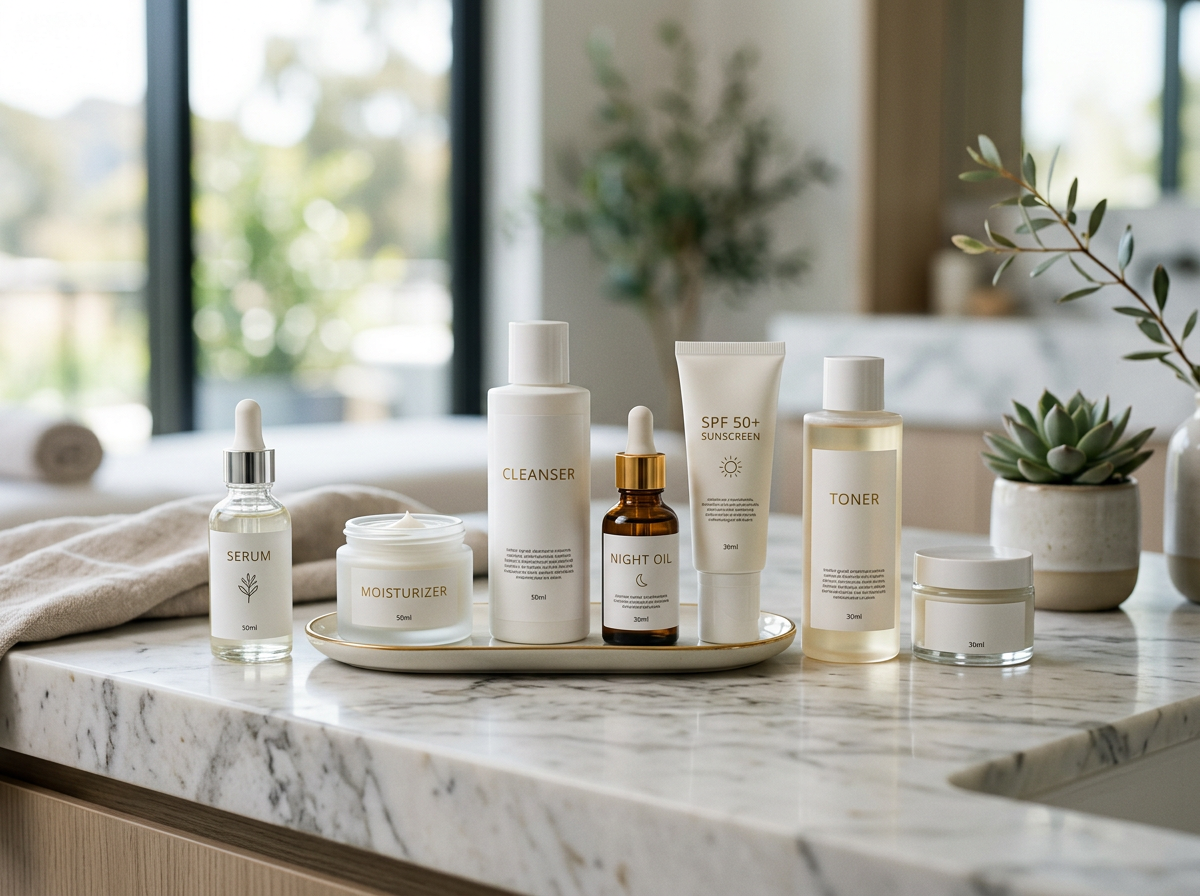
Maximizing Results with Medical-Grade Topicals
Medical-grade skincare products are formulated with higher concentrations of active ingredients and often utilize advanced delivery systems to ensure deeper penetration and greater efficacy than over-the-counter alternatives. These products are typically available through licensed professionals, who can guide clients on their appropriate use.
- Biomimetic Actives: These ingredients mimic the skin’s natural biological processes, enhancing its ability to repair and regenerate. Examples include specific peptides that signal cells to produce more collagen or growth factors that accelerate healing.
- pH Balance: Maintaining the skin’s optimal pH (around 4.5-5.5) is crucial for barrier health and enzyme function. Advanced formulations are often pH-balanced to support this delicate equilibrium, helping prevent irritation and promote a healthy microbiome.
- Waterless Formulations: Some cutting-edge products, like PURANA SKINCARE’s Eternal Youth Advanced Rejuvenation Concentrate, opt for waterless formulations. By replacing water (often a filler in traditional products) with nutrient-dense botanical extracts or active ingredients, these concentrates deliver a higher potency and more targeted benefits. Eternal Youth, for example, boasts 25 advanced biomimetic actives and is clinically proven to boost collagen and elastin synthesis by 32%, aiming to replace multiple steps in a traditional routine.
- Professional Facials and Peels: Complementing at-home medical-grade products, professional treatments like Medical Grade Facials or chemical peels can deeply cleanse, exfoliate, and infuse the skin with powerful actives, helping it better absorb daily topicals and enhancing overall results.
The Role of Oral Supplements in Skin Longevity
Advanced skin care isn’t confined to topical applications or in-office procedures; it also recognizes the profound impact of internal health on skin appearance. Oral supplements, when scientifically formulated, can address foundational aspects of skin aging from within.
- Bioactive Collagen Peptides: Collagen is the most abundant protein in the skin, responsible for its structure and elasticity. As we age, collagen production declines. Supplementing with specific bioactive collagen peptides, such as VERISOL, has been clinically shown to improve skin elasticity and reduce wrinkles. For instance, a randomized controlled trial with 114 women demonstrated a 20% reduction in eye wrinkle volume at 8 weeks versus placebo with 2.5g of VERISOL.
- Wheat Lipid Ceramides: As discussed earlier, ceramides are vital for the skin barrier. Oral supplementation with ceramosides wheat lipid ceramide complex can significantly improve skin moisturization from within. A study with 60 subjects showed a 16%+ improvement in skin moisturization versus placebo at day 15 with 30mg of Ceramosides.
- Astaxanthin: A powerful antioxidant, astaxanthin protects skin cells from oxidative stress caused by UV radiation and pollution, contributing to improved skin tone and elasticity.
- Mitochondrial Function Support: Mitochondria are the “powerhouses” of our cells. Supporting their function with ingredients like niacinamide (a precursor of NAD+) can improve cellular energy production and repair processes, which are vital for skin longevity. Products like ATIKA’s Advanced Skin Nutrition Supplement are designed to target multiple biological pathways of skin aging, combining these and other ingredients for a comprehensive internal approach.
By addressing skin health from both external and internal perspectives, we can achieve more holistic and enduring improvements.
Frequently Asked Questions about Advanced Skin Care
As the field of advanced skin care continues to evolve, clients often have insightful questions regarding clinical outcomes, treatment safety, and realistic patient expectations. We aim to provide clarity on some common inquiries.
How long does it take to see results from advanced treatments?
The timeline for visible results from advanced skin care treatments varies significantly depending on the specific treatment, the individual’s skin condition, and their body’s natural cellular turnover cycle. For topical products, initial improvements in texture or hydration might be noticed within days or weeks. However, significant changes, especially those involving collagen remodeling or pigmentation correction, often take longer.
Many clinical studies use 12-week benchmarks because this period typically allows for several cycles of cellular turnover, providing enough time for the skin to respond and regenerate. For example, the statistics shared earlier regarding A.G.E. Interrupter Advanced and Melaclear Advanced both highlight results observed after 12 weeks (3 months). For professional procedures like RF microneedling or laser treatments, while some immediate improvements might be seen, the most dramatic and lasting benefits often appear several weeks to months post-treatment as new collagen is gradually produced. Consistency and patience are key, as advanced skin care is about cumulative benefits and long-term skin health.
Can advanced skin care be combined with other wellness therapies?
Absolutely. The trend in modern aesthetics is moving towards a holistic approach, recognizing that skin health is intrinsically linked to overall well-being. Combining advanced skin care with other wellness therapies can amplify results and promote systemic health.
- Intravenous (IV) Therapy: IV drips containing vitamins, minerals, and antioxidants like glutathione can deliver these nutrients directly into the bloodstream, bypassing the digestive system for maximum absorption. This can significantly boost systemic antioxidants, support detoxification, and improve skin radiance from within. For example, IV glutathione is often used for its skin brightening and anti-aging properties.
- Systemic Antioxidants: Beyond IV therapy, oral antioxidant supplements (as discussed in the previous section) work synergistically with topical treatments to protect the skin from environmental damage and reduce inflammation.
- Holistic Wellness Practices: Incorporating practices like stress reduction, adequate sleep, a balanced diet, and regular exercise further supports skin health by improving circulation, reducing cortisol levels, and enhancing cellular repair.
This integrated approach acknowledges that healthy, radiant skin reflects a healthy body and mind.
What should clients look for in a high-end clinical provider?
For discerning clients seeking the pinnacle of advanced skin care, choosing the right clinic or provider is paramount. This decision extends beyond the treatments offered; it encompasses expertise, philosophy, and patient experience.
- Medical Oversight and Expertise: Look for clinics supervised by board-certified dermatologists or plastic surgeons, or those with highly trained, certified aesthetic professionals. This ensures a deep understanding of skin anatomy and physiology, as well as the safe, effective application of advanced technologies. A Board-certified advanced skin care provider will prioritize patient safety and ethical practices.
- Customized Protocols: A one-size-fits-all approach is insufficient for advanced skin care. A reputable provider will offer thorough consultations, perform detailed skin analyses, and develop personalized treatment plans tailored to your unique concerns, skin type, and goals. They should be able to explain the science behind their recommendations and adjust protocols as your skin evolves.
- State-of-the-Art Technology: The clinic should invest in the latest, clinically proven technologies and medical-grade products. This demonstrates a commitment to providing the most effective and safest treatments available.
- Patient Privacy and Comfort: High-net-worth or discerning clients often prioritize discretion and a luxurious, comfortable environment. Look for clinics that offer private consultation rooms, confidential scheduling, and a serene atmosphere where you feel valued and respected.
- Comprehensive Approach: The best providers offer a holistic range of services, integrating injectables, laser therapies, advanced facials, and medical-grade skincare to create a synergistic treatment plan. They should also emphasize ongoing support and follow-up care to ensure optimal, long-lasting results.
Choosing a provider who embodies these qualities ensures not only exceptional results but also a safe, personalized, and rewarding journey towards optimal skin health.
Conclusion
The landscape of skin care has been irrevocably transformed by scientific innovation, moving far beyond basic routines to embrace a sophisticated, cellular-level approach. Advanced skin care is not merely a trend; it represents a commitment to understanding and optimizing the skin’s inherent biology for long-term health and vitality. From high-performance ingredients like cupuaçu butter, retinoids, and ceramides that repair and rejuvenate from within, to cutting-edge clinical treatments such as RF microneedling and regenerative therapies, we now have an unprecedented arsenal to address virtually any skin concern.
The integration of professional procedures with medical-grade topicals and even oral supplements creates a powerful synergy, offering personalized solutions that were once unimaginable. As we look towards June 2026 and beyond, the emphasis will continue to be on proactive aging, cellular resilience, and a holistic approach to beauty that reflects overall well-being. For those ready to invest in the future of their skin, embracing these innovations offers the promise of lasting radiance and health.