
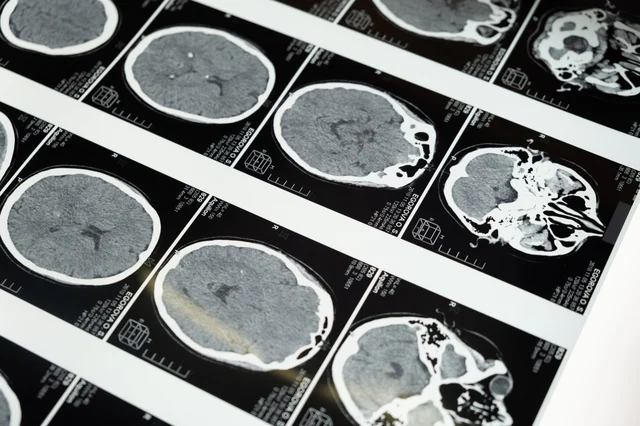
Neurological disorders affecting the brain and blood vessels can lead to serious, life-threatening complications if not diagnosed and treated promptly. Advances in medical technology have transformed the way many neurological conditions are managed, with endovascular surgery emerging as one of the most effective and minimally invasive treatment options available today.
At Liv Hospital, specialists utilize state-of-the-art techniques to diagnose and treat complex neurological conditions through advanced endovascular procedures, helping patients achieve better outcomes with shorter recovery times.
What Is NeurologyEndovascular Surgery?
NeurologyEndovascular Surgery is a specialized field that uses minimally invasive techniques to diagnose and treat disorders affecting the blood vessels of the brain and nervous system. Rather than performing traditional open brain surgery, physicians access the affected area through a small incision, typically in the wrist or groin, and guide thin catheters through the blood vessels to the treatment site. This approach allows specialists to treat complex cerebrovascular conditions with greater precision and reduced surgical trauma.
Conditions Treated with Endovascular Neurosurgery
Endovascular techniques are widely used to manage a variety of neurological and cerebrovascular disorders, including:
Brain Aneurysms
A brain aneurysm occurs when a weakened section of a blood vessel wall balloons outward. If an aneurysm ruptures, it can cause a hemorrhagic stroke and significant brain damage. Endovascular procedures such as coiling and flow diversion can effectively seal the aneurysm and reduce the risk of rupture.
Acute Ischemic Stroke
Stroke caused by a blocked blood vessel in the brain requires immediate treatment. Endovascular thrombectomy allows specialists to remove blood clots directly from the affected artery, restoring blood flow and minimizing neurological damage when performed quickly.
Arteriovenous Malformations (AVMs)
AVMs are abnormal connections between arteries and veins that can increase the risk of bleeding within the brain. Endovascular embolization can be used to block abnormal blood flow and reduce the risk of complications.
Carotid Artery Disease
Narrowing of the carotid arteries can restrict blood flow to the brain and increase stroke risk. Endovascular procedures such as angioplasty and stenting help restore circulation and reduce the likelihood of future neurological events.
Common Endovascular Procedures
Modern neurological endovascular surgery includes several advanced techniques designed to treat specific conditions.
Endovascular Coiling
Coiling involves placing tiny platinum coils inside an aneurysm through a catheter. The coils promote clot formation within the aneurysm, preventing blood from entering and reducing the risk of rupture.
Flow Diversion
Flow diverters are specialized stents placed inside the affected blood vessel. These devices redirect blood flow away from the aneurysm, allowing the vessel wall to heal over time.
Mechanical Thrombectomy
This procedure removes blood clots responsible for ischemic stroke using specialized retrieval devices delivered through a catheter. It has become a critical treatment option for patients experiencing large-vessel occlusion strokes.
Embolization
Embolization uses coils, particles, or other materials to intentionally block abnormal blood vessels, commonly used in the treatment of AVMs and certain vascular tumors.
Benefits of NeurologyEndovascular Surgery
Compared to traditional open neurosurgery, endovascular procedures offer numerous advantages:
- Smaller incisions and minimal tissue disruption
- Reduced risk of complications
- Less postoperative pain
- Shorter hospital stays
- Faster recovery times
- Improved precision through advanced imaging guidance
- Lower blood loss during treatment
These benefits make endovascular surgery an attractive option for many patients, particularly those who may not be ideal candidates for traditional surgical procedures.
What to Expect During Treatment
Before the procedure, patients undergo comprehensive neurological evaluations and advanced imaging studies to identify the exact location and nature of the condition. During treatment, physicians use real-time imaging technology to guide catheters through the vascular system with exceptional accuracy. Most procedures are performed under sedation or general anesthesia, depending on the complexity of the case.
Following treatment, patients are monitored closely to ensure proper recovery and assess the effectiveness of the intervention. Many individuals are able to return to normal activities much sooner than they would after conventional brain surgery.
The Future of Endovascular Neurosurgery
Technological advancements continue to improve the safety and effectiveness of endovascular procedures. Innovations in imaging, catheter design, robotic-assisted navigation, and flow-diverting devices are expanding treatment possibilities for increasingly complex neurological conditions. As research progresses, endovascular surgery is expected to play an even greater role in modern neurological care.
Conclusion
NeurologyEndovascular Surgery represents a major advancement in the treatment of cerebrovascular and neurological disorders. By combining minimally invasive techniques with cutting-edge imaging and device technology, specialists can effectively treat conditions such as aneurysms, stroke, AVMs, and carotid artery disease while minimizing patient recovery time and surgical risk.
Patients seeking expert care can learn more about NeurologyEndovascular Surgery services and advanced neurological treatments available through Liv Hospital.