
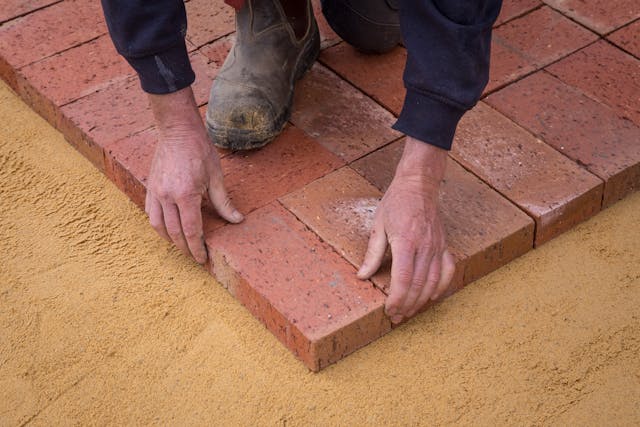
Coastal Florida properties face unique environmental challenges that make paver selection and installation particularly important for long-term satisfaction and value. Salt air, heavy rainfall, intense UV exposure, and occasional storm surge demand careful material choices and proper installation techniques. Homeowners in Nokomis and surrounding coastal communities benefit significantly from understanding these environmental factors before beginning hardscaping projects, ensuring their investment withstands challenging conditions while maintaining beautiful appearance.
Choose Materials Built for Coastal Conditions
Not all pavers withstand Florida’s coastal environment equally despite marketing claims. Concrete pavers with proper density and quality control resist salt corrosion and efflorescence better than porous, bargain alternatives. Brick pavers offer classic aesthetics and proven durability but require quality sealers in coastal areas to prevent surface degradation. Natural stone provides luxury appeal and timeless beauty, though some varieties may deteriorate faster near salt air without proper treatment. Travertine remains popular for pool decks but requires specific installation methods in coastal settings. Consult local experts about materials with proven performance histories in Sarasota County conditions rather than selecting based solely on appearance or initial price.
Proper Base Preparation Prevents Problems
Florida’s sandy, often poorly compacted soil requires robust base preparation to prevent settling, shifting, and uneven surfaces. Quality installers excavate to adequate depth considering intended use and traffic loads, then compact native subgrade thoroughly to specifications. Appropriate base materials—typically crushed stone in varying gradations—create stable foundations that distribute loads and facilitate drainage. Proper edge restraints prevent lateral spreading under foot and vehicle traffic. Cutting corners during preparation, however tempting for budget reasons, inevitably leads to uneven surfaces, weed growth through settling joints, standing water, and premature failure regardless of surface paver quality.
Drainage Design Is Critical
Heavy afternoon thunderstorms common throughout Nokomis summers and tropical weather systems demand thoughtful drainage integration in every paver installation. Pavers should direct water away from structures, prevent pooling that creates slip hazards and mosquito breeding conditions, and accommodate intense rainfall rates. Permeable paver options reduce runoff volume while supporting local water management goals and may qualify for stormwater credits in some jurisdictions. Experienced paver installation Nokomis FL professionals account for these patterns during design, ensuring your hardscaping performs beautifully during dry spells and extreme weather events alike.
Sealing and Maintenance Planning
Coastal pavers benefit significantly from periodic sealing to protect against salt deposition, organic stains, and UV fading that occurs rapidly in Florida’s intense sun. Establish realistic maintenance schedules including regular cleaning, joint sand replenishment as needed, and resealing every 2-4 years depending on exposure and traffic. This proactive approach extends paver lifespan, maintains consistent appearance, and prevents costly restoration projects. Budget for these maintenance activities when planning your installation rather than neglecting surfaces until major problems develop.
Consider Color and Heat Retention
Florida’s intense sun makes paver color selection more than an aesthetic choice. Dark-colored pavers absorb significant heat, becoming uncomfortable for bare feet around pools and patios during peak summer months. Lighter colors and earth tones reflect more heat while complementing coastal architectural styles. Some manufacturers offer specialized surface treatments that reduce heat absorption without limiting color options. Discuss these practical considerations with your installer alongside design preferences to ensure comfort and safety.
Conclusion
Successful coastal paver projects combine quality materials appropriate for marine environments, expert installation following established engineering practices, and ongoing maintenance commitment. Partnering with professionals who understand local coastal conditions ensures your hardscaping investment enhances your property’s beauty and functionality for decades rather than requiring premature replacement.