
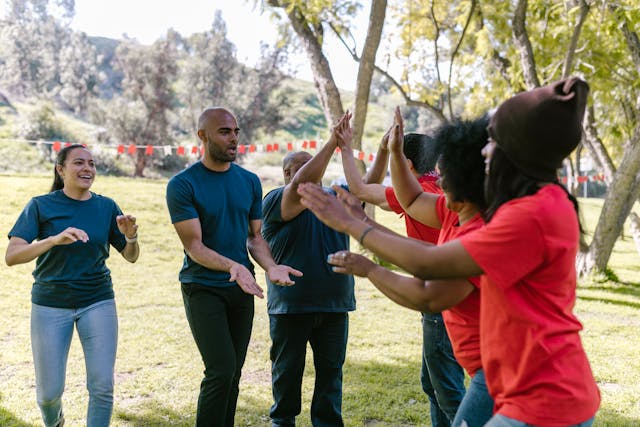
In the quest to enhance collaboration within teams, organizations often face the choice between Corporate Social Responsibility (CSR) team building and traditional team activities. Each approach offers distinct benefits and can significantly impact team dynamics and engagement. To make an informed decision, it’s important to understand how these strategies differ and what unique advantages they bring to the table. This article will explore how CSR initiatives can act as a catalyst for team collaboration, compare them to conventional team activities, analyze their impact on team dynamics, and guide you in choosing the right approach for your organization.
Corporate Social Responsibility as a Catalyst for Team Collaboration
Corporate Social Responsibility Team Building activities focus on uniting teams around a common purpose that transcends business objectives. These initiatives often involve projects that benefit the community or environment, fostering a sense of shared responsibility and commitment among team members. Engaging in Corporate Social Responsibility Team Building activities can enhance collaboration by providing a meaningful context for teamwork, allowing employees to connect on deeper values and social goals.
For instance, a team engaged in a local environmental cleanup project might develop stronger bonds as they work towards a collective goal. This sense of shared purpose can lead to improved communication and teamwork in the workplace. According to a recent study published by ResearchGate, teams involved in CSR projects reported higher levels of engagement and mutual trust.
Moreover, the alignment of CSR activities with organizational values can strengthen the overall corporate culture. When employees see their company actively participating in socially responsible projects, it often translates into increased loyalty and morale, further enhancing collaboration.
Traditional Team Activities: Connecting Through Conventional Methods
Traditional team-building activities, such as workshops, retreats, and group exercises, have long been used to foster collaboration. These activities aim to improve communication, problem-solving, and cooperation among team members through structured interactions and shared experiences. While they may lack the broader societal impact of CSR initiatives, they are effective in building interpersonal relationships and enhancing team cohesion.
Activities like trust exercises or role-playing can help break down barriers and promote understanding among team members. These conventional methods often focus on improving specific skills or competencies, such as leadership or conflict resolution, which are crucial for effective teamwork.
However, traditional activities may not always resonate with employees on a personal level. For example, a workshop conducted without considering the unique dynamics of a team might fail to engage participants fully. Therefore, it’s essential to tailor these activities to the specific needs and interests of the team to maximize their impact.
Measuring the Impact of CSR on Team Dynamics and Engagement
Evaluating the effectiveness of CSR team-building activities involves examining their impact on team dynamics and overall engagement. Metrics such as employee satisfaction, retention rates, and productivity can provide insights into how these initiatives influence collaboration. A well-implemented CSR program can lead to measurable improvements in these areas, indicating a positive effect on team spirit.
For example, organizations that integrate CSR into their HCM Software (Human Capital Management Software) often see enhanced employee engagement. This integration allows companies to track the progress and outcomes of CSR activities, offering valuable data on their impact on team dynamics. Furthermore, SOC 2 Audit compliance ensures that data related to employee participation in CSR activities is secure and reliable.
Recent surveys, such as one conducted by Deloitte, reveal that employees involved in CSR initiatives are more likely to report high levels of job satisfaction and a sense of belonging within their teams. These benefits underscore the potential of CSR activities to foster a collaborative work environment.
Choosing the Right Approach for Enhanced Collaboration and Team Spirit
Deciding between CSR team building and traditional team activities requires a careful assessment of your organization’s goals and team dynamics. Consider factors such as the desired outcome, team interests, and available resources. CSR initiatives might be more suitable for companies looking to align team-building efforts with broader organizational values and community impact.
On the other hand, traditional activities could be ideal for teams needing targeted skill enhancement or addressing specific communication barriers. Employing a CRM Workflow Automation system can help in organizing and tracking the effectiveness of these activities, ensuring they meet the intended objectives.
Ultimately, the choice between CSR and traditional team-building activities should reflect the unique needs and priorities of your organization. By understanding the strengths of each approach, you can select the most effective strategy for fostering collaboration and strengthening team spirit.
Conclusion
Both CSR team building and traditional team activities offer valuable pathways to enhancing collaboration within teams. While CSR initiatives connect employees through shared societal goals, traditional activities focus on skill development and interpersonal relationships. Organizations can benefit from integrating both approaches, aligning team-building efforts with their values and objectives. By choosing the right strategy, companies can cultivate a collaborative and engaged workforce, driving success and growth.