
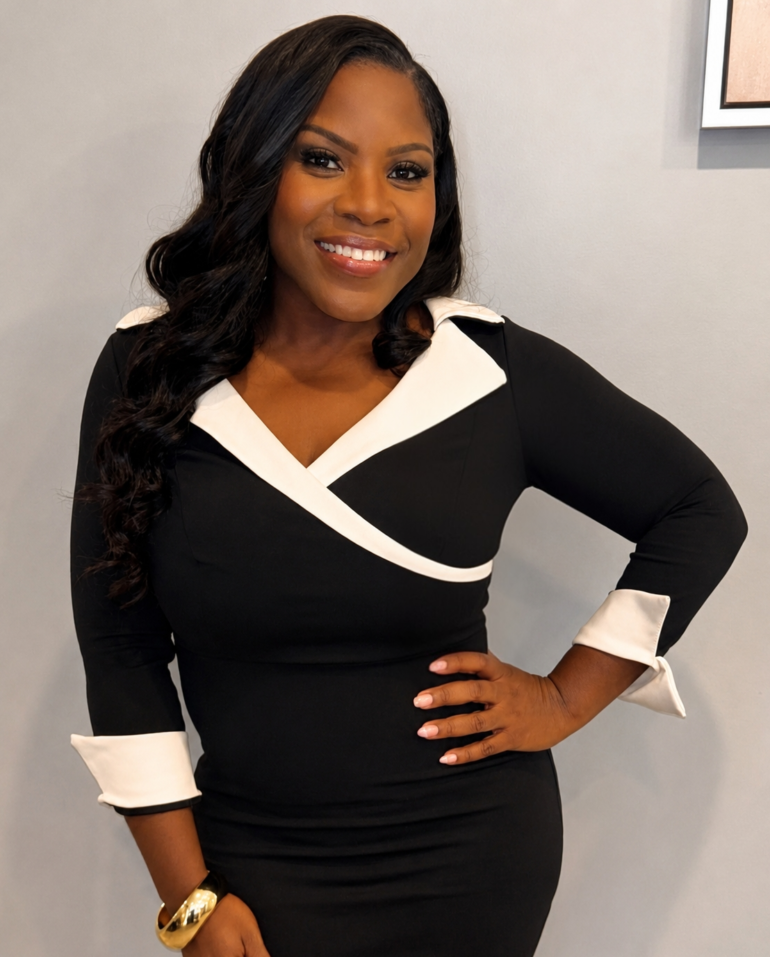
The production team of The Real Housewives of New Jersey reached out to Cherry Blossom Healing seeking culturally competent care for complex family, cultural, and relational dynamics. For Jhiree Jones, the founder of this Bergen County mental health practice, that inquiry validated something she had known all along. People weren’t just looking for therapy. They were searching for someone who understood their world, their language, and their culture.
That moment became the story Jhiree tells everywhere now. Not because it’s glamorous, but because it’s proof. Proof that culturally competent care isn’t a nice-to-have feature—it’s what people are actively seeking out. “Most practices can’t offer that. I built mine specifically so we could.” The inquiry wasn’t about celebrity status. It was about a community seeking representation in a field that often feels sterile and disconnected.
Building a Practice That Actually Sees People
Jhiree Jones didn’t build Cherry Blossom Healing by accident. As a licensed therapist, National Board Certified Counselor, and school counselor, she saw firsthand what happens when young people don’t have access to care that fits. By day, she works inside a school system, witnessing students who are more willing than any previous generation to ask for help. By design, she created Cherry Blossom Healing as the place they could turn to when they were finally ready. But unlike most practices, she didn’t just hang a shingle and hope for the best.
She recruited specialists. Someone who speaks Spanish. A Muslim therapist and first generation Guinean-American who speaks English and Mandingo. Culturally competent clinicians who bring a deep understanding of the communities they serve. Experts in grief, anxiety, depression, and trauma. The model was simple but intentional: match clients to the right therapist, not just whoever has an opening. Before COVID, Cherry Blossom Healing operated across four physical offices. When the pandemic hit, Jhiree didn’t retreat. She adapted. Cherry Blossom Healing currently maintains open offices in Bergen County for clients who prefer in-person sessions, while also expanding reach through virtual care.
Now, over 90% of their client intake flows through Psychology Today profiles. That’s not by chance. Jhiree understands that her ideal clients—young professionals, culturally underserved individuals, adults navigating grief or trauma—are doing their research online. They’re reading bios, looking at photos, and making decisions based on whether they feel seen before they ever pick up the phone.
Why Cultural Competency Isn’t Optional
The gap in mental health care isn’t just about availability. It’s about appropriateness. Jhiree watched as the industry talked about access like it was a solved problem while young people in her school hallways still ended up assigned to whoever had time, not who was right for them. That gap became the foundation of Cherry Blossom Healing’s entire structure.
When you have a Spanish-speaking therapist, you’re not just translating words. You’re creating space for someone whose family might not even believe in therapy to finally try it. When you have clinicians who deeply understand faith, cultural background, and lived experience, you’re acknowledging that these contexts matter in healing. These aren’t marketing angles. They’re the difference between someone staying in therapy and someone disappearing after the first session.
The outreach from The Real Housewives of New Jersey proved the model worked. It showed that even in high-profile communities, people were struggling to find therapists who understood their specific needs. Cherry Blossom Healing didn’t just fill a slot. It became the answer to a question most practices never thought to ask: what if we built this for the people therapy usually leaves behind?
Scaling Without Losing What Makes It Work
Cherry Blossom Healing operates on a principle that sounds counterintuitive in an industry obsessed with growth: quality over scale. Jhiree doesn’t hire a new therapist until every current clinician is fully booked. She doesn’t expand just because she can. Every addition to the team is strategic, deliberate, and designed to serve an unmet need within the practice’s existing client base.
This isn’t stubbornness. It’s sustainability. She knows that her reputation—and her clients’ outcomes—depend on her ability to maintain the standard she set from day one. Every client gets matched, not just assigned. Every intake is thoughtful, not transactional.
That level of care extends to how the practice presents itself publicly. Jhiree has authored her book, My Current Past, hosted a sold-out university self-care conference, and appeared on panels across the mental health space. But she’s never positioned herself as just a solo practitioner. Cherry Blossom Healing is a platform, not a personality brand. It’s a system built to outlast trends and deliver consistent, culturally aware care to the communities that need it most.
Why New Jersey Needs What Cherry Blossom Healing Built
New Jersey sits at the crossroads of diverse communities, high-pressure lifestyles, and a mental health infrastructure that hasn’t always kept pace. Jhiree saw that disconnect and built the bridge. Licensed in New Jersey, she serves clients across a range of communities throughout the state, including urban, suburban, and more rural areas — where virtual care is normalized and where people are finally ready to prioritize their mental health without sacrificing cultural identity in the process.
The practice’s growth hasn’t come from flashy ads or aggressive marketing. It’s come from word of mouth, Psychology Today visibility, and the kind of reputation you can’t buy. When someone searches for a therapist who understands what it’s like to navigate life as a first-generation American, or a young professional spiraling under pressure, or someone grieving a loss they can’t name, Cherry Blossom Healing shows up. And when they arrive, they don’t get shuffled into a waitlist. They get options.
That’s the real differentiator. Most people calling a therapy practice are told, “We have someone available in three weeks.” At Cherry Blossom Healing, the conversation is different: “Tell me what you’re going through, and let’s figure out who on our team is the best fit for you.” That shift in language changes everything.
What Comes Next
Jhiree Jones is not done building. She’s exploring how to take Cherry Blossom Healing’s model national in visibility while keeping the practice grounded in the communities it serves. She’s refining intake systems, documenting what works, and preparing to tell this story on bigger stages—podcasts, television, articles that position her not just as a therapist, but as someone who solved a problem most practitioners don’t even acknowledge.
“My focus is on expanding access and awareness, and shifting the perception of therapy beyond crisis care into support for everyday life—whether someone is navigating stress, change, relationships, or seeking greater clarity and fulfillment.” She’s thinking strategically about momentum, about building credibility that compounds, about making sure that when someone in New Jersey types “therapist who understands me” into Google, Cherry Blossom Healing is the answer they find.
The outreach from The Real Housewives of New Jersey wasn’t a fluke. It was a signal. A sign that the work Jhiree has been doing quietly for years is exactly what people have been searching for all along. And now, she’s ready to make sure they don’t have to search so hard.