
Defining Multi-Generational Dental Care and Its Benefits
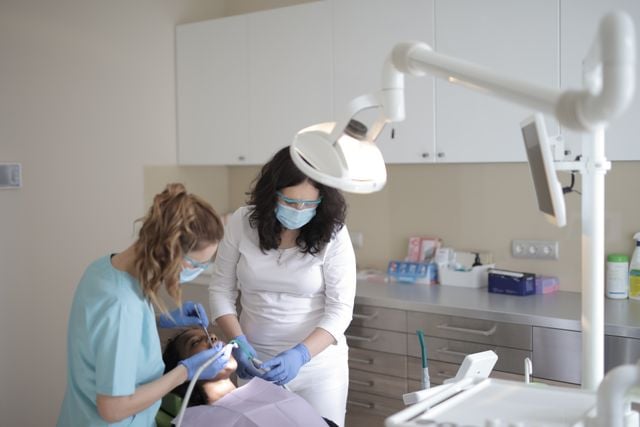
At its heart, family dentistry is about providing comprehensive oral healthcare for individuals of all ages, from infancy through the senior years. Imagine a single dental office equipped to handle the unique developmental stages and changing oral health needs of every member of your household. This concept of a unified “dental home” is not just convenient; it fosters continuity of care, builds trust, and ensures that your family’s oral health journey is guided by a consistent, knowledgeable team. For practices committed to this holistic approach, like those offering Pinnacle personalized family dentistry, the goal is to create a welcoming environment where every patient feels understood and cared for.
How Family Dentistry Differs from General and Pediatric Care
While the terms “general dentistry” and “family dentistry” are often used interchangeably, there’s a subtle but significant distinction. A general dentist primarily focuses on adult oral health, though they may occasionally see children. Pediatric dentistry, on the other hand, is a specialized field dedicated exclusively to the oral health of children from birth through adolescence. Pediatric dentists undergo additional training to address the specific needs of developing mouths and often create highly child-centric environments.
Family dentistry bridges this gap. A family dentist is trained and experienced in treating patients across the entire age spectrum. This means they possess expertise in pediatric care, understanding the nuances of primary teeth, eruption patterns, and early orthodontic needs, while also being proficient in the restorative, cosmetic, and preventive care required for adults and seniors. They are adept at adapting their communication and treatment approaches to suit different age groups, making dental visits less intimidating for young children and more comfortable for older adults. This comprehensive scope is particularly vital given that about 1 in 5 children aged 5 to 11 years have at least one untreated decayed tooth, underscoring the critical need for accessible, age-appropriate care.
Coordinated Care: The Core Advantage of Family Dentistry
The benefits of having one dental office for the entire family extend far beyond convenience. Think about scheduling: instead of juggling appointments at multiple clinics across town, family dentistry allows for coordinated scheduling, often enabling multiple family members to be seen back-to-back or even simultaneously. This significantly reduces time away from work and school, simplifying busy family logistics.
Moreover, a single dental home means all your family’s dental records are centralized. This comprehensive tracking allows the dental team to gain a deep understanding of your family’s genetic predispositions, shared habits, and evolving oral health history. This continuity of care facilitates more personalized and proactive treatment planning, as the dentist can observe trends and intervene early. Building a long-term relationship with a consistent dental team also fosters a sense of comfort and familiarity, especially for children who might otherwise experience anxiety when visiting a new doctor.
Modern Technology and Specialized Treatments in Family Dentistry
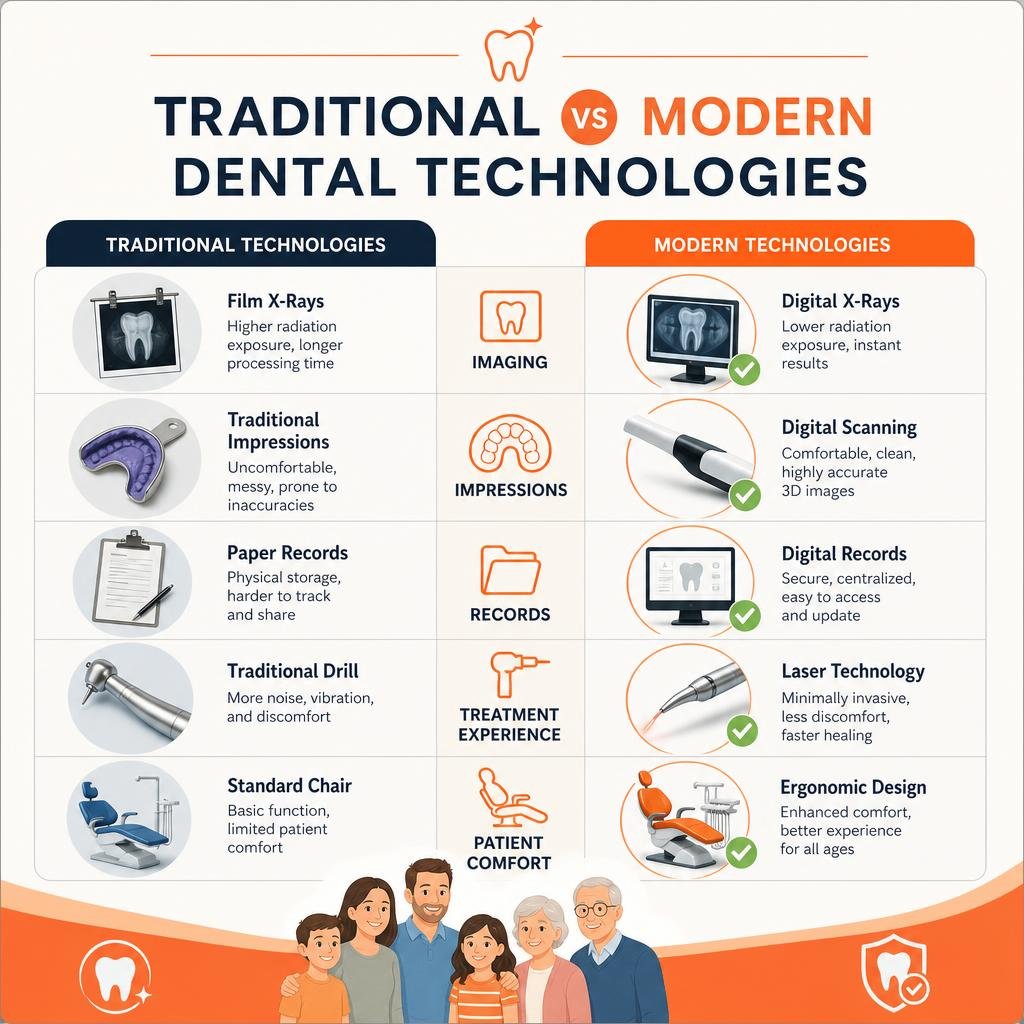
The field of dentistry is constantly evolving, and family dentistry practices are at the forefront of adopting innovations that enhance patient comfort, safety, and treatment outcomes. From digital diagnostics to advanced therapeutic tools, modern technology plays a pivotal role in delivering high-quality, efficient care for every family member.

Advanced dental lasers, for instance, are revolutionizing various procedures, offering less invasive and often more comfortable alternatives to traditional methods. Digital X-rays have become standard, significantly reducing radiation exposure compared to conventional film X-rays while providing clearer, instantly accessible images. Intraoral cameras allow patients to see what the dentist sees, improving understanding and engagement in their own oral health.
Advanced Therapeutic and Restorative Solutions
Family dentists are equipped to provide a wide array of therapeutic and restorative solutions tailored to different age groups and conditions. For adults and seniors, this often includes addressing issues like TMJ (temporomandibular joint) pain, treating canker sores, and managing periodontal (gum) disease. Advanced techniques, including laser therapy, can be employed for these conditions, promoting faster healing and reducing discomfort. When it comes to replacing missing teeth, modern family dentistry offers sophisticated options like endosteal implants, which provide a durable and natural-looking solution.
Restorative procedures like crowns, bridges, and root canals are also routinely performed, aiming to preserve natural teeth and restore function. For those seeking to straighten their smile discreetly, many family practices now offer clear aligner therapies, such as those provided by North Orange family clear aligners, which can be an excellent option for teens and adults alike.
Preventive and Cosmetic Services for All Ages
Prevention is the cornerstone of family dentistry. For children and adolescents, preventive measures like dental sealants are incredibly effective, reducing the risk of tooth decay in molars by nearly 80%. Fluoride treatments further strengthen enamel and protect against cavities. Regular oral hygiene education, customized for each age group, empowers families to maintain excellent at-home care.
Cosmetic dentistry is also an integral part of family practice, helping patients achieve their ideal smiles. Popular treatments include professional teeth whitening, dental bonding to repair minor imperfections, and veneers for a more dramatic smile transformation. Digital dentures offer a more precise and comfortable fit for seniors, while the development of in-house dental wellness plans provides accessible preventive care for those without traditional insurance.
Managing Patient Comfort and Dental Anxiety
One of the most significant advancements in family dentistry is the focus on patient comfort and the proactive management of dental anxiety. For many, especially children, the thought of a dental visit can be daunting. Family dentists are trained to create a welcoming and reassuring environment, employing various techniques to alleviate fears.

For children, this often involves “tell-show-do” methods, gentle communication, distraction techniques (like ceiling TVs or music), and positive reinforcement. The goal is to make dental visits a positive experience, building trust and confidence that can last a lifetime. For adults, managing anxiety might involve offering sedation options (such as nitrous oxide or oral sedatives), creating a calm office ambiance, and ensuring clear, empathetic communication about procedures.
Family dentists also understand that dental emergencies can be highly stressful. Many practices offer same-day emergency appointments for issues like severe toothaches, knocked-out teeth, or dental trauma, providing swift relief and expert care when it’s needed most. This responsiveness is a testament to their commitment to ongoing patient support for long-term oral health.
Frequently Asked Questions About Multi-Generational Dental Care
We understand that families often have specific questions when considering a family dental practice. Here, we address some common concerns to provide greater clarity on the scope and benefits of multi-generational dental care, emphasizing clinical excellence and patient education.
At what age should a child first visit a family dentist?
The American Academy of Pediatric Dentistry (AAPD) recommends that children have their first dental visit by their first birthday or within six months of their first tooth appearing. These early visits are crucial for establishing a “dental home,” allowing the dentist to monitor oral development, provide guidance on proper oral hygiene, and educate parents on cavity prevention. Research shows that children who have their first dental visit by age 1 are 50% less likely to develop cavities in their primary teeth, highlighting the profound impact of early intervention and preventive care.
How does a family dental practice handle dental emergencies?
Family dental practices are well-equipped to handle a range of dental emergencies for all ages. Whether it’s a child’s knocked-out tooth from a playground incident, a teenager’s sudden toothache, or an adult’s fractured crown, these practices prioritize urgent care. Many offer same-day appointments to address acute pain or trauma promptly. Having a single family dentist who is familiar with each family member’s dental history allows for more efficient and personalized emergency treatment, ensuring continuity of care even in unexpected situations.
What options exist for families without dental insurance?
Recognizing that not all families have access to traditional dental insurance, many family dental practices offer alternative solutions to ensure ongoing access to care. A common option is an in-house dental wellness plan or membership program. These plans typically involve an annual fee and provide discounted rates on preventive services (like cleanings and exams) and often on restorative treatments as well. This makes essential preventive care more affordable, which is crucial given that regular dental visits can reduce the risk of developing gum disease by up to 60%. By emphasizing preventive care and offering flexible payment solutions, family dentists strive to make quality oral health accessible to everyone.
Conclusion
The landscape of family dentistry in June 2026 is one of comprehensive care, advanced technology, and a deep commitment to patient well-being across all generations. From the earliest days of childhood to the wisdom years, a family dental practice offers a consistent, compassionate, and expert approach to oral health. The benefits of a unified dental home—including coordinated scheduling, centralized records, and tailored care plans—are invaluable for busy families seeking long-term wellness.
By embracing cutting-edge advancements and prioritizing patient comfort, family dentists empower individuals to maintain healthy, beautiful smiles throughout their lives. We encourage every family to prioritize proactive care and discover the profound advantages of a dental practice dedicated to serving every smile, every age, every stage.
