

The Science of Physical Well-being and Recovery
When we think about getting better, we often focus on fixing what’s wrong. But true physical well-being and lasting recovery mean much more. They involve building a strong foundation that supports our bodies’ healing and thriving. It’s about actively supporting our physical health in every way possible.
In this extensive guide, we will explore the many layers of physical well-being and recovery. We’ll examine how various elements work together to support us. This includes advanced surgical interventions that can restore function and confidence. For example, specialized procedures like Dr. Rankin natural skin resurfacing highlight how modern medical care can contribute to both physical health and psychological well-being during recovery. We will also dive into the strategic use of supplements and effective recovery tools.
We aim to provide a comprehensive understanding of how we can actively enhance our physical health, leading to more complete and sustainable recovery journeys.
Physical wellness is a cornerstone of overall health, encompassing physical activity, balanced nutrition, quality sleep, and effective stress management. It’s a foundational component of recovery from substance use, mental health, and co-occurring disorders because it directly influences our physiological and psychological states. When our bodies are functioning optimally, we are better equipped to handle the challenges of recovery, both mentally and emotionally.
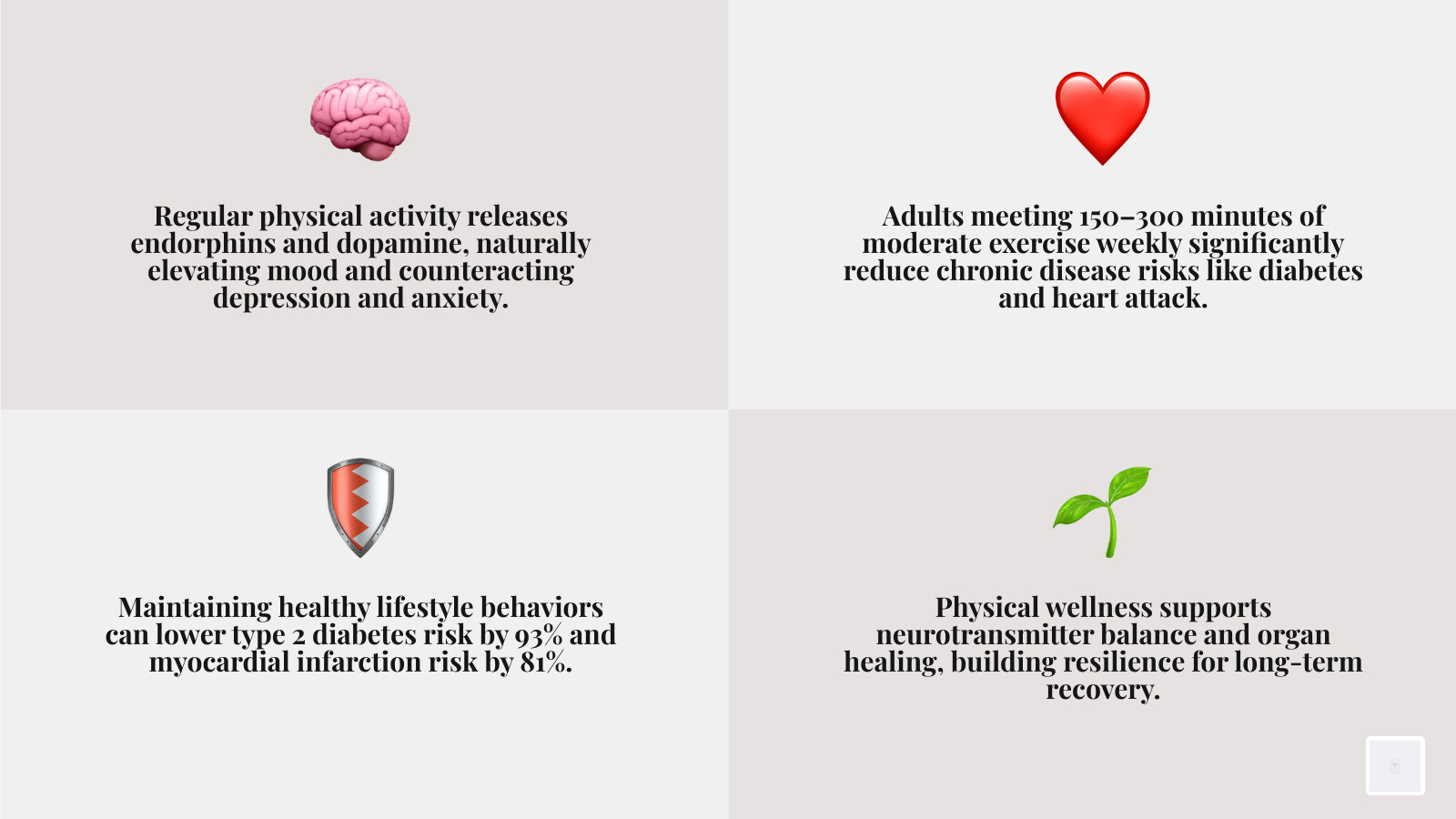
Engaging in regular physical activity, for instance, triggers the release of endorphins and dopamine, natural mood elevators that can counteract feelings of depression and anxiety. This biochemical boost is not just temporary; consistent activity builds resilience. According to health guidelines, adults who engage in 150–300 minutes of moderate-intensity physical activity per week experience reduced symptoms of depression and anxiety and improved overall mental health. Beyond mood regulation, physical wellness is a powerful preventative measure against chronic diseases. Research indicates that adults who maintain four healthy lifestyle behaviors—avoiding smoking, eating healthily, maintaining an optimal body mass, and engaging in regular physical activity—can significantly lower their risk for conditions such as type 2 diabetes (93% lower risk), myocardial infarction (81% lower risk), stroke (50% lower risk), and certain cancers (36% lower risk) over nearly eight years. These profound benefits underscore why physical wellness is not merely an adjunct to recovery but an indispensable part of it. For those seeking resources to maintain physical well-being, especially in later life, organizations like UCSF Geriatrics offer valuable community support.
The benefits of physical activity are so significant that they often rival traditional medical interventions. Consider the following comparison:
Benefit Area Exercise-Based Intervention Traditional Medical Intervention Combined Approach Synergy Key Physiological Mechanism Cardiovascular Health Regular aerobic exercise (150 mins/week) Beta-blockers, statins, antihypertensives Maximizes arterial elasticity while managing acute symptoms Improves endothelial function and lowers resting heart rate Mental Well-being Moderate-intensity training, outdoor activities SSRIs, cognitive behavioral therapy Accelerates neurotransmitter balance and cognitive resilience Stimulates endorphin, serotonin, and dopamine release Joint & Bone Density Resistance training, weight-bearing exercises Bisphosphonates, calcium/vitamin D therapy Prevents bone loss while building supporting muscle mass Stimulates osteoblast activity and strengthens connective tissues Metabolic Regulation High-intensity interval training (HIIT) Metformin, insulin therapy Enhances insulin sensitivity naturally, reducing drug dependency Increases GLUT4 translocation in skeletal muscle cells Inflammation Control Consistent low-impact movement, cold therapy NSAIDs, corticosteroid injections Reduces systemic inflammation without gastrointestinal side effects Downregulates pro-inflammatory cytokines (IL-6, TNF-alpha) The Role of Joint Health in Long-Term Mobility.
As we age or recover from injuries, maintaining joint health becomes a primary concern. Joints are the pivot points of our movement, and their degradation can severely limit our physical capabilities and overall quality of life. To support this aspect of health, targeted supplementation and lifestyle adjustments are often necessary. For instance, incorporating high-quality glucosamine supplements can help preserve cartilage integrity and reduce inflammation. Utilizing specialized resources like Dona physical well-being and joint recovery can provide the body with the essential building blocks needed to maintain joint lubrication and flexibility. This proactive approach to joint care ensures that we can continue to engage in physical activities that keep our cardiovascular and mental health in peak condition. Furthermore, joint health is not just about cartilage; it also involves the tendons, ligaments, and muscles that support the joint structure. Strengthening these surrounding tissues through targeted resistance training can reduce the load on the joints themselves, preventing wear and tear and reducing the risk of chronic conditions like osteoarthritis.
Cold Therapy and Advanced Recovery Modalities
In the realm of athletic performance and rehabilitation, recovery is just as important as the training itself. When we subject our bodies to intense physical stress, micro-tears occur in muscle fibers, leading to inflammation and soreness. To accelerate healing, many practitioners turn to cryotherapy and cold water immersion. These techniques work by constricting blood vessels and reducing metabolic activity, thereby decreasing swelling and tissue breakdown. Once out of the cold, blood flows back to the muscles, flushing out metabolic waste and delivering fresh oxygen and nutrients. Implementing a dedicated Physical well-being recovery protocol, such as specialized cold tubs, can significantly shorten recovery times, alleviate delayed-onset muscle soreness (DOMS), and enhance overall physical resilience. This method of active recovery has gained widespread popularity not only among elite athletes but also among individuals recovering from surgery or managing chronic pain, as it offers a non-pharmacological approach to managing discomfort and promoting healing.
The Physiology of Sleep and Tissue Repair
While active recovery techniques are highly beneficial, the most fundamental recovery tool available to us is sleep. During deep sleep, specifically slow-wave sleep, the body enters an anabolic state in which tissue growth and repair occur. The pituitary gland releases growth hormone, which stimulates muscle development and cellular regeneration. Furthermore, sleep is crucial for cognitive consolidation and nervous system recovery. Chronic sleep deprivation impairs glucose metabolism, increases cortisol levels (a catabolic hormone that breaks down muscle), and reduces the body’s ability to synthesize protein. To optimize physical well-being, individuals should aim for seven to nine hours of high-quality, uninterrupted sleep per night, establishing a consistent sleep schedule and a sleep-conducive environment. This means limiting exposure to blue light from screens before bed, keeping the bedroom cool and dark, and avoiding stimulants like caffeine and alcohol in the evening.
Nutritional Foundations for Healing and Energy
Nutrition is the fuel that drives every physiological process in the body, including recovery. A diet rich in whole foods, lean proteins, healthy fats, and complex carbohydrates provides the necessary macronutrients and micronutrients to rebuild tissues and replenish energy stores. Protein intake is particularly critical during recovery, as amino acids are the building blocks of muscle and connective tissue. Additionally, micronutrients such as Vitamin C, Zinc, and Magnesium play essential roles in collagen synthesis, immune function, and muscle relaxation. Hydration is another cornerstone of physical wellness; water is required for nutrient transport, joint lubrication, and temperature regulation. Even mild dehydration can impair physical performance and delay recovery processes. To ensure optimal hydration, individuals should consume water consistently throughout the day, adjusting intake based on activity levels and environmental conditions.
The Interplay Between Mental and Physical Health
The mind and body are not separate entities but rather deeply interconnected systems. Psychological stress triggers the release of stress hormones like cortisol and adrenaline, which, when chronically elevated, can suppress immune function, increase inflammation, and delay physical healing. Conversely, physical activity and physical well-being have a profound impact on mental health. Regular exercise stimulates neurogenesis—the growth of new brain cells—and increases levels of brain-derived neurotrophic factor (BDNF), which supports cognitive function and mood regulation. By addressing physical health through proper recovery, nutrition, and exercise, we create a positive feedback loop that enhances psychological resilience, making us better equipped to handle life’s challenges. This holistic approach to wellness recognizes that mental recovery is often dependent on physical recovery, and vice versa.
Expanding on Cardiovascular and Metabolic Health
The cardiovascular benefits of physical activity cannot be overstated. When we engage in aerobic exercise, our heart muscle becomes stronger and more efficient, pumping more blood with each beat. This reduces the workload on the heart and lowers resting blood pressure. On a cellular level, exercise stimulates angiogenesis—the formation of new blood vessels—which improves blood flow and oxygen delivery to tissues throughout the body. This enhanced circulation is vital for recovery, as it ensures that damaged tissues receive the nutrients they need to heal.
Metabolically, physical activity is a powerful regulator of blood glucose levels. During exercise, muscles contract and absorb glucose from the bloodstream to use as energy, even in the absence of insulin. This process helps maintain stable blood sugar levels and improves insulin sensitivity over time. For individuals recovering from metabolic disorders or seeking to prevent them, regular physical activity is an indispensable tool that, when combined with dietary strategies, promotes long-term metabolic health.
The Importance of Personalization in Recovery
Every individual’s body is unique, and therefore, recovery strategies must be tailored to meet specific needs. Factors such as age, fitness level, medical history, and lifestyle all play a role in determining the most effective recovery protocol. For some, recovery may focus heavily on low-impact activities like yoga and swimming to preserve joint health. For others, it may involve advanced modalities such as cold-water immersion, targeted supplementation, and professional physical therapy. By listening to our bodies and working with healthcare professionals, we can design a personalized recovery plan that supports our unique physical well-being goals and ensures sustainable, long-term health.
The Role of Physical Therapy and Rehabilitation
In many recovery journeys, especially those following major surgeries or severe injuries, professional physical therapy plays an indispensable role. Physical therapists are trained to assess movement patterns, identify muscle imbalances, and design targeted exercise programs that restore function and reduce pain. These programs often combine strength training, flexibility exercises, and manual therapy techniques to help patients regain their independence and improve their quality of life. By working closely with a physical therapist, individuals can ensure they perform exercises safely and effectively, minimizing the risk of reinjury and maximizing their recovery potential.
Incorporating Mindfulness and Stress Reduction
In addition to physical exercises and recovery modalities, incorporating mindfulness and stress-reduction techniques can significantly enhance recovery. Practices such as meditation, deep breathing exercises, and yoga help activate the parasympathetic nervous system, which is responsible for the body’s “rest and digest” functions. When the parasympathetic nervous system is active, heart rate slows, blood pressure decreases, and the body can focus its energy on healing and repair. By reducing chronic stress, mindfulness practices can also improve sleep quality, boost immune function, and enhance overall emotional well-being, creating a solid foundation for physical recovery.
The Impact of Environmental Factors on Well-being
Our physical well-being is also influenced by the environments in which we live, work, and recover. Exposure to natural light, fresh air, and green spaces has been shown to impact both physical and mental health positively. Spending time in nature can lower cortisol levels, reduce blood pressure, and improve mood. Furthermore, creating a clean, organized, and supportive living environment can reduce stress and promote healthy habits. By paying attention to our physical surroundings and making adjustments to support our health, we can create an environment that fosters healing and long-term well-being.