
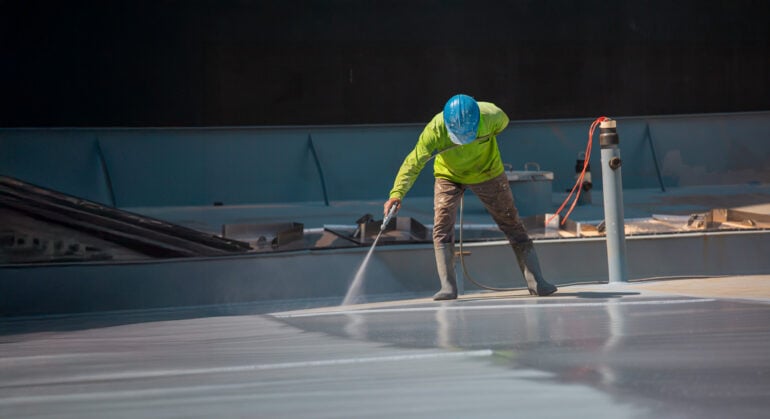
Maintenance may support a stronger risk profile by finding small defects before they become larger water or storm losses. It does not require an insurer to lower a premium, but it can help limit preventable claims and demonstrate that known conditions were addressed.
Problems often start at seams, flashing, roof penetrations, perimeter edges, or drains. A penetration is any opening through the roof, such as one for a vent, pipe, or equipment support. If these areas fail, water can reach insulation, ceilings, inventory, or electrical systems.
Weather adds urgency to routine care. According to NOAA’s Billion-Dollar Weather and Climate Disasters data, the United States experienced 27 weather and climate disasters causing at least $1 billion in damage in 2024. A particular event may not affect every building, yet wind, hail, heavy rain, and snow can expose existing weaknesses.
For renewal discussions, useful evidence includes dated inspection reports, photographs, repair invoices, storm-response notes, and warranty documents. This file cannot remove a roof’s age or weather exposure. It can, however, show that the owner identified and handled known issues.
How long does roof maintenance take?
A basic inspection can take hours, while repairs may require anything from a short service visit to a scheduled project. Timing depends on roof size, access, safety requirements, weather, materials, and the conditions discovered.
Effective maintenance is a cycle, not a one-time assignment. A schedule often includes spring and fall inspections, along with checks after significant wind, hail, snow, or rainfall. Older roofs, drainage-prone areas, and buildings supporting critical operations may warrant closer attention.
During a visit, qualified personnel can examine membranes, seams, flashings, drains, gutters, rooftop equipment, and visible signs of ponding water or storm damage. Roof access should be limited to people with appropriate training and fall-protection procedures.
Property owners seeking context for why premiums are rising so sharply can review Kato Roofing’s resource on proactive commercial roof maintenance, claims history, and property insurance costs.
How does maintenance differ from replacement?
Maintenance addresses limited, repairable conditions. Replacement becomes a consideration when widespread deterioration, recurring leaks, saturated materials, or age-related wear prevent the existing system from performing reliably.
For example, clearing a blocked drain can reduce ponding water. Refitting loose flashing can limit wind-driven rain at an edge or wall transition. Those steps differ from replacing a roof system whose materials have failed across broad areas.
Restoration may sit between repair and replacement. A compatible coating or targeted rehabilitation can be considered when the underlying roof remains suitable. A qualified roofing professional can evaluate the condition and explain which approach fits the observed issues.
What records help at renewal?
A useful record shows what was found, when it was found, and what happened next. Keep inspection reports, photos, contractor recommendations, work orders, invoices, warranties, and storm notes in one accessible file.
Before renewal, ask the broker or carrier which roof details matter to underwriting. Provide accurate information about roof age, material, repairs, and documented storm damage. Do not assume a maintenance file alone will change pricing, because carriers and policies evaluate risk differently.
A practical review should include the following steps:
-
Schedule seasonal and post-storm inspections.
-
Photograph conditions and record inspection dates.
-
Address drainage, flashing, seam, and penetration issues promptly.
-
Match repair invoices to the original findings.
-
Review the documentation with the insurance broker before renewal.
This process helps leaders decide where further roof investment is warranted and reduces the chance that a manageable issue becomes a disruptive loss.

Source: Kato Roofing
For more coverage on this topic, see related articles on our publishing site.