
Photo: Monstera Production
Every November, millions of families across the country participate in a familiar annual ritual. We pack overloaded suitcases, double check flight status updates, check highway traffic maps, and head across state lines or across town to gather around a crowded dining table.
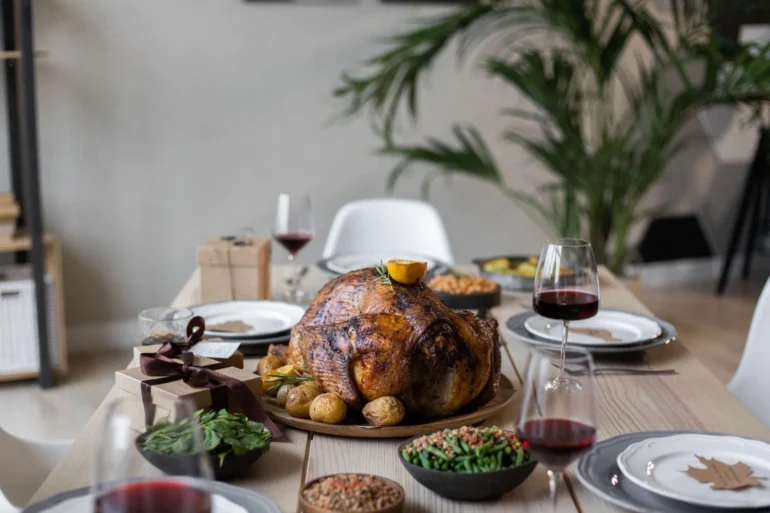
We look forward to the familiar sights and sounds of the holiday season. The smell of roasting turkey filling the kitchen, football games playing quietly in the living room, and generations of relatives catching up on the past year.
Yet for many families caring for aging parents or elderly relatives, this week brings a quiet, nagging anxiety that rarely makes it into holiday greetings.
Watching the Slow Shift in Our Loved Ones
Travel forecasts and seasonal health advisories have started dominating the morning news cycles again. Analysts are predicting record breaking road trips and crowded airport terminals as families reunite for the first major holiday of the late autumn season.
While most travelers are focusing on flight delays or weather forecasts, adult children everywhere are preparing for a very different kind of test.
For many people, Thanksgiving is the first time in several months that they sit face to face with an aging parent. Distance has a way of hiding the subtle progression of time. Phone calls and brief video chats during the year often mask how much day to day living has changed for a mother or father living alone.
When you step through the front door for the holidays, those small changes suddenly become impossible to ignore:
- The Subtle Signs around the House: Mail piling up on the entry table, unopened prescription bottles sitting on the counter, or a refrigerator that looks surprisingly bare.
- The Physical Toll of Daily Routines: A parent who used to move around the kitchen with total ease now hesitates before taking a step, or seems noticeably exhausted after preparing a simple meal.
- The Reluctance to Ask for Help: Older adults often go to great lengths to hide their daily struggles because they deeply fear losing their independence or becoming a burden to their children.
Sitting at the dinner table, you realize that the person who spent decades looking after everyone else now needs a level of support that nobody in the family was fully prepared to navigate.
The Overwhelming Search for Solutions
Once a family recognizes that an aging relative needs additional help, the immediate question becomes where to turn.
Traditionally, the healthcare and eldercare systems offer two main options. The first is assisting a parent in moving into an assisted living or nursing facility. The second is trying to manage a complicated web of outpatient clinic visits, driving an elderly parent back and forth across town through cold weather for routine checkups, blood work, or minor medical concerns.
Neither option feels like a true solution for a family that simply wants their parents to stay safe, comfortable, and dignified in their own home.
Moving an older adult out of the house they have lived in for thirty years can cause immense emotional distress and rapid cognitive decline. On the flip side, forcing a frail individual to spend hours sitting in a drafty clinic waiting room alongside dozens of sick patients often creates more health risks than it solves.
Families end up trapped between wanting to protect their loved ones and wanting to preserve their comfort and independence.
Bringing High Quality Medical Attention directly Home
The real challenge with traditional eldercare is not a lack of compassion from healthcare workers. It is an outdated delivery system that insists the patient must always travel to the care, rather than allowing the care to travel to the patient.
When an elderly parent experiences a sudden health setback, like a severe respiratory virus, a minor infection, or a flare up of a chronic condition during the holiday season, the default reaction is almost always to rush them to an emergency department.
Yet an emergency department is quite literally the worst environment for a frail senior. The bright fluorescent lighting, noisy hallways, and long hours spent waiting on a hard stretcher can cause severe confusion, anxiety, and physical exhaustion.
Lon Hecht, CEO of Care2U, views this structural gap as one of the most critical challenges facing modern families today. In his view, allowing older adults to age in place with dignity requires bringing acute medical capabilities straight to the front door, eliminating the need for unnecessary hospital trips.
Care2U has focused its approach on dispatching mobile clinical teams directly to a patient’s living room within hours of a call.
When a field clinician arrives at the bedside, they bring hospital grade capabilities right into the home:
- Comprehensive Bedside Testing: Clinicians can draw blood, perform rapid diagnostic panels, and evaluate vital signs on the spot without making the patient leave their bed.
- Immediate Therapeutic Treatments: Administration of intravenous fluids, prescription medications, and respiratory support can begin immediately in the comfort of a familiar bedroom.
- Real Time Physician Guidance: A board certified physician oversees the visit virtually, evaluating diagnostic results and discussing the treatment plan directly with the patient and their family.
This model allows an elderly parent to receive the exact same clinical rigor they would get in a medical facility, but while resting comfortably in their favorite armchair wrapped in their own blanket.
Protecting Dignity and Family Peace of Mind
As we gather with family this Thanksgiving, the greatest gift we can give our aging relatives is the ability to feel safe and cared for in the place they love most.
Caring for an elderly parent should not mean sacrificing their comfort or stripping away their autonomy. When healthcare adapts to the needs of the individual rather than forcing the individual to fit into a rigid institutional box, families can focus on what truly matters during the holidays.
This season, as you sit around the table with the people who mean the most to you, take a moment to look closely at the older adults in your life.
Planning ahead, exploring modern home based care alternatives, and ensuring our parents have access to high quality medical attention right in their living rooms allows us to protect their health while keeping them right where they belong: surrounded by family, at home.