
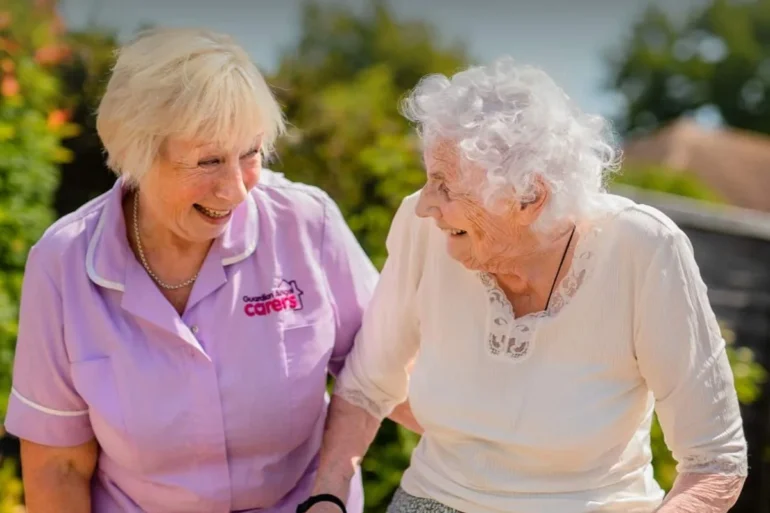
Tailored home care supports safe recovery and helps patients regain independence after hospital discharge
Leaving hospital after an illness or injury is an important milestone in the recovery process, but being medically fit to return home doesn’t necessarily mean a person is ready and confident enough to be able to manage independently.
As the specialists at Guardian Angel Carers, a home care provider with 18 locally owned territories across the UK helping people remain independent at home, have explained, people recovering from surgery or an illness may still be experiencing pain, fatigue, reduced mobility and uncertainty, and many will have ongoing needs for support during their recovery at home that can’t always be met without having the right plans in place.
The independent at-home care provider clarifies the issues around post-hospital recovery, some of the challenges patients may face, and the evidence that helps care professionals understand the gaps in knowledge, resources and independence that can be barriers to making a full recovery at home.
Why Is Transitioning From Hospital to Home Often Challenging?
Operations Director, Vikki Craig-Vickers from Guardian Angel Carers says, ‘Hospitals will only discharge a patient when they are clinically well enough, but just because a person doesn’t need to stay in hospital any longer, this doesn’t translate to them being fit, healthy, energised and ready to manage all their day-to-day tasks at home alone.
Many of the families we support in the communities we serve are dealing with physical recovery and rehabilitation, the emotional upheaval of having been able to return home, sometimes after a long time in hospital, and the practical adjustments they might need to make to be able to move safely and comfortably around their homes.’
Healthwatch published a 2025 review which supports this, reporting on problems identified during research in 2023. They included patients leaving hospital without having follow-up care, without medications, and being unsure how they would manage at home. It also highlighted cases where healthcare professionals may have assumed relatives would be there to provide transport or care, without verifying whether this was the case.
Vikki adds, ‘While many families work incredibly hard to support their loved ones when they’re able to return home, not everybody has that support network, and not every relative will have the capacity to be able to provide care. This is why we don’t believe families should be assumed to be an available or suitable care plan in every situation.’
What Can Go Wrong When Patients Aren’t Prepared for a Hospital Discharge
Being discharged from hospital is a positive step forward, but issues may arise if a person isn’t able to manage their own care and recovery and doesn’t have a plan in place.
A separate 2016 study called Closing the Gap looked at three important elements that should be in place before patients are discharged. They included having knowledge of their condition, treatment and what needs to happen next, such as rehabilitation and follow-up care, access to medication, equipment, social support and practical help, and self-efficacy.
Unfortunately, researchers discovered that patients can and do leave hospitals without one or more of those essential elements, which can make the transition to living comfortably at home very difficult.
Outcomes could potentially be serious, especially for older or vulnerable patients who might be living alone and without a support system. They are also more profound for people who have had an extended hospital stay, major surgery or a serious illness who may have experienced declines in muscle strength, confidence and mobility.
The Support That Should Be in Place Before Someone Returns Home From Hospital
The exact needs of the individual will always need to be considered in detail before deciding what support they might or might not need, given that the length and reason for a hospital stay, and their general age, well-being, health and mobility will all influence the right help.
However, this will often include practical equipment and adjustments to make their home safe, such as grab rails, step-free access and accessible bathroom and kitchen facilities.
Some people will need help with administering medications and attending follow-up appointments, while others may require support getting round their home, following rehabilitation exercises, preparing meals and personal care such as bathing and dressing.
In other cases, whether practical and personal care is needed or not, emotional support might be essential, providing companionship and kindness to help a person adjust to life at home, and help them build back their confidence to be able to live independently.
The exact way that support is delivered might also look different between families, such as having a partner or loved ones to help, professional visiting home carers, or support from other community-based healthcare teams.
However, the need for a clear care plan, decisions on how and when an individual would welcome assistance, and how long this is expected to be required for should all be addressed before a hospital discharge, not least to ensure the person is clear about how they will manage and who will be there to support them.
How Support at Home Can Help Rebuild Post-Hospital Independence
Needing to stay in hospital while unwell, injured or after surgery can be distressing for many people, and although returning home is something patients often look forward to, it’s vital that this is a supported transition.
Vikki explains that ‘Post-hospital care is one of several types of specialist care we offer, and it’s designed specifically to help people find their feet, whatever that means to them, while they adjust to being back in the comfort of their homes.
For us, the key factors aren’t just creating personalised care plans that the person and their loved ones are involved in, but providing consistent support and reliable reassurance, helping an individual regain their confidence, progress through recovery, and begin doing more tasks for themselves as they become able to.’
Guardian Angel Carers offers complimentary care needs assessments for families concerned about the post-hospital recovery period or can discuss how home from hospital care works for those who would like further information. The organisation provides visiting, overnight, live-in and specialist care through its 18 independently owned territories around the UK.