
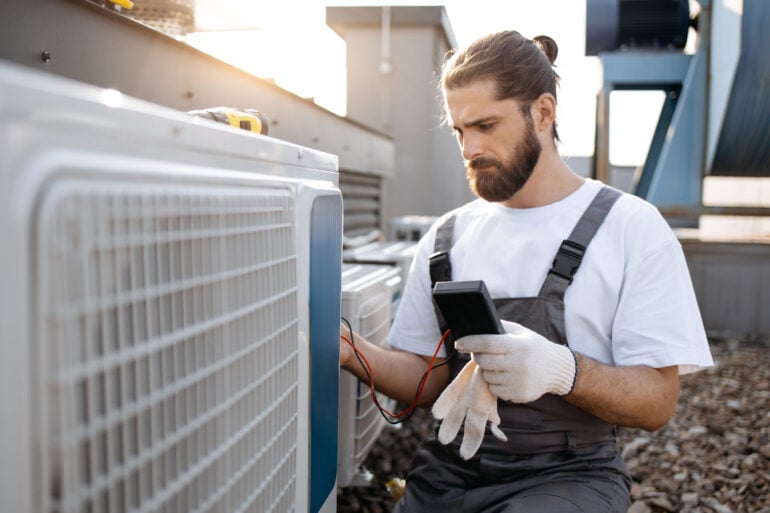
As the days grow shorter and temperatures start to drop, your home’s HVAC system quietly prepares for one of its toughest seasons yet. Winter puts significant strain on heating equipment, and a lack of preparation can lead to inconvenient breakdowns right when you need warmth the most. Taking a proactive approach to HVAC maintenance now can save you from costly repairs, uncomfortable cold spells, and unnecessary stress later in the season.
This checklist walks you through the essential steps every homeowner should take to get their HVAC system winter-ready.
Inspect and Replace Air Filters
One of the simplest yet most impactful tasks on this list is checking your air filters. A clogged or dirty filter restricts airflow, forcing your furnace to work harder than necessary. This not only drives up energy costs but also puts excess wear on internal components.
Before winter sets in, inspect your filter and replace it if it looks dirty or clogged. Throughout the season, plan to check it monthly, since heating systems tend to run more frequently during colder months. A clean filter supports better airflow, improves indoor air quality, and helps your system operate efficiently all winter long.
Test Your Thermostat
Your thermostat is the command center for your entire heating system, so it’s worth confirming it’s working properly before the cold weather arrives. Turn on your heat and ensure the thermostat responds accurately, reaching and maintaining the set temperature without delay.
If you’re still using an older, manual thermostat, consider upgrading to a programmable or smart model. These devices allow you to set heating schedules that align with your daily routine, helping you avoid heating an empty house and potentially lowering your energy bills throughout the season.
Schedule a Professional Inspection
While homeowners can handle many basic maintenance tasks, a professional HVAC inspection offers a level of thoroughness that’s hard to replicate on your own. A qualified technician can identify issues that aren’t visible during a casual walkthrough, such as worn-out components, refrigerant leaks, or electrical connections that need attention.
During a professional tune-up, your HVAC technician will typically clean internal components, check for carbon monoxide leaks, verify that safety controls are functioning correctly, and ensure the system is operating at peak efficiency. Scheduling this inspection before the coldest weather hits means any necessary repairs can be addressed early, rather than during an emergency.
Clear Debris From Outdoor Units
If your HVAC system includes an outdoor component, such as a heat pump, it’s important to keep the area around it clear. Leaves, branches, and other debris can accumulate around outdoor units in the fall, potentially restricting airflow and affecting performance.
Walk around your outdoor unit and clear away any buildup. Trim back nearby shrubs or branches to maintain adequate clearance, and consider installing a protective cover designed specifically for HVAC units during periods of heavy snow or ice, while ensuring it doesn’t block necessary ventilation.
Seal Gaps and Improve Insulation
Your HVAC system can only do so much if your home isn’t properly insulated. Gaps around windows, doors, and other openings allow warm air to escape and cold air to seep in, forcing your furnace to work overtime to maintain a comfortable temperature.
Walk through your home and check for drafts around windows and doors. Apply weatherstripping or caulk to seal any gaps you find. It’s also worth checking your attic insulation, since heat naturally rises and can escape through poorly insulated ceilings. These small investments in sealing and insulation can make a noticeable difference in both comfort and energy efficiency.
Check Your Carbon Monoxide Detectors
As your furnace runs more frequently throughout winter, the risk of carbon monoxide exposure increases, making functioning detectors an absolute necessity. Test each detector in your home to confirm it’s working properly, and replace batteries if needed.
If you don’t already have carbon monoxide detectors near sleeping areas and close to your furnace, now is the time to install them. This small step is one of the most important safety measures you can take before winter weather sets in.
Stay Ahead of the Season
Preparing your HVAC system for winter doesn’t require a massive time investment, but it does require consistency and attention to detail. By working through this checklist, you’re not just protecting your equipment. You’re also protecting your comfort, your wallet, and your family’s safety throughout the coldest months of the year.
Taking these steps now means you can look forward to a winter season spent enjoying a warm, reliable home, rather than scrambling to fix an unexpected breakdown.