
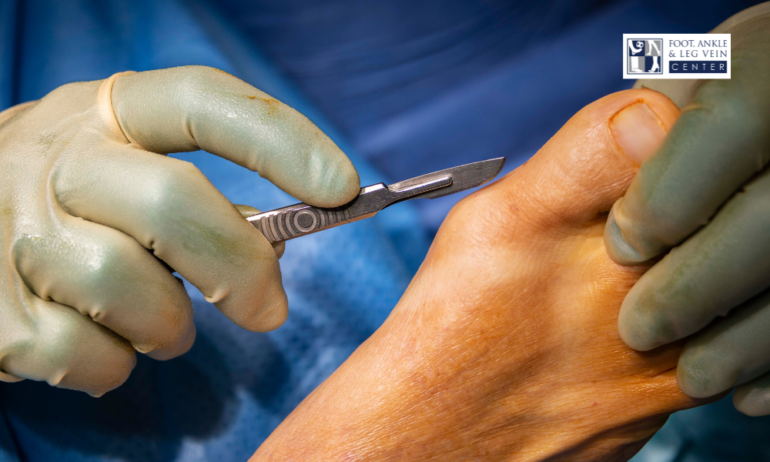
Experiencing heel pain or discomfort under the ball of your foot can make walking, standing, or even wearing shoes difficult. Many patients in Boynton Beach, FL, struggle with fat pad atrophy or fat pad syndrome, which reduces the natural cushion under the heel and sole of the foot, leading to pain and instability. Walking barefoot or standing for long periods can worsen heel pad loss and affect balance.
The Foot, Ankle & Leg Vein Center in Boynton Beach offers specialized care to treat fat pad atrophy and restore natural fat pads. Using approaches like fat grafting, autologous fat augmentation, and targeted injections, our team improves shock absorption, reduces foot pain, and helps patients regain standing and walking stability for everyday comfort and mobility.
What Fat Pad Atrophy Is and How It Develops
Fat pad atrophy occurs when the fat pads under the heel and ball of the foot thin due to wear and tear, aging, or medical conditions like plantar fasciitis and fat pad syndrome. Reduced heel pad thickness lowers shock absorption and cushion, causing heel pain, discomfort in the bottom of the foot, and difficulty standing barefoot or walking on hard surfaces.
Patients may also notice pain in the ball of the foot, neuroma foot pain, or metatarsalgia. Understanding information about fat pad function is crucial to addressing symptoms early and preventing further fat pad loss.
Causes and Risk Factors of Fat Pad Atrophy
Fat pad atrophy can result from aging, repeated pressure on the ball of the foot, high-impact exercises, or improper shoe gear. Medical conditions such as diabetic foot, rheumatoid arthritis, or plantar fasciitis accelerate thinning of the fat pad. Continuous walking barefoot, fat pad compression, and wear and tear also contribute to heel pad loss. Patients suffering with Morton’s neuroma foot pain often experience fat pad tissue degradation, increasing heel pain and affecting balance during standing and walking.
How Fat Pad Loss Affects Standing and Balance
Loss of fat pads in your feet reduces heel pad elasticity, impairing shock absorption while standing or walking. This can strain the ankle, knees, and hips, leading to poor foot and ankle alignment. Patients often report difficulty maintaining balance, increased risk of slips, and pain under the heel during prolonged standing barefoot or walking.
Heel pain, ball of the foot discomfort, and plantar fat pad atrophy can alter gait, making daily activities more challenging and increasing the risk of injury.
Non-Surgical Approaches to Treat Fat Pad Atrophy
Conservative treatments can help treat fat pad atrophy in its early stages. Custom orthotics, heel cups, cushioned socks, and shoe inserts reduce pressure on fat pads and provide temporary pain relief. Rehabilitation exercises strengthen the ankle and foot muscles to support foot balance. Patients with thin plantar fat may also use soft tissue cushions to reduce impact during walking or high-impact exercises, helping slow further fat pad loss.
Fat Grafting and Fat Pad Augmentation
For more advanced fat pad atrophy, procedures like autologous fat grafting or fat pad augmentation provide long-term fat pad restoration. Natural fat is harvested from another area of the body and placed under the heel or ball of the foot, improving heel pad thickness and restoring cushion.
This treatment reduces pain in the ball and heel, and improves shock absorption, allowing better balance during standing and walking. Patients with plantar fat pad atrophy or suffering from Morton’s neuroma foot pain often see significant improvement in daily comfort.
Benefits of Fat Pad Restoration for Foot Health
Restoring fat pads in your feet not only reduces foot pain but also improves balance and stability. Fat pad augmentation protects the heel bone, enhances heel pad elasticity, and supports proper foot and ankle alignment. Patients with fat pad syndrome, heel fat pad atrophy, or diabetic foot concerns can prevent further fat pad tissue loss and reduce the likelihood of foot ulcers. Fat grafting and other treatments for fat pad atrophy restore natural fat pads to improve comfort and mobility.
When to Seek Medical Treatment
Early intervention is critical to prevent worsening fat pad loss. If you experience heel pain, pain under the heel, or ball of the foot discomfort, contact a specialized podiatry clinic. Patients with foot conditions like metatarsalgia, plantar heel pain, or fat pad syndrome may benefit from autologous fat grafting for pedal restoration. Early treatment improves outcomes, reduces foot pain, and helps maintain proper standing and balance.
Restore Cushioning, Reduce Heel Pain, and Improve Balance
The Foot, Ankle & Leg Vein Center in Boynton Beach, FL provides advanced care for fat pad atrophy, heel fat pad atrophy, and plantar fat pad atrophy. Through tailored treatments for fat pad atrophy, including fat pad augmentation and autologous fat grafting, patients can restore natural fat pads, reduce heel pain, and improve balance during standing and walking.
Early treatment protects foot and ankle health, enhances shock absorption, and allows for a more comfortable, active lifestyle. Contact our team to explore personalized solutions for fat pad restoration and lasting relief from foot pain.