

The Evolution of Home Medical Technology
The concept of home healthcare is not new; for centuries, care has been predominantly delivered in the home. However, the tools and capabilities available have changed, particularly with the advent of digital technologies.
From Basic Aids to Digital Innovation
In the pre-digital era, home medical technology was largely limited to basic aids: crutches, wheelchairs, simple bandages, and perhaps a thermometer or blood pressure cuff. These tools, while essential, offered little in the way of real-time data, remote monitoring, or sophisticated therapeutic interventions. The focus was primarily on assistive care and managing acute conditions after a hospital stay.
The real shift began with the integration of digital technologies. Miniaturization allowed devices to become smaller, more portable, and less intrusive. Wireless connectivity enabled seamless data transmission, breaking down geographical barriers between patients and providers. Smart sensors, embedded in everything from wearable patches to smart home devices, began collecting continuous, nuanced health data. This digital revolution has paved the way for a more proactive, personalized, and preventive approach to home healthcare.
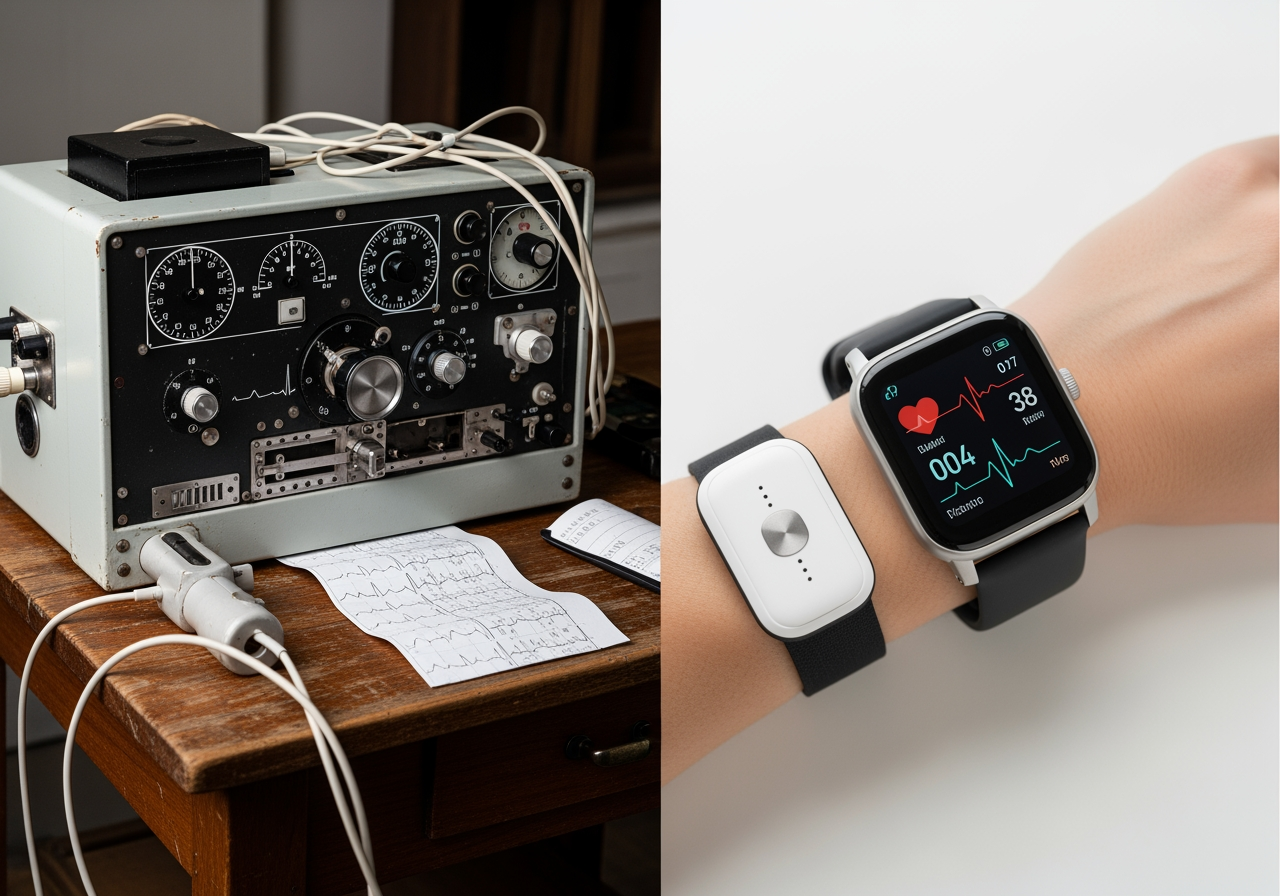
One of the most significant changes has been the rise of electronic health records (EHRs). In the U.S. alone, the adoption of electronic records in hospitals surged from 10% to 70% by 2014, fundamentally changing how patient information is stored, accessed, and shared. This digital infrastructure is crucial for supporting the complex data flows generated by modern home medical technologies.
Key Categories of Advanced Technology in Home Healthcare
Medical technology today encompasses a vast array of devices and systems designed to prevent, diagnose, treat, and monitor health conditions. The World Health Organization defines a ‘medical device’ broadly as any instrument, apparatus, implement, machine, appliance, implant, reagent, software, material, or other related article intended for human use for one or more specific medical purposes, from diagnosis to prevention and support. This broad definition highlights the diversity of tools now available in the home setting.
Many common conditions are now effectively managed at home with the aid of technology, including:
- Diabetes: Continuous Glucose Monitors (CGMs), smart insulin pens.
- Chronic Obstructive Pulmonary Disease (COPD): Portable nebulizers, pulse oximeters, smart inhalers.
- Hypertension: Wireless blood pressure monitors, smart scales.
- Heart Conditions: Wearable ECG devices, remote pacemaker monitoring.
- Post-operative Recovery: Remote wound monitoring, physical therapy apps, pain management devices.
- Mobility Impairment: Advanced power wheelchairs, smart canes, assistive robotics.
- Chronic Pain: TENS units and far-infrared therapy devices.
- Wound Care: Advanced dressings, negative pressure wound therapy (NPWT) systems.
The medical technology industry is a significant economic force, with U.S. medical device exports exceeding $45 billion in 2019. This thriving industry is characterized by innovation, with R&D spending averaging 7% of revenue, and a landscape where more than 80% of manufacturers are small and medium-sized enterprises (SMEs), fostering agile development and specialized solutions. The industry also supports two million jobs across the United States, creating numerous career opportunities for health technologists and technicians.
Remote Patient Monitoring (RPM)
Remote Patient Monitoring (RPM) is perhaps the most transformative category in home healthcare. These technologies enable healthcare providers to monitor a patient’s vital signs, symptoms, and other health data remotely, providing continuous oversight without the need for frequent in-person visits.
- Wearable Sensors: Devices like smartwatches and fitness trackers, once primarily for wellness, now offer medical-grade capabilities, including heart rate monitoring, sleep patterns, activity levels, and even fall detection. Specialized wearable patches can continuously track ECG, temperature, and respiratory rate.
- Continuous Glucose Monitors (CGMs): For individuals with diabetes, CGMs provide real-time glucose readings, eliminating the need for multiple finger pricks and offering insights into glucose trends, enabling better disease management.
- Telehealth Platforms: These platforms facilitate virtual consultations via video calls, secure messaging, and remote examinations, bringing specialists directly to patients’ homes. This is particularly beneficial for rural populations or those with mobility challenges.
- Smart Home Devices: Beyond traditional medical devices, smart home technology can integrate with healthcare, offering medication reminders, monitoring daily routines, and providing emergency alerts.

RPM shifts healthcare from reactive to proactive, enabling early detection of deteriorating conditions and timely interventions that can prevent hospitalizations and improve long-term health outcomes.
Therapeutic and Recovery Devices
Beyond monitoring, a growing number of therapeutic and recovery devices are now designed for safe and effective use at home. These technologies empower patients to actively participate in their healing journey and manage chronic conditions with greater independence.
- At-Home Therapy Devices: This includes a range of equipment for physical, occupational, and respiratory therapy. Portable nebulizers allow individuals with asthma or COPD to administer medication efficiently. TENS (Transcutaneous Electrical Nerve Stimulation) units provide non-pharmacological pain relief for various conditions.
- Advanced Wound Care: For complex or severe wounds, such as those resulting from chronic conditions or injuries, advanced wound care technologies are increasingly available in the home. These include specialized dressings, negative-pressure wound therapy (NPWT) systems, and devices that promote cellular regeneration. For severe wounds like deep tissue tears, specialized medical tech for avulsion injuries is now available for home use, accelerating recovery. Technologies like Far Infrared Therapy are also gaining traction for their benefits in promoting circulation, reducing inflammation, and supporting tissue repair, which can be crucial for effective wound healing and pain management.
- Pain Management Devices: Beyond TENS, devices that use far-infrared therapy offer non-invasive pain relief for chronic conditions and post-operative recovery, addressing various types of pain. These technologies can help improve surgical recovery by reducing discomfort and promoting faster healing.
These devices not only offer convenience but also reduce the burden on clinical facilities, allowing patients to recover or manage conditions in a comfortable, familiar environment.
Assistive and Durable Medical Equipment
Assistive technologies and Durable Medical Equipment (DME) are fundamental to maintaining independence and safety for individuals with disabilities or age-related challenges. These tools have also seen significant advancements.
- Smart Canes and Advanced Power Wheelchairs: Modern mobility aids go beyond basic functionality. Smart canes can detect falls and alert emergency contacts, while advanced power wheelchairs offer customizable controls, improved maneuverability, and even standing functions, significantly improving users’ quality of life.
- Smart Pill Dispensers: Medication adherence is critical, especially for chronic conditions. Smart pill dispensers can organize medications, provide timely reminders, and even alert caregivers if doses are missed, preventing complications.
- Voice-Activated Emergency Response Systems: These systems provide a crucial safety net, allowing individuals to call for help hands-free in an emergency, offering peace of mind for both patients and their families. The right durable medical technology is crucial for maintaining independence and safety at home, ensuring that essential equipment is reliable and accessible.
These innovations in DME are not just about assistance; they are about empowerment, enabling individuals to live more autonomously and safely in their own homes.
How Medical Technology Improves Patient Outcomes and System Efficiency
Medical technology plays a pivotal role in disease prevention, diagnosis, and treatment across the entire care pathway. It accelerates recovery and keeps people healthy by supporting early detection, accurate diagnostics, and effective treatment strategies.
Enhancing Chronic Disease Management
Medical technology has revolutionized the management of chronic diseases, moving from episodic care to continuous, proactive engagement.
- Early Detection and Trend Analysis: RPM devices provide continuous data streams that enable healthcare providers to detect subtle changes in a patient’s condition early. This enables timely interventions, preventing acute exacerbations and reducing the need for emergency room visits or hospitalizations. For instance, a sudden rise in blood pressure or an irregular heart rhythm detected by a wearable device can trigger an alert, prompting a virtual consultation or a medication adjustment.
- Patient Empowerment and Self-Management: With accessible data and user-friendly interfaces, patients are better able to understand their health data. This fosters greater self-management, as individuals can see the direct impact of their lifestyle choices or medication adherence on their health metrics. This shift promotes a more patient-centered approach to healthcare, where individuals become active participants in their care team.
- Reduced Hospitalizations and Better Long-Term Control: By enabling continuous monitoring and proactive care plan adjustments, medical technology significantly reduces the incidence of preventable hospitalizations. This not only benefits patients by keeping them out of institutional settings but also improves the efficiency of the healthcare system by freeing up hospital beds and resources. The result is better long-term control of chronic conditions, leading to an improved quality of life.
Beyond chronic disease management, medical technology contributes to accelerated recovery and health maintenance. For example, advanced devices support post-operative wound healing and pain management, enabling patients to recover faster and more comfortably at home. Technologies that promote circulation, such as far-infrared therapy, can also significantly improve healing and overall well-being.
The Future of Medical Technology in Home Healthcare
The trajectory of medical technology points towards an even more integrated, intelligent, and personalized future for home healthcare. Artificial intelligence (AI) and robotics are at the forefront of this evolution, promising to redefine care delivery.
- Artificial Intelligence (AI): AI is set to transform home healthcare through predictive analytics and AI-powered diagnostics. By analyzing vast amounts of patient data from RPM devices, EHRs, and genetic profiles, AI algorithms can identify patterns and predict potential health risks before they manifest. This allows for highly personalized preventive strategies. AI can also assist in diagnosing conditions more accurately and quickly, often surpassing human capabilities in tasks such as analyzing medical images and interpreting complex lab results. The integration of AI into health tech businesses has seen significant investment, with venture funding growing 200% between 2010 and 2015, injecting US$11.7 billion into the sector.
- Robotics: Home healthcare robotics are evolving beyond simple assistive devices. We anticipate seeing more sophisticated assistive robots that can help with daily living activities, medication reminders, and even provide companionship. Surgical robots, while primarily in hospitals now, may eventually enable remote-assisted procedures or highly precise interventions. Robotics also plays a role in rehabilitation, with robotic exoskeletons helping patients regain mobility.
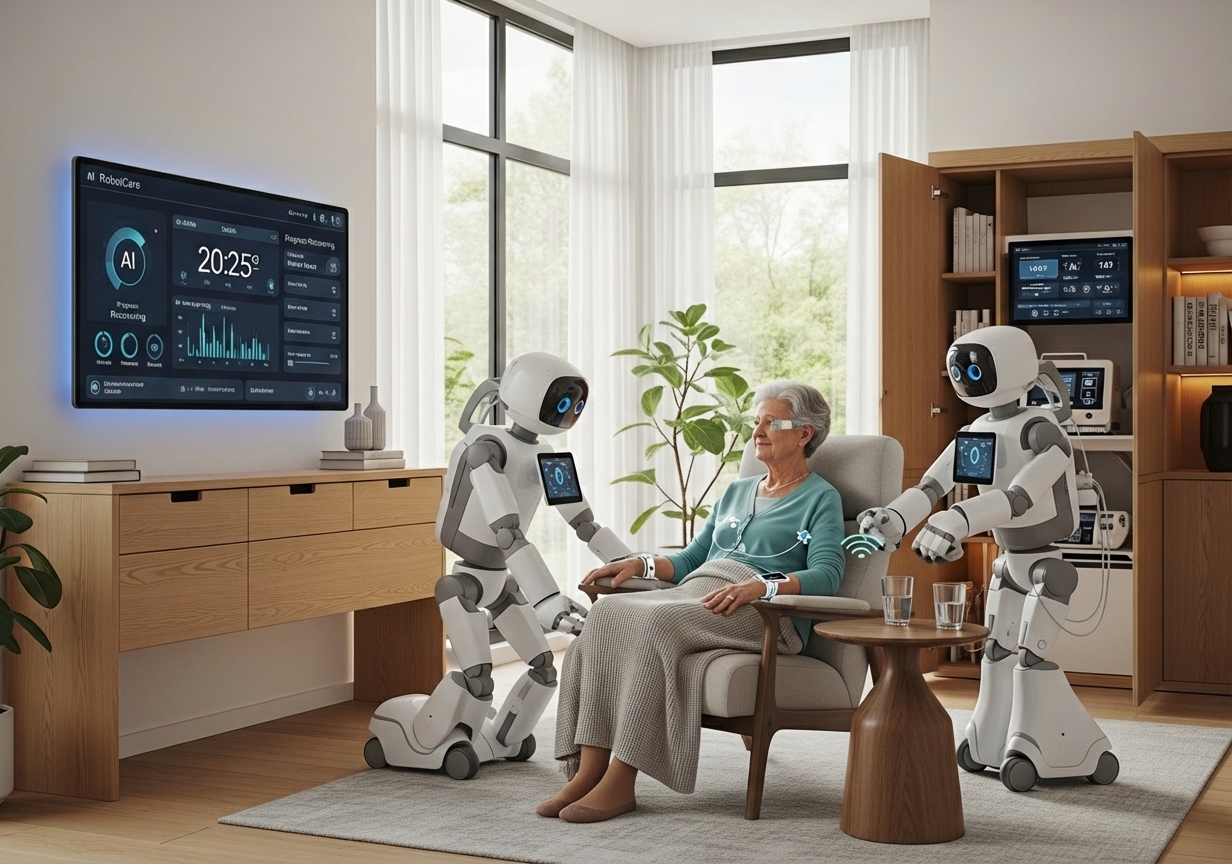
The combination of AI and robotics promises a future where home healthcare is not just reactive but truly predictive and preventive, offering a level of personalized care previously unimaginable.
Navigating the Challenges of In-Home Medical Technology
While the benefits of medical technology in home healthcare are immense, its widespread adoption also presents significant challenges that must be addressed to ensure equitable, safe, and ethical implementation. These include concerns around data security, device usability, health equity, the digital literacy gap, and the overarching issues of cost and reimbursement.
Data Privacy and Cybersecurity
The increased collection and transmission of sensitive health data through connected medical devices raises critical privacy and cybersecurity concerns.
- HIPAA Compliance: In the United States, the Health Insurance Portability and Accountability Act (HIPAA) sets stringent standards for protecting patient health information. Ensuring all home medical technologies and their associated platforms are HIPAA-compliant is paramount.
- Protecting Connected Devices: Each connected device in a patient’s home represents a potential vulnerability. Robust cybersecurity measures are essential to protect these devices from hacking, data breaches, and unauthorized access. This includes secure software development, regular updates, and encryption protocols.
- Data Ownership and Algorithmic Bias: Questions arise about who owns the data generated by these devices and how it is used. Furthermore, AI algorithms, if not carefully designed and trained on diverse datasets, can perpetuate or even amplify existing health disparities, leading to algorithmic bias in diagnosis or treatment recommendations. Ethical considerations demand transparency and accountability in AI development.
Regulation and Ensuring Safety
The rapid pace of innovation in medical technology often outstrips the regulatory frameworks designed to ensure safety and effectiveness.
- FDA Oversight: Regulatory bodies like the U.S. Food and Drug Administration (FDA) play a crucial role in assessing medical devices for safety and efficacy before they can be marketed. This involves rigorous testing and clinical trials. However, the FDA must continuously adapt its processes to evaluate novel technologies, particularly those involving AI and machine learning, which can evolve post-market.
- User-Friendly Design: For home medical technologies to be truly effective, they must be intuitive and easy for patients and caregivers to use, regardless of their technical proficiency. Poor design can lead to misuse, errors, and ultimately, compromised patient safety.
- Health Technology Assessment (HTA): Beyond regulatory approval, Health Technology Assessment (HTA) evaluates the broader implications of medical technologies, including their clinical effectiveness, cost-effectiveness, and ethical, social, and organizational impacts. Organizations like the National Institute for Health and Care Excellence (NICE) in the UK provide guidance on which HealthTech products offer potential value to national health services, ensuring that new technologies are not only safe but also beneficial and sustainable.
Addressing these challenges requires a concerted effort from innovators, regulators, healthcare providers, and patients to build trust and ensure that medical technology improves health outcomes for all.
Conclusion: The Future is at Home
The journey through medical technology in home healthcare reveals a dynamic and rapidly evolving landscape. We’ve seen how digital innovation has transformed basic aids into sophisticated monitoring and therapeutic systems, enabling a proactive approach to health management. From remote patient monitoring and advanced wound care to smart assistive devices and the burgeoning fields of AI and robotics, medical technology is redefining the boundaries of care.
The benefits are profound: empowered patients, improved chronic disease management, reduced hospitalizations, and a more efficient healthcare system. However, we must also diligently steer the challenges of data privacy, cybersecurity, equitable access, and robust regulation to ensure these technologies serve everyone safely and effectively.
The “hospital at home” is no longer a futuristic dream but an increasingly accessible reality. As we look ahead, the continued integration of cutting-edge medical technology into our homes promises a future in which healthcare is more personalized, preventive, and deeply integrated into our daily lives, fostering greater well-being and independence for individuals around the globe.