The Evolution of Women’s Health: Personalization in OB-GYN
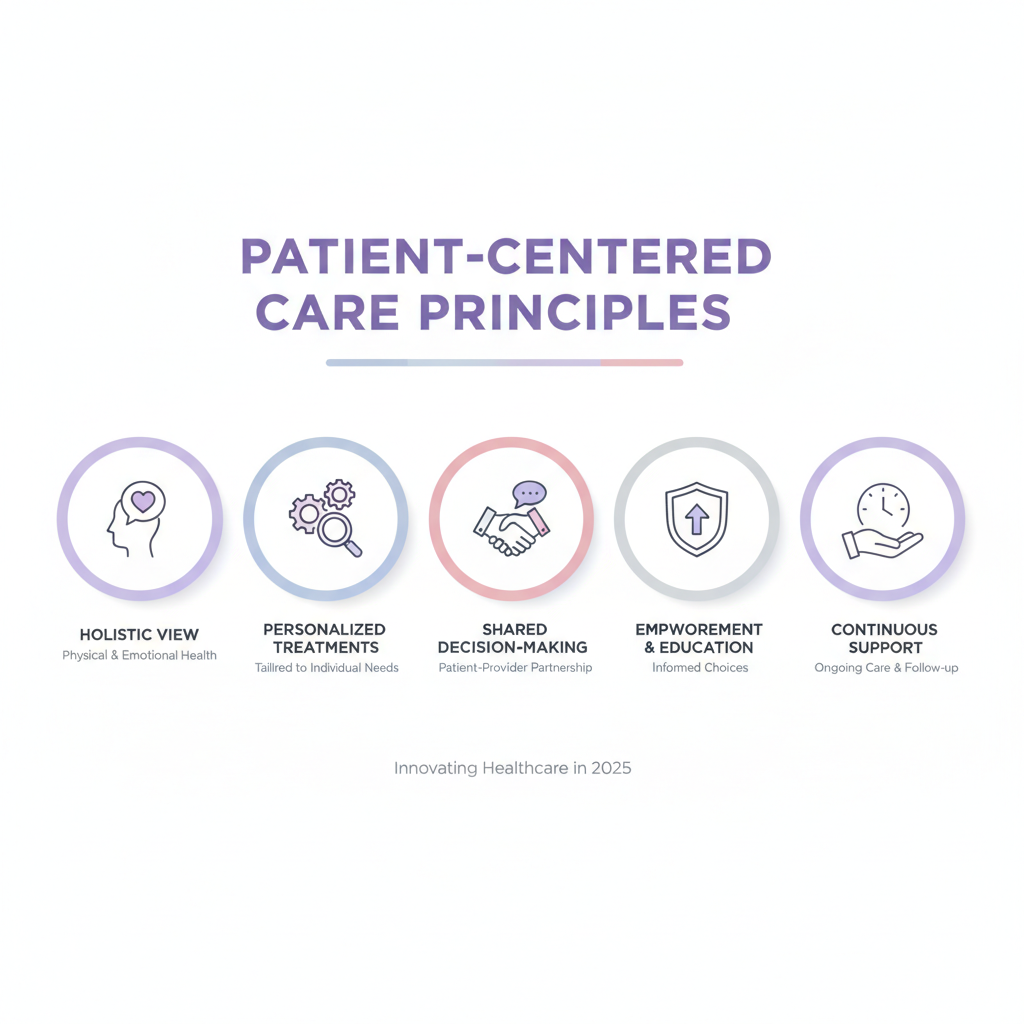
The landscape of women’s health, particularly in menopause management, has undergone a profound change. For decades, a “one-size-fits-all” approach often dictated treatment, largely influenced by broad interpretations of studies like the Women’s Health Initiative (WHI) in 2002. While the WHI study initially raised concerns about hormone therapy (HT), subsequent re-evaluations and new research have led to a much more nuanced understanding. We now recognize that the benefits and risks of HT are highly individualized, depending on factors such as a woman’s age, time since menopause, and overall health history. This shift has paved the way for truly personalized care, moving beyond generic protocols to treatments custom to each woman’s unique needs and preferences, encompassing not just symptom relief but also crucial aspects of sexual wellness and long-term health. This focus on the individual is the foundation of Personalized advanced hormone therapy, which aims to create treatment plans that are both safe and effective for each woman’s specific situation.

Understanding Advanced Medical Practices in Patient Care: The Case of Hormone Therapy
Hormone therapy (HT), often referred to as hormone replacement therapy (HRT), is a prescription treatment designed to replenish the hormones – primarily estrogen and sometimes progesterone – that the body produces less of during and after menopause. It is primarily used to alleviate a wide array of menopausal symptoms, which can significantly impact a woman’s quality of life. These symptoms commonly include hot flashes, night sweats, vaginal dryness, mood swings, sleep disturbances, and joint pain. Beyond symptom relief, HT also offers significant benefits for long-term health, such as bone density preservation and potential cardiovascular advantages when initiated appropriately.
The type of HT recommended depends on several factors, including whether a woman still has her uterus. We distinguish between systemic hormone therapy and local (low-dose) hormone therapy. Systemic HT, delivered via pills, patches, gels, or sprays, is absorbed into the bloodstream and affects the entire body, effectively treating widespread symptoms like hot flashes and night sweats. In contrast, local HT, typically administered through vaginal creams, rings, or tablets, targets specific areas, primarily alleviating genitourinary symptoms such as vaginal dryness, pain during intercourse, and urinary discomfort, with minimal systemic absorption.
Another crucial distinction is between estrogen-only therapy and combined therapy (estrogen plus progestogen/progesterone). For women who have had a hysterectomy (removal of the uterus), estrogen-only therapy is typically prescribed. However, if a woman still has her uterus, progestogen (a synthetic form of progesterone) or micronised progesterone is essential to protect the uterine lining from potential overgrowth caused by estrogen, which could lead to uterine cancer.
Determining the right type and dose of hormone therapy for each individual is a highly personalized process. It involves a comprehensive individual risk assessment, taking into account a woman’s age, health history, and specific symptoms. For instance, systemic hormone therapy is most effective and carries the best safety profile when started within 10 years of menopause or before age 60. Women who begin HT at age 60 or older, or more than 10 years after menopause, may face a higher risk of certain complications, including heart disease, stroke, blood clots, and breast cancer. Therefore, a thorough discussion with your healthcare provider before starting hormone therapy is paramount. This conversation should cover your medical history, family history, current health conditions, lifestyle, and your specific menopausal symptoms and concerns. We work collaboratively with our patients to weigh the benefits against the potential risks, ensuring that the chosen therapy aligns with their health goals and preferences.
Innovations in Treatment Delivery and Formulation
The ways to take hormone therapy have diversified significantly, offering greater flexibility and personalization. The main delivery methods include:
- Pills: Oral tablets are a common and convenient option. However, they are metabolized by the liver, which can increase the risk of blood clots. Research indicates that women who used HRT tablets were 58% more likely to develop a blood clot within 90 days than those who did not use HRT.
- Patches: These are applied to the skin and deliver estrogen directly into the bloodstream, bypassing the liver. This transdermal delivery significantly reduces the risk of blood clots compared to oral forms.
- Gels and Sprays: Similar to patches, these are applied to the skin and offer transdermal delivery, also minimizing blood clot risk. Transdermal HRT (patches, gels, sprays) has shown no increased risk of blood clots.
- Vaginal Products: Creams, rings, and tablets are inserted into the vagina for local relief of genitourinary symptoms. They deliver low doses of estrogen directly to the vaginal tissues with minimal systemic absorption.
The benefits of transdermal delivery methods, such as patches, gels, and sprays, extend beyond lower clot risk. They are often preferred for women with a history of migraines or those with certain cardiovascular risk factors, as they avoid the first-pass metabolism through the liver.
A significant advancement in hormone therapy has been the development of ‘body identical’ or ‘bioidentical’ hormones. These are hormones that have the exact same molecular structure as the hormones naturally produced by the human body. While many products are plant-derived, only those with the identical molecular structure are truly body-identical. They are often perceived as being safer or more effective because they mimic the body’s natural hormones more closely, potentially leading to fewer side effects. For instance, 17β-oestradiol (the main estrogen) delivered transdermally and micronised progesterone (a body-identical progesterone) are examples of such formulations. Micronised progesterone, in particular, has been shown to have no increased breast cancer risk for the first five years of use compared with older, synthetic progestogens. However, it’s crucial to differentiate between FDA-approved body-identical hormones and custom-compounded bioidentical hormones, which are not regulated by the FDA and may have inconsistent dosing and unproven safety.
In some cases, testosterone may be used as part of hormone therapy for women, particularly when libido, energy, motivation, or cognitive function remain low despite adequate estrogen and progesterone therapy. While not officially licensed for menopausal symptoms in women in all regions, it can be prescribed off-label by specialists, typically in low-dose gel or cream formulations.
Advancing Sexual Wellness and Pelvic Health
Menopause can bring significant challenges to sexual wellness and pelvic health, including vaginal atrophy, low libido, and urinary incontinence. Vaginal atrophy, or genitourinary syndrome of menopause (GSM), results from the thinning, drying, and inflammation of the vaginal walls due to declining estrogen levels. This can lead to discomfort, itching, and pain during intercourse.
While systemic and local hormone therapies are effective, innovations in non-hormonal treatments are also emerging. Advanced therapies, sometimes referred to as REGENmax, focus on non-surgical revitalization of vaginal and pelvic tissues. These include technologies like REGENwave® shockwave therapy and REGENlase® laser treatments, which aim to stimulate the body’s natural healing processes and promote new tissue growth by leveraging tissue regenerative factors (TRF). These procedures can improve vaginal lubrication, elasticity, and overall function, offering solutions for women who cannot or prefer not to use hormone replacement therapy. When combined with appropriate hormone replacement therapy (HRT), these approaches can lead to significantly increased sexual function and comfort, enhancing the overall quality of life for many women.
Expanding Access and Innovation in Mental Healthcare
The field of mental healthcare is also experiencing a profound change, driven by technological advancements and a growing recognition of the need for culturally competent and accessible care. We are seeing a shift towards integrating digital therapeutics, expanding telehealth services, and developing specialized support systems for diverse populations, all contributing to a more comprehensive and patient-centered approach to global mental health.

The Rise of Telehealth in Mental Wellness
Telehealth has revolutionized access to mental wellness services, breaking down geographical and logistical barriers that once prevented many from seeking help. The benefits are numerous:
- Accessibility: Individuals in rural areas or those with mobility challenges can easily connect with mental health professionals.
- Convenience: Virtual consultations eliminate commute times and offer scheduling flexibility, making it easier to fit therapy into busy lives.
- Reduced Stigma: For some, accessing mental health support from the privacy of their own home can feel less intimidating than visiting a physical clinic, reducing perceived stigma.
- Digital Platforms: Secure online platforms facilitate virtual consultations, allowing for continuous support and follow-up care. By bridging care gaps, telehealth ensures that more people can receive timely and consistent mental health support, which is crucial for overall well-being.
Specialized Support for Global Communities
For expatriates and individuals living abroad, navigating mental health challenges can be particularly complex. They often face unique stressors related to cultural adjustment, language barriers, and separation from established support networks. Finding appropriate care in a new country that understands these specific challenges is vital. Specialized services that offer cross-cultural psychology and support for English-speaking individuals are invaluable in these contexts. For those seeking such specialized care, support for English-speaking expat mental health is essential, ensuring that global communities have access to mental health professionals who understand their unique experiences and can communicate effectively in their native language.
The Future of Advanced Medical Practices
The future of medicine promises even greater personalization and precision, driven by rapid advancements in technology and scientific understanding. We envision a healthcare landscape where AI in diagnostics, genetic medicine, and regenerative therapies converge to create highly individualized treatment plans. This future empowers patients, offering data-driven insights and predictive analytics to proactively manage health and prevent disease.

Precision and Progress in Neurosurgery and Pain Management
Chronic pain can be debilitating, significantly impacting a person’s quality of life. Traditional pain management often involves medication or invasive surgical procedures. However, the field of neurosurgery has seen remarkable progress in neuromodulation techniques, offering more precise and less invasive alternatives. Spinal Cord Stimulation (SCS), for instance, involves implanting a small device that delivers mild electrical pulses to the spinal cord, altering nerve activity and reducing pain signals. These targeted therapies represent a significant leap forward in managing complex, chronic pain conditions.
A Focus on Advanced Medical Practices for Targeted Pain
Among the most innovative neuromodulation techniques is Dorsal Root Ganglion (DRG) stimulation. The DRG is a cluster of nerve cells located along the spinal cord that plays a crucial role in transmitting pain signals. By specifically targeting the DRG, this therapy can provide highly effective pain relief for focal pain conditions, such as chronic pain in the foot, groin, or knee, which may not respond well to traditional SCS. Outcomes with DRG stimulation have shown improved efficacy and patient satisfaction compared to conventional SCS for certain types of neuropathic pain. Patient selection is key, with specialists carefully evaluating individuals to determine if they are suitable candidates for this advanced treatment. For those interested in learning more about these cutting-edge interventions, detailed information on Advanced DRG Medical Practices can provide further insights into how these therapies are changing pain management.
Restoring Function and Quality of Life
Beyond pain management, advanced medical practices are also making strides in restoring function and improving quality of life in other critical areas, particularly sexual health. For men, issues like erectile dysfunction (ED) and pelvic health concerns can have a profound neurological impact on sexual function. Innovations such as REGENmax for men, incorporating REGENwave® shockwave therapy and REGENlase® laser treatment, are designed to revitalize tissues and improve blood flow. Additionally, proprietary formulas like HEshot® and comprehensive hormone optimization strategies are being used to address underlying hormonal imbalances that contribute to sexual dysfunction. These integrated approaches aim to not only treat the symptoms but also restore confidence and improve overall well-being.
Frequently Asked Questions about Advanced Medical Practices
What defines a medical practice as “advanced”?
An advanced medical practice is characterized by its commitment to patient-centered, personalized care, utilizing the latest evidence-based research, innovative technologies, and custom treatment protocols over one-size-fits-all approaches. It emphasizes a holistic view of the patient, integrating various specialties to optimize outcomes.
How do I know if a personalized treatment is right for me?
The decision should always be made in close consultation with a qualified healthcare specialist who can assess your unique health profile, medical history, and treatment goals to weigh the potential benefits against the risks. This involves a thorough diagnostic process and an open discussion about all available options, including alternatives.
Are advanced treatments always more expensive?
While some advanced therapies may have a higher initial cost, they can often provide greater long-term value by offering more effective outcomes, reducing the need for further interventions, and improving overall quality of life. Additionally, some advanced treatments may be covered by insurance, depending on the specific therapy and your plan. It’s important to discuss costs and coverage with your provider and insurance company.
Conclusion
We stand at the cusp of a new era in healthcare, one defined by patient-centered innovation and a deep commitment to personalized medicine. From the nuanced management of hormone therapy in OB-GYN to the expanded accessibility of mental health services through telehealth and the precision of neuromodulation in neurosurgery, the focus is unequivocally on the individual. We believe that the future of medicine lies in a collaborative partnership between patients and providers, where advanced medical practices are custom to unique needs, offering precise, participatory healthcare solutions. This holistic approach brings renewed hope for managing complex conditions and ultimately, for enhancing the quality of life for all.