
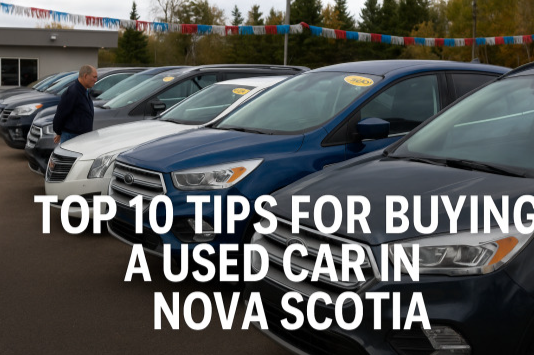
Buying a used car in Nova Scotia can be a smart financial decision,if you know what to look for. Between unpredictable weather conditions and a rapidly shifting vehicle market, it pays to do your homework. Whether you’re purchasing from a private seller in Halifax or browsing Carlantic
or other online platforms, these 10 tips will help you buy confidently and avoid costly mistakes.
1. Set a Realistic Budget
Start by calculating your total budget, not just the purchase price. Include registration, insurance, taxes, inspection fees, and potential repairs. Used car prices in Nova Scotia vary widely depending on the model year, mileage, and vehicle condition, so set an upper limit and stick to it.
Tip: Don’t drain your entire budget. Leave 10–15% as a buffer for post-purchase maintenance.
2. Decide Between Dealer and Private Seller
Buying from a licensed dealer offers more protection, but private sales may give you more room to negotiate. Dealers must provide a Motor Vehicle Inspection (MVI) certificate and follow consumer protection laws. Private sellers aren’t held to the same legal standards.
If you’re exploring options outside Nova Scotia, some used car dealers Newfoundland
also ship across provinces. Just be sure to verify inspection standards and import logistics.
3. Check the Vehicle’s History
Always ask for a full vehicle history report. Services like CARFAX Canada will tell you if the vehicle has been in an accident, has liens against it, or has been used as a rental. This is non-negotiable when evaluating cars in rust-prone regions like Nova Scotia.
Key Red Flags:
Rebuilt or salvage title
Major structural damage
Odometer rollback
Frequent ownership turnover
4. Inspect for Rust and Winter Damage
Nova Scotia’s coastal climate and salted winter roads create prime conditions for rust,especially under the car. Frame corrosion, brake line damage, and rusted wheel wells are all common. If you’re not mechanically inclined, book a pre-purchase inspection with a trusted garage.
5. Verify Motor Vehicle Inspection (MVI)
In Nova Scotia, all vehicles must pass a safety inspection every two years. Make sure the used car comes with a valid MVI sticker, and check the expiry date. Some sellers offer “as-is” deals to avoid reinspection,proceed with caution.
Bonus Tip: Ask for the inspection report, not just the sticker. It will detail potential issues.
6. Understand Nova Scotia’s Tax Rules
Expect to pay 15% HST on used vehicles purchased from a dealer or calculated from the Red Book value (whichever is higher) in private sales. This is collected when you register the vehicle at Access Nova Scotia.
Avoid surprises: If you negotiate a great price, you might still pay tax based on a higher market value.
7. Take It for a Long Test Drive
Drive at various speeds, test highway performance, check for rattling noises, test all lights and indicators, and don’t forget to try reverse. If the seller rushes you or restricts the test drive, that’s a red flag.
Checklist:
Brakes feel firm
No pulling to one side
Steering is responsive
Transmission shifts smoothly
No warning lights
8. Compare Market Prices
Before committing, compare similar vehicles across listings on sites like Kijiji Autos, Carlantic, and AutoTrader. Note patterns in mileage, trim level, and pricing. If a listing seems too cheap, there’s probably a reason.
Use Nova Scotia–based search filters to stay within provincial regulations.
9. Avoid Curbsiders
A curbsider is an unlicensed seller posing as a private owner. They often flip multiple vehicles without disclosing issues. Signs of curbsiders include vague answers, refusal to meet at home, or seller names that don’t match the ownership documents.
To be safe:
Ask to see ID and compare it to registration.
Check seller’s phone number or email across platforms for multiple listings.
10. Finalize Paperwork and Transfer Safely
When purchasing privately, both buyer and seller must complete the Bill of Sale and Transfer of Ownership sections of the permit. Bring ID and proof of insurance to Access Nova Scotia when registering the vehicle.
For dealer purchases, ensure:
Warranty terms are documented
Financing disclosures are clear
Conclusion
Nova Scotia’s used car market offers great opportunities, but only if you approach it with due diligence. From understanding MVI rules to avoiding hidden rust traps, a cautious buyer is a smart buyer. Whether you’re shopping locally or comparing with used car dealers Newfoundland, apply these tips to make your next used car purchase reliable, legal, and worth the investment.
FAQs
Do I need insurance before buying a used car in Nova Scotia?
Yes. You must have valid insurance to register and plate the vehicle. Temporary permits may require proof as well.
Is buying from a dealership safer than a private sale?
In general, yes. Dealerships must follow consumer protection laws and provide inspection certificates. Private sales are riskier but can offer lower prices.
Can I negotiate with used car dealers in Nova Scotia?
Absolutely. Negotiating is expected,especially on trade-ins, extended warranties, or admin fees.
What if the car fails inspection after purchase?
If you bought the vehicle “as-is” from a private seller, repairs are your responsibility. If it was purchased from a dealer with a recent MVI, you may have legal recourse under warranty or provincial consumer laws.