
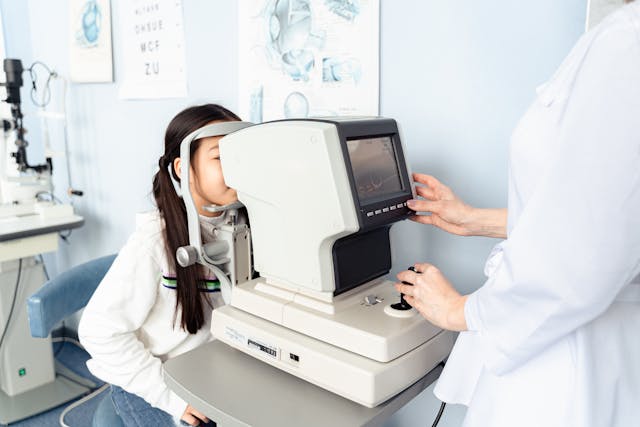
The healthcare industry is witnessing a transformative shift as innovative home-based services reshape how we approach essential medical care, with eye health leading this accessibility revolution. Traditional barriers to vision care—lengthy appointment wait times, transportation challenges, work schedule conflicts, and clinical anxiety—are being dismantled by professional home eye testing services that bring comprehensive vision assessments directly to patients’ homes. Recent studies indicate that over 6 million people in the UK have not had an eye test in the past two years, with convenience and accessibility being the primary obstacles preventing regular vision care. This alarming statistic highlights a critical healthcare gap that home eye testing services are uniquely positioned to address, offering professional-grade examinations in comfortable, familiar environments while maintaining the highest standards of optometric care.
Understanding the Modern Vision Care Challenge
Digital Age Eye Health Concerns
Contemporary lifestyles present unprecedented challenges for eye health that require more frequent professional monitoring than ever before. The average person now spends over 10 hours daily interacting with digital devices, from smartphones and tablets to computer screens and smart televisions. This extensive screen exposure contributes to digital eye strain, accelerated myopia progression in children and adults, and premature development of age-related vision conditions.
Blue light exposure from digital devices, combined with reduced blinking rates during screen use, creates dry eye syndrome and visual fatigue that can significantly impact quality of life and productivity. These modern vision challenges require regular professional assessment to detect early changes and implement appropriate interventions before problems become severe or irreversible.
Environmental and Lifestyle Factors
Urban environments introduce additional stressors to visual health through increased air pollution exposure, harsh artificial lighting in workplaces, and reduced outdoor time that affects natural vision development. These environmental factors, combined with dietary changes, stress levels, and sedentary lifestyles, create complex interactions that influence eye health in ways that require professional monitoring and guidance.
The aging population also faces increased rates of diabetes, hypertension, and other systemic conditions that directly impact eye health, making regular vision monitoring crucial for early detection of diabetic retinopathy, glaucoma, and other sight-threatening conditions that can develop without obvious symptoms.
The Science Behind Home Eye Testing
Advanced Portable Technology
Modern home eye testing utilizes sophisticated portable equipment that delivers comprehensive vision assessments with accuracy comparable to traditional clinic-based examinations. State-of-the-art portable autorefractors, digital retinal imaging systems, tonometers for intraocular pressure measurement, and computerized visual field analyzers enable qualified optometrists to conduct thorough evaluations in residential settings.
These technological innovations represent significant advances in equipment miniaturization and calibration accuracy, ensuring that portable instruments maintain the same diagnostic capabilities as their larger clinical counterparts. Digital integration capabilities allow for real-time data analysis, image enhancement, and consultation with specialist colleagues when complex conditions require additional expertise.
Comprehensive Assessment Protocols
Professional home eye testing follows the same rigorous protocols as traditional clinic examinations, including detailed case history taking, visual acuity assessment, refraction testing, eye health evaluation, and screening for common conditions like glaucoma, cataracts, and macular degeneration. The extended time available during home visits often allows for more thorough assessments than busy clinic schedules permit.
Digital documentation systems ensure that all findings are properly recorded, analyzed, and integrated with existing medical records when appropriate. This comprehensive approach supports continuity of care while providing patients with detailed understanding of their vision health status and any recommended interventions or monitoring schedules.
Revolutionary Benefits of Home Eye Testing
Unparalleled Convenience and Accessibility
Home eye testing eliminates virtually all barriers to regular vision care by bringing professional services directly to patients’ homes at times convenient for their schedules. This approach is particularly beneficial for elderly patients, individuals with mobility limitations, busy professionals, parents with young children, and anyone who struggles with traditional clinic access due to transportation, scheduling, or anxiety issues.
The flexibility to schedule examinations during evenings, weekends, or other non-traditional times accommodates diverse lifestyle needs and work commitments that might otherwise prevent regular eye care. This convenience often results in improved compliance with recommended follow-up care and enables more frequent monitoring when necessary.
Enhanced Patient Comfort and Communication
The familiar, relaxed environment of home settings often reduces anxiety and allows patients to communicate more openly about their vision concerns, lifestyle factors affecting eye health, and specific challenges they face in daily activities. This enhanced communication leads to more personalized care recommendations and better patient understanding of their vision health needs.
Children particularly benefit from home eye testing as familiar environments reduce fear and anxiety that can interfere with accurate vision assessment. Parents can observe the entire examination process, better understand their children’s vision needs, and receive detailed guidance about supporting healthy vision development.
Comprehensive Family Care
Home eye testing enables efficient care for entire families during single visits, making it practical to maintain regular checkups for multiple family members without the logistical challenges of coordinating separate clinic appointments. This approach often reveals hereditary vision patterns and enables coordinated care strategies that benefit all family members.
For individuals exploring this innovative approach to vision care, comprehensive home eye test services provide professional expertise, advanced technology, and personalized attention that makes regular eye health monitoring convenient and accessible for everyone.
Specialized Applications of Home Eye Testing
Pediatric Vision Development
Early detection of vision problems in children is crucial for academic success, social development, and overall quality of life. Home eye testing provides an ideal environment for pediatric vision assessment, as children are typically more relaxed and cooperative in familiar surroundings, leading to more accurate results.
Common childhood vision problems like amblyopia (lazy eye), strabismus (crossed eyes), and refractive errors can be detected early through home testing, enabling prompt intervention that can prevent permanent vision impairment. The convenience of home testing also makes it easier to maintain regular monitoring during critical developmental periods when vision changes occur rapidly.
Adult Professional Vision Care
Working adults often struggle to maintain regular eye care due to demanding schedules and work commitments that conflict with traditional clinic hours. Home eye testing provides a solution that accommodates professional responsibilities while ensuring essential vision monitoring continues without interruption.
Occupational vision concerns, including computer vision syndrome, exposure to industrial hazards, and age-related vision changes that affect work performance, can be thoroughly assessed and addressed through home visits that include detailed workplace vision consultations and personalized recommendations.
Senior Eye Health Management
Elderly patients face unique challenges in accessing traditional eye care, including transportation difficulties, mobility limitations, multiple medical conditions, and complex medication regimens that can affect vision. Home eye testing eliminates these barriers while providing comprehensive attention to age-related vision changes and their impact on daily living activities.
Conditions like cataracts, glaucoma, macular degeneration, and diabetic retinopathy become increasingly common with age and require regular monitoring to prevent vision loss. Home testing ensures that aging patients receive necessary care regardless of physical limitations or transportation challenges.
Quality Assurance and Professional Standards
Regulatory Compliance and Certification
Professional home eye testing services operate under strict regulatory oversight, with qualified optometrists maintaining registration with the General Optical Council and adhering to established clinical protocols and safety standards. Equipment calibration, professional development requirements, and quality assurance measures ensure that home-based care meets the same standards as traditional clinic services.
Comprehensive documentation, appropriate referral pathways, and integration with existing healthcare teams ensure continuity of care and proper management of complex conditions that may require specialist intervention or ongoing monitoring.
Technology Validation and Accuracy
Portable eye testing equipment undergoes rigorous validation testing to ensure accuracy and reliability comparable to traditional clinic instruments. Regular calibration schedules, quality control measures, and ongoing technology updates maintain diagnostic precision while incorporating the latest advances in optometric assessment techniques.
Frequently Asked Questions
How accurate are home eye tests compared to traditional clinic examinations?
Home eye tests using professional-grade portable equipment can achieve accuracy levels equivalent to traditional clinic examinations when performed by qualified optometrists. Modern portable instruments are calibrated to the same standards as clinic equipment and provide comprehensive diagnostic capabilities for most vision and eye health assessments.
What types of eye conditions can be detected during home eye testing?
Home eye testing can detect the majority of common vision problems and eye health conditions, including refractive errors, glaucoma, diabetic retinopathy, macular degeneration, cataracts, dry eye syndrome, and various other conditions affecting vision and eye health. Advanced portable technology enables thorough retinal imaging and pressure measurements essential for comprehensive assessment.
Is home eye testing suitable for children and elderly patients?
Yes, home eye testing is often ideal for both children and elderly patients. Children tend to be more relaxed and cooperative in familiar home environments, leading to more accurate assessments. Elderly patients benefit from eliminating transportation barriers and receiving care in comfortable surroundings that accommodate mobility limitations and other age-related considerations.
How often should I schedule home eye examinations?
Examination frequency depends on age, existing conditions, family history, and individual risk factors. Generally, children should have annual examinations, adults need comprehensive testing every 1-2 years, and individuals with diabetes, glaucoma, or other conditions may require more frequent monitoring. Your optometrist will recommend an appropriate schedule based on your specific circumstances.
Are home eye testing services covered by insurance?
Insurance coverage varies depending on your specific policy and circumstances. Some private insurance plans cover home eye testing, particularly for patients with mobility limitations or medical conditions that make clinic visits difficult. NHS coverage may be available in certain situations. It’s advisable to check with your insurance provider about coverage options and requirements.
Conclusion
Home eye testing represents a revolutionary advancement in healthcare accessibility that eliminates traditional barriers to essential vision care while maintaining the highest professional standards. This innovative approach ensures that geographical location, mobility challenges, work schedules, and other life circumstances no longer prevent people from receiving regular eye health monitoring and vision correction services.
The combination of advanced portable technology, professional expertise, and personalized attention creates an optimal environment for comprehensive vision care that adapts to individual needs and lifestyles. As more people discover the convenience and quality of home eye testing, this approach will likely become an integral component of preventive healthcare delivery.
For individuals and families seeking accessible, professional eye care that accommodates modern lifestyle demands without compromising quality, home eye testing offers an innovative solution that prioritizes both convenience and comprehensive care. This evolution in vision healthcare ensures that everyone can access the regular monitoring essential for maintaining optimal eye health and quality of life throughout all stages of life.