
Hospitals around the world face cybersecurity hacks frequently, with 67% of healthcare facilities being affected by ransomware in 2024. This alarming statistic highlights the urgent need for robust cybersecurity measures in the healthcare sector. China reported a 6% increase in cybersecurity attacks in 2025, indicating a troubling trend that is not limited to any one region. Specific legislation has been introduced to combat these threats, including the NIS2 Directive, a European law aimed at regulating high-level cybersecurity standards across member states. Additionally, the KRITIS Regulation serves as a German legal framework designed to protect crucial infrastructures and enhance the resilience of essential services. Norway’s time-based policy for delivering blood products to wards within 15 minutes or less exemplifies how timely interventions can save lives and improve patient outcomes.
Financial default in hospitals is a significant concern, with one in five hospitals facing such challenges. In Australia, Victorian public hospitals operate with major deficits exceeding $1 billion, a situation that strains resources and affects patient care. Many hospitals in Europe are not only grappling with financial deficits but also facing severe shortages of nursing staff. The suggested ratio of nurses to 100,000 occupants is 20,000; however, places like Germany and Finland have roughly 1,200 nurses, which is far below the recommended levels. It’s suggested to have one nurse for every five patients, but nurses commonly see eleven patients per day, which severely limits their ability to provide adequate and personalized care to each individual. This imbalance can lead to burnout among nursing staff and ultimately affects the quality of care delivered to patients.
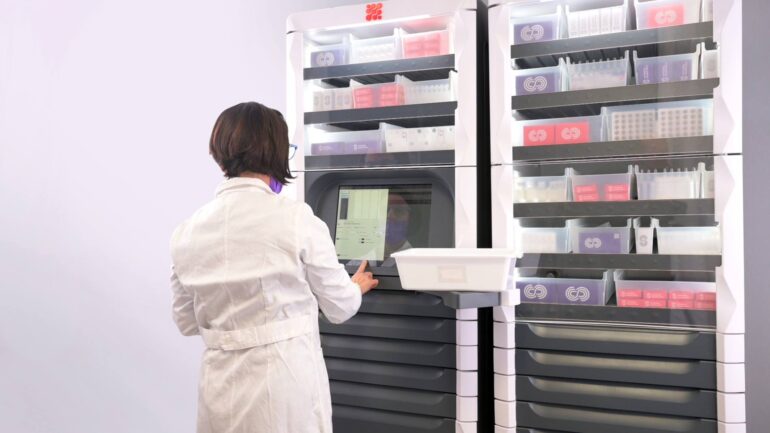
To address these challenges, hospitals are increasingly turning to safe, secure, and updated software designed to aid healthcare workers in the efficient delivery of critical items such as blood products, documents, IV bags, and more. One innovative solution is the pneumatic tube system, which can deliver items up to seven times faster than a human courier. This technology not only streamlines operations but also reduces the time healthcare professionals spend on non-clinical tasks, allowing them to focus more on patient care. Users can simply type in the destination of the carrier on a touchscreen interface and retrieve secure carriers with a quick badge tap. Furthermore, the system is equipped with features that monitor for maintenance issues and troubleshoot with remote monitoring alerts, making the delivery of high-value items both easy and efficient.
High-level infrastructure upgrades to modern hospitals bring them the greater possibility of implementing advanced systems like the pneumatic tube system. These upgrades are essential not only for improving operational efficiency but also for enhancing patient safety and care quality. As hospitals invest in modern technology, they can better manage their resources, reduce wait times for critical supplies, and ultimately improve patient outcomes. The integration of such technologies is a step towards a more resilient healthcare system that can withstand the pressures of both financial constraints and cybersecurity threats.
In conclusion, the intersection of modern technology and healthcare is paving the way for enhanced efficiency and safety. As hospitals continue to adopt these innovations, they will be better equipped to handle the challenges of today and tomorrow. The focus on cybersecurity, financial stability, and staff efficiency will not only benefit healthcare providers but also ensure that patients receive the highest standard of care possible.

Source: Swisslog