
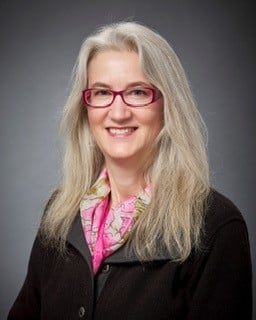
When 10-year-old Marco walked into Dr. Alexandra Adams’s medical office in 2015, his mother could barely get through the intake questions before breaking down in tears. Asked when her son first began gaining weight, she answered with four words that would help reshape Adams’s entire approach to pediatric medicine: “When his dad left us.”
For Adams, a physician specializing in childhood obesity, that moment crystallized a truth that mainstream medicine had long overlooked. The children sitting in her exam room weren’t struggling because they lacked information about nutrition or exercise. They were struggling because something fundamental had been disrupted in their lives—something no prescription or meal plan could address.
That realization set Adams on a research path that would eventually bridge two seemingly disparate worlds: cutting-edge Western medical science and ancient Indigenous wisdom. What she discovered challenges nearly everything the medical establishment teaches about chronic disease prevention.
The Real Roots of Adult Disease
While working alongside the Menominee Nation in Wisconsin to investigate their elevated rates of heart disease and diabetes, Adams and her community partners began asking different questions. Instead of focusing solely on diet and activity levels, they dug deeper into the social and emotional factors shaping health outcomes.
Their inquiry coincided with emerging research on adverse childhood experiences—traumatic events that occur before age 18. The data revealed a troubling pattern: individuals who experienced multiple childhood traumas were two to three times more likely to develop diabetes, heart disease, addiction, and depression as adults.
“The diseases that we’re treating in adulthood actually begin in childhood,” Adams explains. This insight fundamentally shifts the timeline of prevention from middle age back to the earliest years of life.
What New Zealand Taught an American Doctor
The breakthrough in Adams’s understanding came from an unexpected source. When she and one of her Menominee colleagues were invited to present her trauma and chronic disease research to Māori communities in New Zealand, she witnessed something that Western medicine had no framework to explain.
The Maori were actively reclaiming their ancestral language, cultural practices, and embodied traditions. Children were learning Haka—traditional songs and dances—and reconnecting with their heritage. These connections to land and culture were improving health.
Over her 28 years working with Indigenous communities as both researcher and physician, Adams identified the common thread: a profound connection to family, community, and the natural world. She calls it belongingness—and she believes it’s something all humans share, even if modern society has caused many to forget it.
Beyond Diet and Exercise
In contemporary health discourse, the conversation rarely strays from calories, macros, and minutes of physical activity. Adams argues this narrow focus misses what children truly need: to feel safe, loved, and connected.
“We spend enormous amounts of energy talking about diet and exercise, but very few people are talking about belonging,” she says.
This insight led Adams to develop Turtle Island Tales, a program that brings Indigenous wisdom to families with young children, educators, and entire communities. Over the past decade, the initiative has helped more than a thousand families build what researchers call positive childhood experiences—the protective factors that buffer against trauma and improve long-term health outcomes.
The program represents a practical application of belongingness: creating environments where children experience consistent connection, cultural grounding, and community support.
A New Medicine for Chaotic Times
Adams’s mission extends beyond any single intervention or research finding. She aims to bridge Indigenous and Western approaches to create what she calls “hope and healing and belonging in these chaotic times.”
The implications reach far beyond pediatric obesity or even chronic disease prevention. When children develop a genuine sense of belonging—when they know at a cellular level that they are connected, valued, and part of something larger than themselves—the effects ripple across their entire lifespan.
Adams doesn’t view this as simply changing a child’s trajectory or improving their future health markers, though those outcomes matter. She sees it as transforming the fundamental experience of being human in a fragmented world.
And while her work began with children like Marco, Adams is clear that belongingness isn’t just pediatric medicine. “It’s medicine for all of us,” she says—a remedy for the disconnection epidemic affecting people at every age and stage of life.
In an era when chronic disease rates continue climbing despite unprecedented access to health information, Adams offers a different prescription: remember that we belong. To each other, to our communities, to the natural world, and to traditions that understood these connections long before modern medicine learned to measure their effects.