

Immediate Crisis Intervention and 24/7 Helplines
 More than a billion people globally live with a mental health condition. This large number shows how vital mental well-being is for everyone. In April 2026, the ways we find support are always getting better. We see new tools and a deeper understanding of mental health needs.
This guide will help you understand the many options available for mental health support. We will explore everything from immediate crisis help to finding long-term care. We will also look at how technology, like telehealth and AI, is changing the way we get support. Our goal is to connect you with the resources you need to thrive. This includes finding comprehensive care, such as Free addiction and mental health support.
We want to show you how to navigate this important journey. Mental health affects how we think, feel, and act every day. Knowing where to turn for help can make a significant difference in our lives.
When a mental health crisis strikes, immediate access to support can be life-saving. Fortunately, in 2026, several dedicated helplines offer confidential, 24/7 assistance, ensuring that help is always just a call, text, or chat away.

The 988 Suicide & Crisis Lifeline stands as a cornerstone of immediate mental health support in the United States. Available 24/7, 365 days a year, this national lifeline provides free and confidential support for individuals experiencing emotional distress or suicidal crisis. When you reach out to 988, your call, text, or chat is automatically routed by area code to the nearest crisis center. Here, you can expect to connect with skilled, judgment-free counselors who offer compassionate, one-on-one assistance. The 988 Lifeline also offers services in Spanish, extending its reach to a broader community. This accessible national hotline has been instrumental in providing immediate emotional support, and statistics suggest that youth suicides have seen a decline following its establishment. We encourage anyone needing emotional support to reach out to the national mental health hotline: 988.
Beyond the general 988 service, specialized crisis lines cater to specific populations and situations:
- Veterans Crisis Line: For our nation’s veterans, a dedicated service is available. Veterans can connect with crisis responders, many of whom are veterans themselves, by calling 988 and pressing 1, or by texting 838255. This ensures tailored support that understands the unique challenges faced by service members. Facilities like the VA Long Beach Healthcare System often work in conjunction with these national resources to provide comprehensive care.
- Disaster Distress Helpline: In the wake of natural or human-caused disasters, the emotional toll can be immense. The SAMHSA Disaster Distress Helpline (1-800-985-5990) offers 24/7 crisis counseling for people experiencing emotional distress related to disasters. This service is also accessible to individuals who are deaf or hard of hearing, offering ASL support via videophone.
- Maternal Mental Health Hotline: New and expecting parents can face significant mental health challenges. The Maternal Mental Health Hotline (1-833-TLC-MAMA) provides 24/7 free, confidential support and resources for pregnant and postpartum individuals.
It’s crucial to remember that in life-threatening situations where there’s an immediate danger to oneself or others, calling 911 or going to the nearest emergency room remains the most appropriate course of action. These immediate crisis intervention services are designed to provide a critical safety net, offering a vital first step towards recovery and well-being.
Navigating the Landscape of Mental Health Support in 2026
Finding the right mental health support can feel overwhelming, but in 2026, numerous tools and directories simplify the process, helping individuals locate providers and treatment centers tailored to their needs.

National directories serve as excellent starting points. FindTreatment.gov, managed by the Substance Abuse and Mental Health Services Administration (SAMHSA), is a comprehensive online resource that allows you to search for mental health and substance use treatment facilities across the United States. Similarly, SAMHSA’s National Helpline, reachable at 1-800-662-HELP (4357), offers free, confidential, 24/7 treatment referral and information services in multiple languages and with ASL support. These platforms are invaluable for anyone seeking assistance, including those exploring options for Free addiction and mental health support. For a broader understanding of available resources, the National Institute of Mental Health (NIMH) provides extensive guidance on where to find help for mental illnesses, emphasizing the importance of informed choices: Help for Mental Illnesses – National Institute of Mental Health (NIMH).
For those seeking localized support, state-specific resources are often available. For instance, the Wyoming Behavioral Health Division oversees programs and grants designed to provide accessible and affordable client services within the state, often prioritizing the least restrictive environments. They offer county-by-county directories, detailing contact information for local providers. In Albany County, for example, organizations like Volunteers of America provide essential services. Across the country, many local centers, such as HMS Mental Health Dept, Spectracare Health Systems, and Pathways Carter County Outpatient, offer community-based care that integrates mental health with substance use treatment.
Here’s a brief comparison of national directories and state-specific resources:
Feature National Directories (e.g., FindTreatment.gov, SAMHSA Helpline) State-Specific Resources (e.g., Wyoming Behavioral Health Division) Scope Broad, nationwide coverage Focused on services within a particular state Accessibility Often 24/7 helplines, online search tools Varies by state, typically online directories and state hotlines Provider Detail Extensive listings of treatment centers and services Detailed county-by-county provider information Specific Programs General mental health and substance use treatment May include unique state-funded programs or grants Contact Methods Phone, online search, sometimes chat Phone, address, website for local providers Digital Tools for Mental Health Support
The landscape of mental health care is rapidly evolving, with digital tools playing an increasingly vital role in accessibility and delivery. Telehealth has transformed how many individuals access mental health services, offering convenience and flexibility. Platforms dedicated to Telehealth mental health support allow individuals to connect with licensed professionals from the comfort of their homes, breaking down geographical barriers and reducing stigma associated with in-person visits. This digital transformation of mental health services, as highlighted by studies from organizations like NIH, is not just about convenience but also about expanding reach and improving outcomes: Digital transformation of mental health services – PMC – NIH.
Beyond virtual therapy sessions, artificial intelligence (AI) is beginning to enhance mental health care. AI-powered tools, such as those used in AI-powered mental health EHR systems, are streamlining administrative tasks for practitioners, allowing them to focus more on patient care. These systems can help with data analysis, personalize treatment plans, and even assist in identifying early warning signs of mental health conditions. While AI is still an emerging field in direct patient interaction, its potential to optimize processes and improve care coordination is immense.
The rise of digital platforms also influences how mental health professionals connect with clients. SEO strategies for therapists, as discussed in guides like SEO for Therapists: A 2026 Guide for Counselors & Mental Health … and SEO Tips for Mental Health Professionals to Boost Practice, are becoming crucial for practices to be visible to those seeking help online. Furthermore, organizations like NAMI host virtual town halls, leveraging digital platforms to foster community engagement and disseminate vital information, further integrating technology into mental health advocacy and support.
Choosing the Right Mental Health Professional
Selecting the right mental health professional is a deeply personal decision that significantly impacts the effectiveness of treatment. We recommend starting with your primary care provider, who can offer an initial screening and provide referrals to specialists.
When searching for a therapist, psychiatrist, or counselor, several reputable directories can help. The APA Psychiatrist Finder and Psychology Today directory are excellent resources for locating licensed professionals in your area. These platforms often allow you to filter by specialty, insurance accepted, and therapeutic approach. For example, individuals seeking specific expertise might find professionals like Annalaura Goodman LCSW or Ashish Jain through these directories.
Once you have a list of potential providers, conduct interviews and ask key questions to ensure a good fit. Consider asking about:
- Their experience with your specific concerns or conditions.
- Their preferred treatment methods and what a typical session entails.
- The expected duration of treatment.
- Their fees and whether they accept your insurance.
- What happens if you need to cancel or reschedule appointments.
Verifying insurance coverage is a critical step. Your insurance company’s website or member services line can provide a list of in-network providers. For those with Medicare, the CMS Medicare tool helps locate covered services. Many employers also offer Employee Assistance Programs (EAPs), which provide free, confidential counseling services and referrals for a limited number of sessions. These programs are an excellent, often underutilized, resource for initial support.
Building a strong, trusting relationship with your provider is paramount. If you find that a provider isn’t the right fit, don’t hesitate to seek a different one. However, we advise discussing any concerns with your current provider before making a switch or discontinuing treatment, as consistency is often key to progress. The continuous effort to measure and improve the quality of mental health care, as discussed in research like Measuring and improving the quality of mental health care, underscores the importance of finding a professional who is committed to evidence-based practices and positive patient outcomes.
Specialized Care for Vulnerable Populations and Dual Diagnosis
Mental health support is not one-size-fits-all. Certain populations require specialized care, and many individuals face the complex challenge of co-occurring mental health and substance use disorders, often referred to as a dual diagnosis. Addressing these unique needs is a priority in 2026’s mental health landscape.
For children and teens, early intervention and tailored support are crucial. Youth suicide prevention remains a critical focus, with efforts often concentrated on school-based social and emotional learning programs. Organizations like Newport Academy and The Pavilion Behavioral Health Center specialize in providing comprehensive care for adolescents, addressing a range of mental health challenges in age-appropriate settings.
Older adults also have distinct mental health needs, which can be influenced by factors such as grief, isolation, and physical health conditions. Resources like the Eldercare Locator can help connect seniors and their caregivers with local support services.
Access to care for those without insurance is another significant concern. Many Community Health Centers offer free or low-cost mental health services based on a sliding scale, ensuring that financial barriers do not prevent individuals from receiving necessary support. SAMHSA’s resources also guide individuals to affordable treatment options.
The challenge of dual diagnosis—where an individual experiences both a mental health condition and a substance use disorder—requires integrated treatment approaches. It’s often more effective to treat both conditions simultaneously, as they frequently influence each other. Many specialized treatment centers focus on this integrated care, offering programs that address both aspects of an individual’s well-being. Examples of such facilities include Avisa Recovery, North Florida Comprehensive Treatment Center, Twin Lakes Outpatient Recovery Center, and Groups Recover Together Urbandale. These centers recognize that true recovery involves healing both the mind and the body, providing a holistic pathway to wellness.
Community-Based Care and Family Advocacy
Mental health support extends beyond clinical settings, deeply embedding itself within communities and family networks. Grassroots efforts and peer-led initiatives play a crucial role in fostering understanding, reducing stigma, and providing accessible support.
The National Alliance on Mental Illness (NAMI) is a powerful force in this arena, serving as the nation’s largest grassroots mental health organization. NAMI operates a vital HelpLine, which served over 93,000 people in 2025, offering information, resources, and support. With more than 650 state and local affiliates nationwide, NAMI provides a strong community presence, offering support groups, educational programs, and advocacy. Their work includes promoting mental health awareness and encouraging individuals to speak up against stigma, often sharing personal stories of healing to inspire others, as seen in community forums like Personal story of recovery and mental health – Facebook. NAMI advocates also took over 170,000 actions in 2025, pushing for policy changes that improve mental health care.
Understanding the signs that someone needs mental health help is the first step in offering support. These can include significant changes in mood, behavior, sleep patterns, or social withdrawal. Encouraging someone to seek help requires compassion, patience, and a non-judgmental approach. Resources from the CDC, such as Mental Health Resources | Mental Health | CDC, offer guidance on caring for mental health and supporting others. We also recognize the importance of mindful consumption of information, as suggested by resources like Stop Overdosing on Celebrity Gossip and Low-Quality News, which indirectly supports mental well-being by reducing exposure to potentially negative or overwhelming content.
Family members, caregivers, and friends are often the first line of support. NAMI offers a specialized Family Caregiver HelpLine, recognizing the unique challenges faced by those supporting a loved one with mental illness. Local mental health centers, such as Lifestance Health Bloomington and Copa Health Metro Center, often provide programs and resources specifically designed for families and caregivers, fostering a supportive environment for everyone involved in the recovery journey.
Community-Based Mental Health Support and Peer Networks
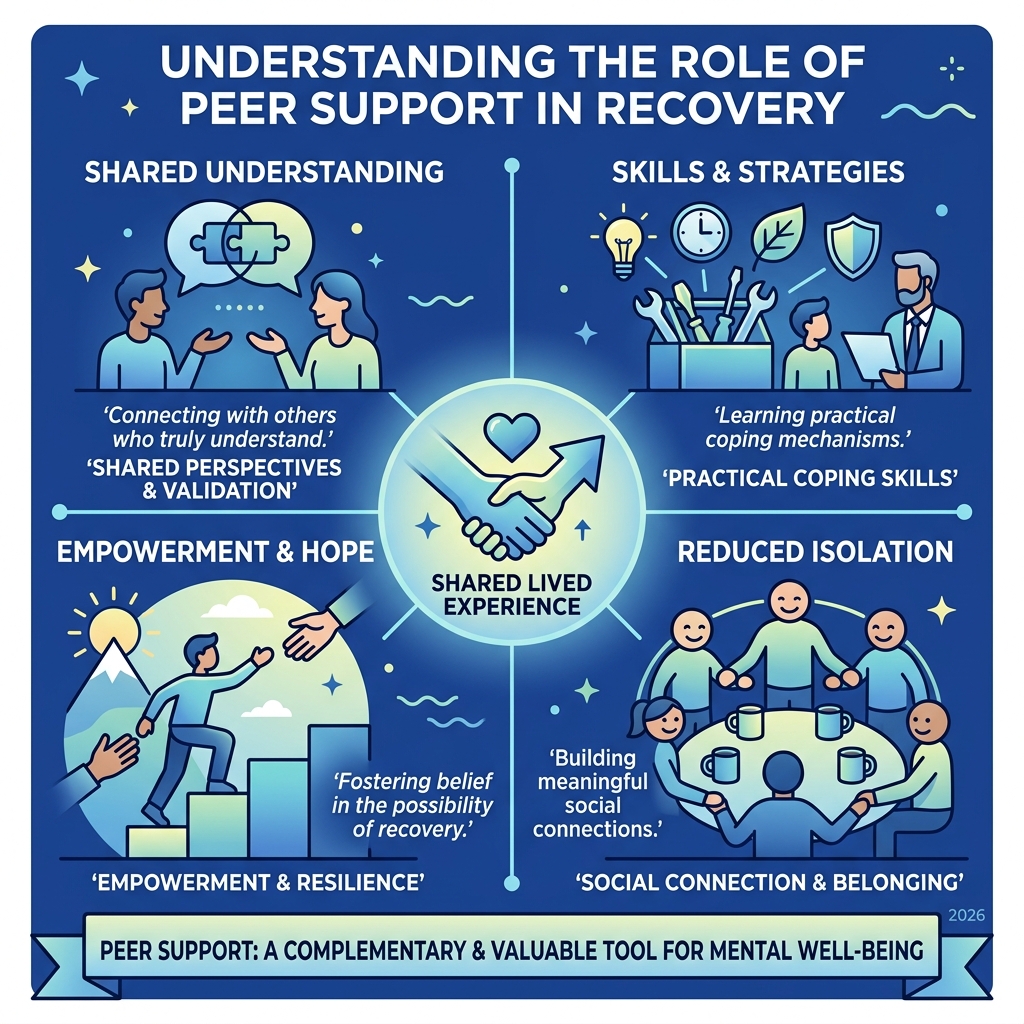
A powerful aspect of community-based care is the rise of peer support networks. These networks are built on the principle of shared lived experience, where individuals who have navigated mental health challenges themselves provide support and guidance to others. This includes peer-run warmlines, which are phone lines staffed by volunteers in recovery who offer emotional support and a listening ear, distinct from crisis hotlines.
NAMI support groups are another excellent example of community-based peer support, offering a safe space for individuals and families to share experiences, learn coping strategies, and find solidarity. Centers like Journey Mental Health Center, Union of Pan-Asian Communities, and Good Samaritan Shelter Recovery Point often integrate peer support programs into their services, recognizing the profound impact of connecting with someone who truly understands.
The World Health Organization (WHO) emphasizes the critical role of promotion, prevention, and community-based care in mental health. They advocate for a multisectoral approach, integrating mental health services into general healthcare and promoting mental well-being across all aspects of society. This includes school-based programs, workplace mental health initiatives, and broader public health campaigns. Community-based care, favored over institutionalization, ensures that support is accessible, culturally sensitive, and tailored to individual needs, fostering recovery and resilience within familiar environments.
Frequently Asked Questions about Mental Health Support
How do I access the 988 Suicide & Crisis Lifeline?
Accessing the 988 Suicide & Crisis Lifeline is straightforward and designed for immediate support. You can call or text 988 from any phone in the U.S. or use the chat feature available on their website (988lifeline.org). The service is free, confidential, and available 24/7, 365 days a year. When you connect, you’ll speak with a trained crisis counselor who can offer support and guidance during difficult moments. Spanish language services are also available for text and chat.
What should I do if I don’t have health insurance?
Lack of health insurance should not be a barrier to seeking mental health support. Several options are available:
- Community Health Centers: Many offer services on a sliding scale based on your income, or sometimes for free. You can search for these centers in your area.
- SAMHSA’s National Helpline: Call 1-800-662-HELP (4357) for free, confidential treatment referrals to local resources, including those that offer low-cost or free services.
- NAMI (National Alliance on Mental Illness): NAMI’s HelpLine and local affiliates provide information, support, and guidance on finding affordable care options.
- Free Online Resources and Support Groups: Many organizations offer free online resources, support groups, and peer support services that don’t require insurance.
- Medicaid/CHIP: Check if you qualify for state-funded health insurance programs like Medicaid or the Children’s Health Insurance Program (CHIP), which cover mental health services.
How can I help a family member who is struggling?
Helping a family member requires empathy, patience, and often, professional guidance. Here are some steps you can take:
- Recognize the Signs: Be aware of common signs of mental health s/truggles, such as changes in mood, behavior, sleep, or withdrawal from social activities.
- Express Concern Gently: Approach your loved one with compassion and express your concerns without judgment. Let them know you’re there for them.
- Encourage Professional Help: Suggest seeking support from a mental health professional. Offer to help them find resources, make appointments, or even accompany them to an initial consultation.
- Utilize Family Resources: Organizations like NAMI offer specialized support and education for family members and caregivers. Their Family Caregiver HelpLine can provide valuable guidance.
- Educate Yourself: Learn about their condition to better understand what they are experiencing and how to provide effective support.
- Practice Self-Care: Supporting a loved one can be emotionally draining. Ensure you also seek support for yourself to maintain your own well-being.
Conclusion
As we navigate April 2026, the landscape of mental health support is more dynamic and accessible than ever before. From the immediate, confidential assistance offered by the 988 Suicide & Crisis Lifeline to the personalized care available through telehealth and AI-enhanced tools, we are witnessing a profound transformation in how mental well-being is addressed. The strength of community-based programs, peer support networks, and dedicated advocacy groups like NAMI further reinforces the message that no one has to face mental health challenges alone.
The global interest in mental health continues to grow, with countries worldwide recognizing its importance, as evidenced by trends like the high volume of “mental health” keyword searches in 2023: Countries with most “mental health” keyword searches 2023 – Statista. This collective awareness fuels innovation and expands the reach of support services.
Recovery is not just a possibility; it is a journey that millions embark on every day, supported by a growing network of compassionate professionals and understanding communities. If you or someone you know is seeking comprehensive behavioral health treatment and support, we encourage you to explore available resources and take that crucial first step towards healing and well-being.
For a wide range of treatment programs and behavioral health services, please visit: https://addictionhelplineamerica.com/treatment-programs/behavioral-health/