

The Evolution of Integrated Healthcare and Wellness Solutions
In today’s world, finding reliable and effective support is more important than ever. We understand that true wellness goes beyond just treating illness; it involves a holistic approach to living better.
This article will explore the diverse landscape of modern healthcare and wellness solutions. We will look at how these innovative programs are transforming how we manage our health. From multidisciplinary pain management to advanced virtual care and specialized support, we will uncover solutions designed for better living.
Modern healthcare is rapidly evolving from a reactive, sickness-focused model to a proactive, whole-person approach. This shift emphasizes preventive strategies and integrated care, recognizing that physical, mental, and social well-being are interconnected. Providers are increasingly adopting models that offer comprehensive services under one roof or through coordinated networks, aiming to simplify the patient experience and improve outcomes.
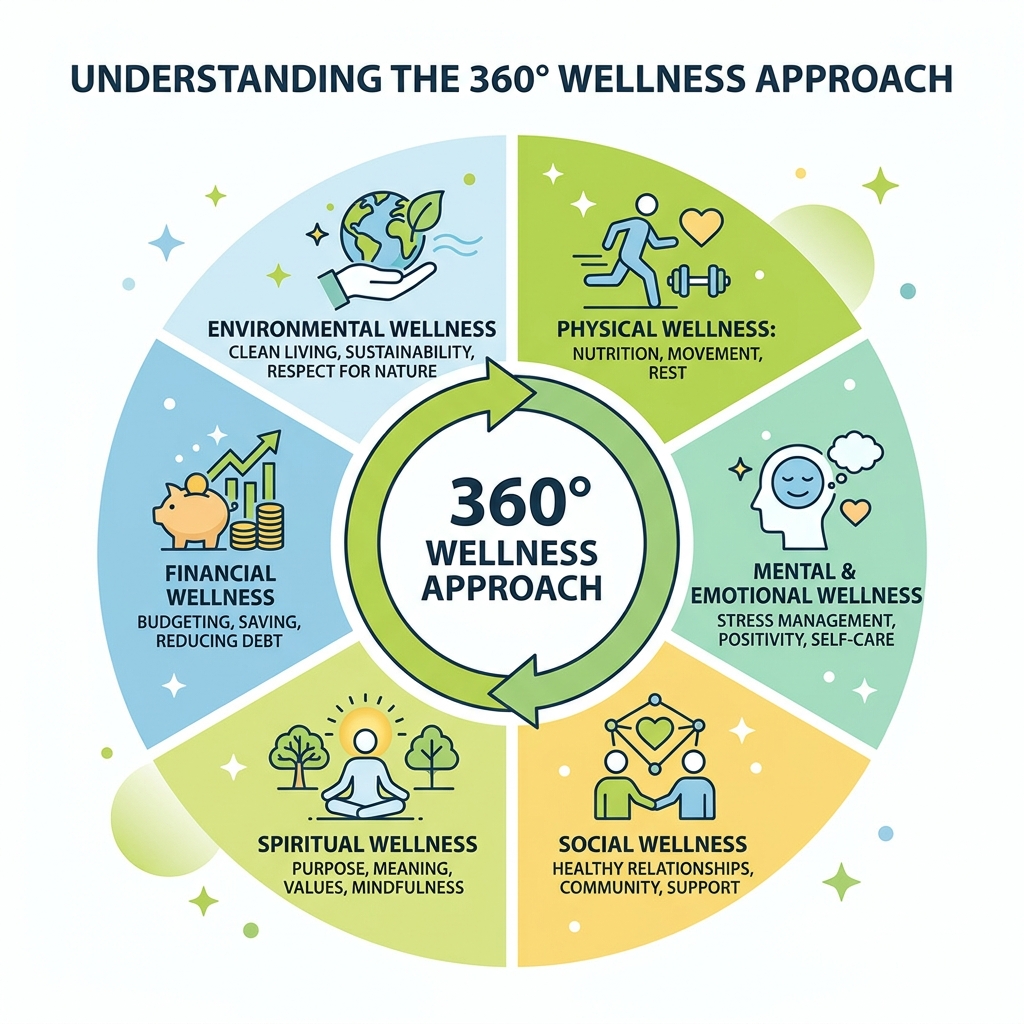
This integrated approach is designed to provide a seamless experience for individuals seeking to proactively manage their health. By focusing on the whole person rather than isolated symptoms, these solutions promote sustainable health improvements. Many of these forward-thinking organizations, such as those that provide comprehensive healthcare and wellness solutions, are demonstrating significant impact. For instance, some integrated models report a 15% reduction in total healthcare costs, highlighting their economic benefits. Furthermore, a remarkable 81% of members consider these integrated centers their ‘medical home’, indicating a high level of trust and satisfaction with coordinated care. This comprehensive engagement contributes to impressive 93% member satisfaction rates, underscoring the success of these patient-centric models.
Central to this evolution is the concept of value-based care, where providers are rewarded for patient outcomes rather than the volume of services. This encourages a greater focus on population health, addressing the needs of entire communities. Integrated primary care serves as the cornerstone, often incorporating mental health parity, ensuring that psychological well-being receives the same attention as physical health. Physical medicine, health coaching, and care navigation are also integral components that guide individuals through their health journey and help them make informed decisions. This holistic framework is not just about treating illness, but about fostering long-term flourishing and resilience.
Core Components of Effective Healthcare and Wellness Solutions
Effective healthcare and wellness solutions are built on several foundational pillars that offer comprehensive, accessible, and personalized care. At their heart are interdisciplinary teams comprising a diverse group of professionals, including doctors, nurses, physical therapists, mental health specialists, and health coaches. These teams collaborate closely to develop cohesive treatment plans that address all aspects of an individual’s health.
To enhance convenience and efficiency, many modern solutions prioritize same-day prescriptions and in-house diagnostics. This reduces the need for multiple appointments and external referrals, streamlining the care process and ensuring timely access to necessary medications and tests. This integrated approach minimizes logistical hurdles for patients, making it easier to adhere to treatment plans and manage their health effectively.
The essential wellness pillars that underpin these solutions typically include:
- Trusted Relationships: Fostering strong, ongoing connections between patients and their care teams, built on empathy and mutual respect.
- Efficient Care Delivery: Optimizing processes to ensure timely, high-quality care that respects patients’ time and resources.
- Accountability: Holding both providers and patients responsible for achieving health goals, with clear metrics and feedback mechanisms.
- Innovative Partnerships: Collaborating with technology providers, community organizations, and other stakeholders to expand access and enhance services.
Furthermore, the expansion of 50-state virtual networks has dramatically increased access to care, allowing individuals to connect with specialists and receive support regardless of their geographic location. This virtual infrastructure complements in-person services, offering flexibility and convenience. Holistic health assessments are also crucial, providing a comprehensive overview of an individual’s physical, mental, and lifestyle factors to inform truly personalized care plans. These assessments go beyond basic medical history, delving into diet, stress levels, social support, and environmental influences to create a complete picture of well-being.
Navigating Personalized Healthcare and Wellness Solutions
The journey to better health is inherently personal, and modern healthcare and wellness solutions are increasingly designed to reflect this individuality. Central to this personalization is the creation of individualized treatment plans, meticulously crafted to meet each person’s unique needs, health goals, and lifestyle preferences. These plans are dynamic, adapting as an individual’s health status evolves and new information becomes available.
Getting started with these solutions often involves a straightforward process, beginning with eligibility checks to determine coverage and suitability for specific programs. This is typically followed by easy appointment booking, often available online or via dedicated apps, which simplifies access to care. Once enrolled, a strong emphasis is placed on member engagement, with programs actively encouraging participation through various channels. This focus on engagement yields impressive results: some programs report a 50% engagement rate, and members achieve 8/10 flourishing scores for overall well-being. This high level of satisfaction often translates into long-term commitment, as evidenced by a 75% member retention rate among those who plan to stay with their programs for three or more years.
Proactive outreach plays a significant role in maintaining engagement and supporting members. This includes regular check-ins, educational resources, and reminders for preventive care. Health risk assessments are frequently used to identify potential health risks early, enabling timely interventions. Biometric screenings offer objective data on key health indicators, helping individuals track their progress and understand the impact of their lifestyle choices. Finally, personalized coaching paths, often powered by advanced AI, guide individuals through their health journey, offering tailored advice, motivation, and support for building sustainable healthy habits. These coaches act as partners, helping individuals navigate challenges and celebrate successes on their path to optimal health.
Multidisciplinary Strategies for Chronic Pain and Functional Restoration
Chronic pain can be debilitating, affecting every aspect of an individual’s life. Fortunately, innovative multidisciplinary strategies are offering new hope beyond traditional approaches. These programs recognize that chronic pain is complex, often involving physical, psychological, and social factors, and therefore requires a comprehensive, integrated treatment plan.
Two prominent examples of such strategies are Functional Restoration Programs (FRP) and Power Over Pain (POP) programs. FRPs are intensive, interdisciplinary programs designed to help individuals overcome chronic pain and return to their daily activities, including work. These programs typically span several weeks, with participants committing to daily sessions that integrate physical therapy, occupational therapy, and behavioral health support. The results are significant: FRPs report a 27% average reduction in pain and a 21% average decrease in disability, allowing individuals to regain function and improve their quality of life. Similarly, POP programs offer telemedicine-based support, guiding individuals through physical activity and stress management techniques from the comfort of their homes. These programs have demonstrated an impressive 35% decrease in depression and anxiety, highlighting the profound mental health benefits of integrated pain management.
Beyond these structured programs, a range of non-surgical pain relief options is available. These include interventional management techniques, such as nerve blocks and radiofrequency ablation, which target specific pain sources. Advanced therapies like spinal cord stimulation offer long-term relief for neuropathic pain by modulating nerve signals. For conditions that require specialized attention, such as certain pelvic floor disorders, exploring resources like those for California Pain bowel incontinence treatment can provide targeted solutions within a broader pain management framework. Innovative treatments like low-dose ketamine infusions are also gaining traction for their potential to alleviate severe chronic pain and depression. Complementary therapies such as biofeedback, which teaches individuals to control physiological responses, and mindfulness-based stress reduction, which helps manage pain perception, are integral components of these holistic approaches. These 4-week intensive programs often incorporate behavioral health integration, occupational therapy, and physical reconditioning, ensuring a comprehensive approach to recovery and sustained well-being.
Leveraging AI and Virtual Care for Chronic Disease Management
The landscape of chronic disease management is being revolutionized by the integration of artificial intelligence (AI) and virtual care. These technologies are making personalized, continuous support more accessible and effective, particularly for conditions like diabetes, hypertension, and obesity. AI-powered platforms can analyze vast amounts of health data to provide predictive analytics, identifying individuals at risk and offering proactive interventions.
The financial and clinical benefits of these AI-driven solutions are substantial. For instance, some platforms have demonstrated a remarkable 1.93x Return on Investment for employers and health plans, primarily by reducing healthcare costs associated with chronic conditions. This includes impressive 44% Rx cost savings and an 85% reduction in GLP-1, indicating more efficient medication management and improved health outcomes. Virtual care teams, comprising doctors, dietitians, health coaches, and mental health professionals, work in concert with these AI platforms to deliver personalized guidance and support. Remote patient monitoring, often facilitated by connected devices, allows for continuous tracking of vital signs and health metrics, enabling timely adjustments to care plans.
For conditions like cardiometabolic health, these programs have shown significant clinical improvements, including an average 18.5% weight loss among engaged members. Customer satisfaction is exceptionally high, with 90% customer satisfaction in cardiometabolic programs, reflecting the positive impact on individuals’ lives. Moreover, these solutions can lead to substantial financial savings for members, with some reporting savings of $ 1,000+ per member annually.
Here’s a comparison of traditional versus AI-driven chronic care:
Feature Traditional Chronic Care AI-Driven Chronic Care Approach Reactive, episodic, symptom-focused Proactive, continuous, whole-person, predictive Care Delivery In-person appointments, siloed specialists Virtual care teams, remote monitoring, integrated support Personalization General guidelines, limited individual tailoring Highly individualized, adaptive coaching paths Engagement Dependent on patient initiative, variable High engagement rates through personalized outreach Cost Management Often high due to complications and reactive treatment Cost-effective, significant Rx savings, high ROI Data Utilization Limited, often manual record-keeping Extensive, real-time analytics, predictive insights Connected devices, such as continuous glucose monitors (CGM) for diabetes management, are integral to this model, providing real-time data that empowers both patients and their care teams. Digital health education further equips individuals with the knowledge and tools to make informed health decisions, fostering self-efficacy and long-term behavioral change.
Specialized Support for Developmental Disabilities and Workplace Wellness
Healthcare and wellness solutions extend beyond general chronic disease management to encompass specialized support for diverse populations and settings. This includes dedicated programs for individuals with developmental disabilities and comprehensive workplace wellness initiatives.
For individuals with intellectual and developmental disorders (IDD), Home and Community-Based Services (HCBS) play a crucial role in maximizing independence and improving quality of life. These programs offer a range of personalized services, including residential support in group homes or host homes, day habilitation to foster life skills, and supported employment to promote vocational training and community involvement. Adaptive aids are also provided to assist with daily living, ensuring that individuals with IDD can thrive in their communities. These services are designed to be person-centered, recognizing the unique needs and goals of each individual, and empowering them to live as comfortably and self-regulating as possible.
In the realm of employer-focused wellness, companies are increasingly investing in programs that reduce healthcare costs and boost employee well-being. These initiatives often include on-site vaccinations, such as flu shots and COVID-19 vaccines, to protect employee health and minimize absenteeism. Biometric screenings provide employees with valuable insights into their health, encouraging proactive management of conditions such as high blood pressure and cholesterol. Such programs are not just about physical health; they also address mental well-being and overall flourishing. For organizations seeking to address a broad spectrum of employee health needs, including specific challenges like substance use, exploring comprehensive addiction healthcare solutions can be a vital component of a holistic workplace wellness strategy. The return on investment for these programs is compelling, with some “connect care” programs demonstrating a 1:2 ROI, meaning for every dollar spent, two dollars are saved. By fostering a culture of wellness, employers can significantly reduce healthcare expenditures, enhance productivity, and cultivate a more engaged and healthier workforce. These programs emphasize community involvement, vocational training, and life skills development, creating a supportive environment where employees can flourish both personally and professionally.
Frequently Asked Questions about Healthcare and Wellness Solutions
We often encounter common questions about the benefits and practicalities of modern healthcare and wellness solutions. Here, we address some of the most frequently asked questions to provide clarity and insight.
What are the primary benefits of an integrated care model?
Integrated care models offer numerous advantages by combining primary care, mental health, and physical therapy into a single, coordinated platform. This approach ensures that individuals receive comprehensive support that addresses their whole person, rather than treating isolated symptoms. The primary benefits include a 15% reduction in total healthcare costs, driven by more efficient resource utilization and preventive care. Furthermore, these models lead to significantly higher patient satisfaction, as individuals experience seamless coordination, better communication among providers, and a stronger sense of being heard and understood. This holistic treatment fosters better health outcomes and a more positive healthcare experience overall.
How do multidisciplinary programs help manage chronic pain without surgery?
Multidisciplinary programs like Functional Restoration Programs (FRP) are highly effective in managing chronic pain without resorting to surgery. They employ a team-based approach, typically involving medical doctors, physical therapists, occupational therapists, and behavioral health practitioners. This collaborative team works to address the multifaceted nature of chronic pain, targeting not only the physical aspects but also the emotional and psychological barriers that can hinder recovery. By integrating physical reconditioning, behavioral health support, and education on pain management techniques, these programs empower individuals to regain function and reduce their reliance on medication. As a result, participants often experience an average 27% reduction in pain levels, along with improvements in mobility, mood, and overall quality of life.
Can AI-powered wellness platforms deliver a measurable return on investment?
Absolutely. AI-powered wellness platforms are increasingly demonstrating a measurable return on investment (ROI) for employers, health plans, and health systems. These platforms leverage predictive analytics and personalized care navigation to optimize chronic disease management, leading to substantial cost savings and improved health outcomes. For example, some AI-driven solutions have shown a remarkable 1.93x ROI, indicating that the financial benefits significantly outweigh the investment. This ROI is achieved through various mechanisms, including up to 44% savings on prescription costs by optimizing medication use and promoting adherence, and an 85% reduction in the need for expensive GLP-1 medications through effective lifestyle interventions. By proactively managing chronic conditions and preventing complications, these platforms deliver tangible financial and health benefits.
Conclusion
The landscape of healthcare and wellness is undergoing a profound transformation, moving towards a future defined by whole-person health and sustainable outcomes. From the integrated care models that serve as a medical home for most members to the specialized support for developmental disabilities, the emphasis is now on proactive prevention and personalized care. We’ve seen how multidisciplinary approaches offer significant pain reduction and improved functional restoration, while AI-powered platforms deliver measurable ROI and personalized chronic disease management.
These innovative solutions are empowering patients, tailoring services to community-specific needs, and making accessible healthcare a reality for more individuals. Collaborative care, facilitated by interdisciplinary teams, ensures that every aspect of an individual’s well-being is addressed. As we look ahead, the continued evolution of these healthcare and wellness solutions promises a future where long-term flourishing is not just an aspiration but an achievable reality for all.