
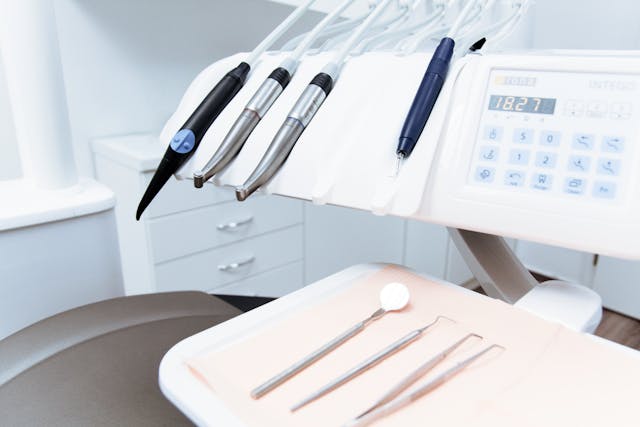
The Shift to Digital Diagnostics: Seeing More, Treating Better
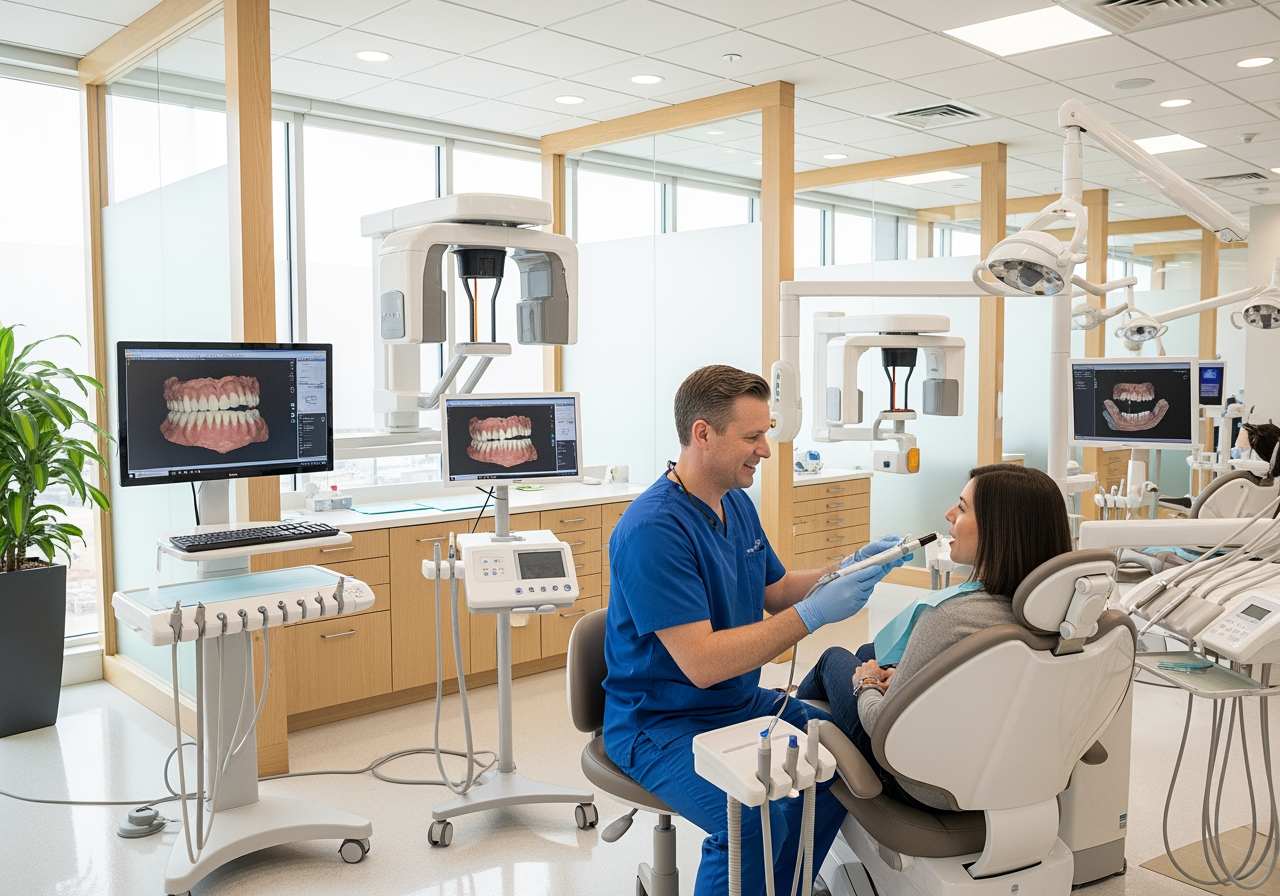 Remember when dental visits were something we dreaded? Good news! Modern dental care has truly changed. Today, we have amazing new technologies at our fingertips.
These tools make dental care much better, faster, and more comfortable for us all. We believe it’s important to understand these changes. They help us keep our smiles healthy and bright.
We will explore how technology is changing dentistry. We will explore new ways to diagnose problems, treat them, and improve your entire dental experience.
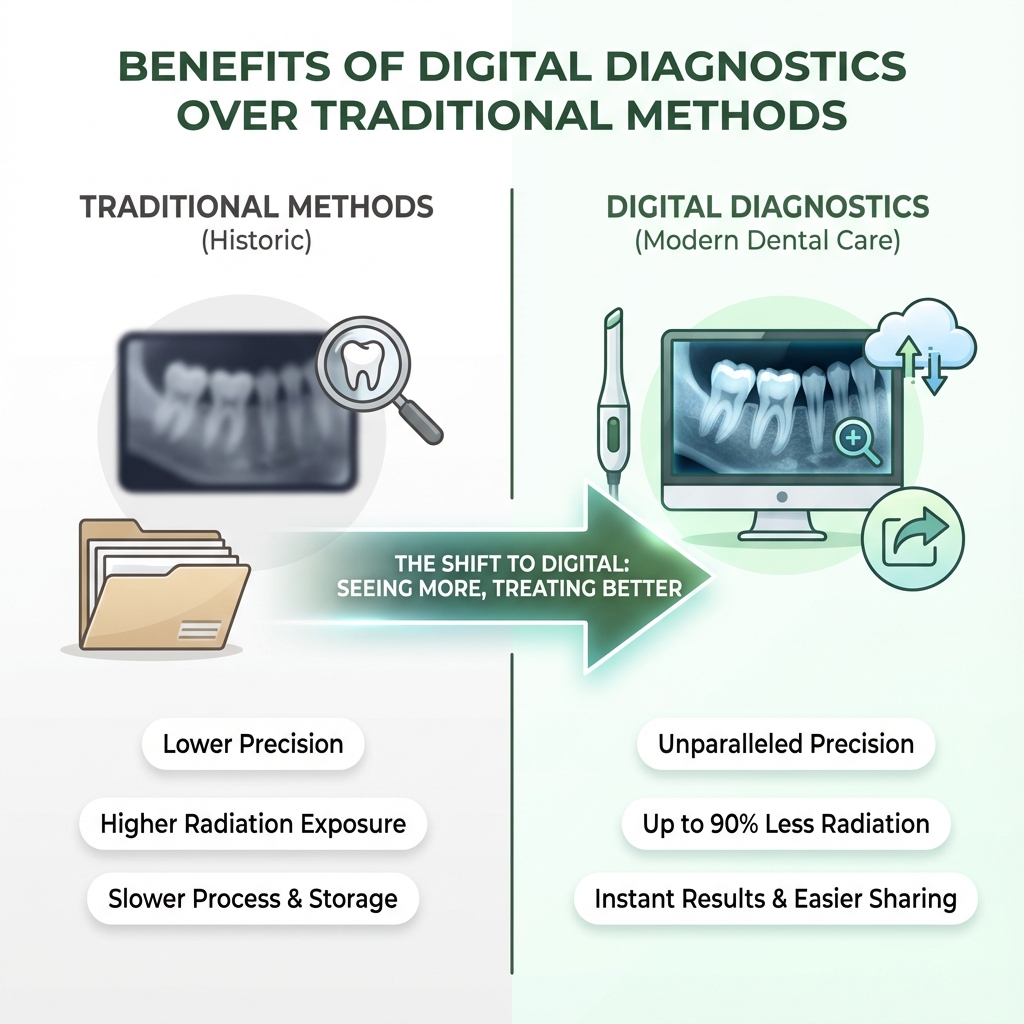
The foundation of effective dental care lies in accurate diagnosis. Historically, this relied heavily on traditional X-rays and visual examinations. While these methods were foundational, modern dental care—guided by a commitment to patient-centered modern care—has ushered in an era of digital diagnostics that offer unparalleled precision, safety, and efficiency. This shift allows us to identify issues earlier, plan treatments with greater accuracy, and ultimately provide superior patient outcomes.
Digital X-rays, for instance, have largely replaced their film-based predecessors. They offer significantly reduced radiation exposure—up to 90% less—making them safer for patients. The images are instantly available, can be improved, magnified, and stored digitally, facilitating easier sharing with specialists and better record-keeping. This immediacy means we can discuss findings with you right away, integrating you into the diagnostic process.
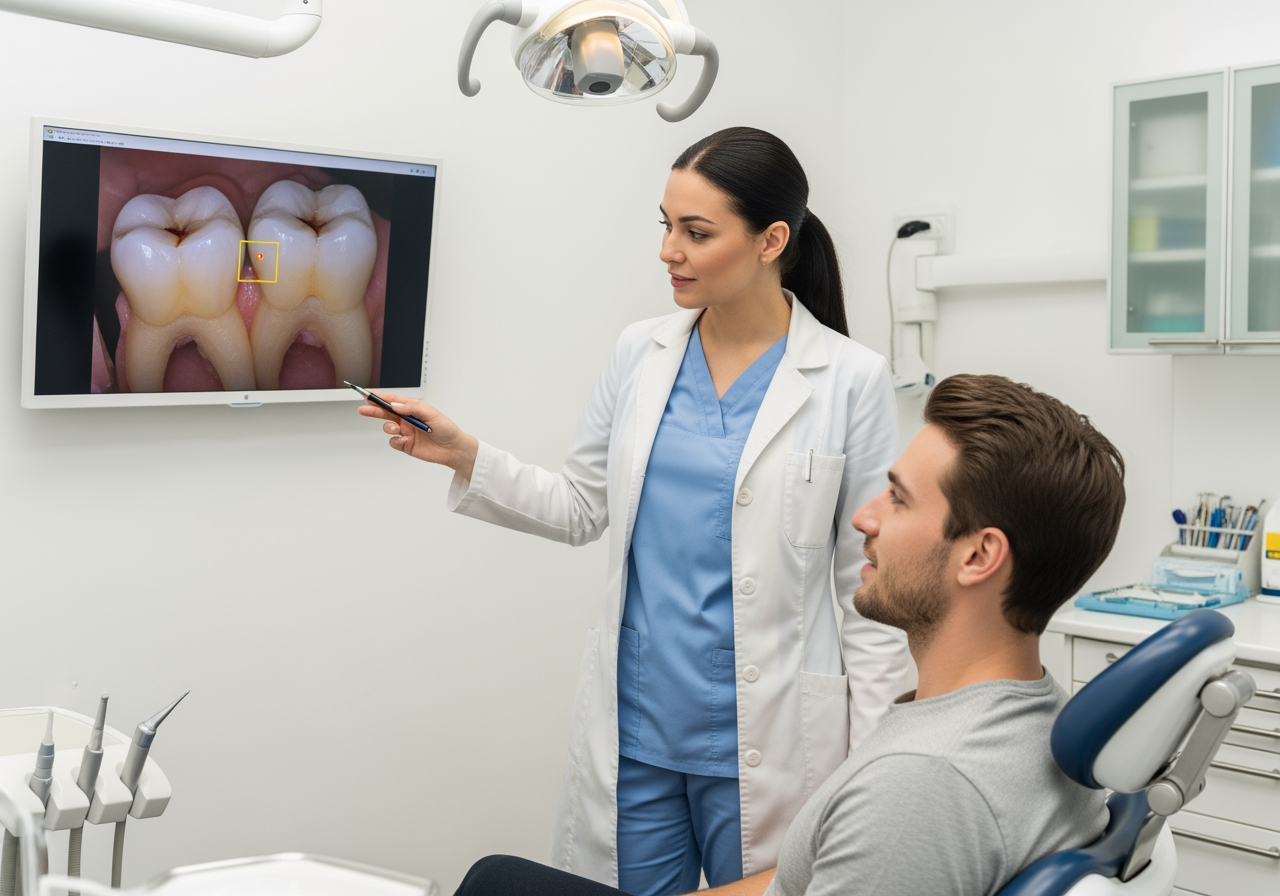
Beyond basic X-rays, intraoral cameras provide a live, magnified view inside your mouth. This allows us to show you exactly what we see, from tiny cracks in enamel to early signs of gum disease, changing abstract dental concepts into clear, visual realities. This visual education empowers you to understand your oral health status and participate actively in treatment decisions.
For more complex cases, 3D imaging, including Cone Beam Computed Tomography (CBCT), provides a comprehensive view of your oral anatomy. Unlike traditional 2D X-rays, which flatten structures, CBCT provides a 3D representation of teeth, bone, nerves, and soft tissues. This is invaluable for planning intricate procedures like dental implant placement, root canal treatments, or orthodontic interventions, ensuring we avoid vital structures and achieve optimal results.
Furthermore, technologies like laser cavity detection systems allow us to identify decay at its earliest stages, often before it’s visible to the naked eye or on X-rays. This non-invasive approach means we can intervene with minimally invasive treatments, preserving more of your natural tooth structure and preventing larger, more costly problems down the line. The integration of these digital tools into our daily practice represents a monumental leap forward, enhancing both diagnostic capabilities and the overall patient experience.
Improved Diagnostic Precision
One of the most profound impacts of modern dental technology is the dramatic improvement in diagnostic precision. Digital X-rays, for example, not only reduce radiation exposure but also deliver images with superior clarity and detail. This high-resolution imagery allows us to detect even the most subtle changes in tooth structure or bone density, often revealing hidden decay or early signs of periodontal disease that might be missed with older technologies. The ability to manipulate these images—zooming in, adjusting contrast, or applying filters—further improves our diagnostic capabilities.
The visual aspect of these tools is particularly beneficial for patient education. Imagine seeing a live, magnified image of your tooth on a screen, clearly showing a small cavity or a worn filling. This direct visual evidence, provided by an intraoral camera, demystifies dental conditions and fosters a deeper understanding of your oral health. When you can see the problem, you’re better equipped to understand the proposed solution and feel more confident in your treatment choices. This transparency builds trust and transforms the patient from a passive recipient of care into an informed partner in their oral health journey.
Streamlining the Dental Workflow
Beyond diagnostics, modern technology has revolutionized the dental workflow, making processes faster, more comfortable, and more accurate. Digital impressions are a prime example of this change. Gone are the days of messy, uncomfortable, and often gag-inducing physical molds. With advanced intraoral scanners like iTero, we can capture highly accurate 3D images of your teeth and gums in minutes. This process is not only more pleasant for you but also significantly more precise.
These digital scans are then transmitted to dental laboratories instantly, eliminating shipping times and potential errors associated with physical models. This streamlined communication ensures that custom restorations, such as crowns, bridges, and Invisalign aligners, are fabricated with exceptional accuracy and speed. The result is a better-fitting restoration and fewer adjustments needed during your appointment, saving you time and enhancing your comfort. This efficiency allows us to dedicate more time to direct patient care and less to logistical problems, optimizing every aspect of your visit.
Innovations in Dental Treatments and Restorations
The advancements in modern dental care extend far beyond diagnostics, profoundly impacting the treatments and restorations we can offer. The integration of cutting-edge technologies and materials has led to procedures that are more efficient, less invasive, and deliver more aesthetically pleasing and durable results. This evolution means that whether you need a simple filling or a complex reconstruction, the options available today are vastly superior to those of even a decade ago.
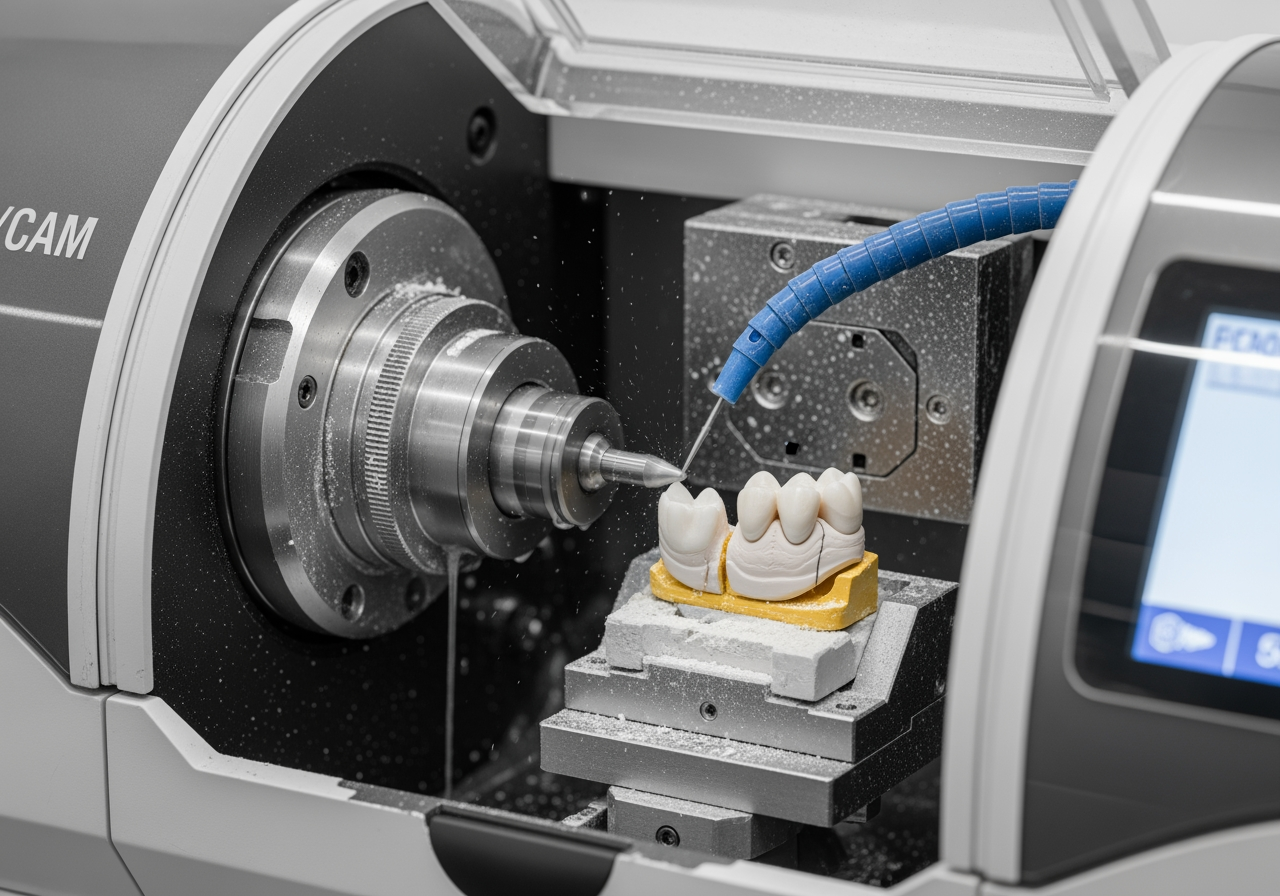
A cornerstone of this innovation is CAD/CAM (Computer-Aided Design/Computer-Aided Manufacturing) technology. This sophisticated system allows us to design and mill custom dental restorations right in our office, often in a single visit. CEREC (Chairside Economical Restoration of Esthetic Ceramic) is a prime example, enabling us to create beautiful, durable, and precisely fitting same-day crowns, inlays, onlays, and veneers. This eliminates the need for temporary restorations and multiple appointments, saving you valuable time and reducing inconvenience.
Laser dentistry is another transformative innovation. Dental lasers offer a highly precise and minimally invasive alternative to traditional drills and scalpels for a variety of procedures. They can be used for cavity preparation, gum reshaping, reducing bacterial levels in periodontal pockets, and even treating cold sores. The benefits include reduced pain, minimal bleeding, faster healing, and, often, the elimination of the need for anesthesia for certain procedures.
The materials used in modern restorations have also seen significant advancements. Traditional amalgam fillings, while effective, are now often replaced by advanced composite resins that match the natural color of your teeth, providing a seamless aesthetic. For crowns and bridges, materials like Zirconia and eMax have become industry standards. Zirconia offers exceptional strength and biocompatibility, making it ideal for posterior teeth, while eMax provides superior translucency and aesthetics, making it suitable for front teeth. These materials are not only stronger and more durable but also blend seamlessly with your natural dentition, ensuring your smile looks and feels completely natural. These innovations collectively define the essence of modern dental care, prioritizing both function and aesthetics.
The Rise of Computer-Aided Dentistry
Computer-aided dentistry, primarily through CAD/CAM technology, has revolutionized how we approach restorative procedures. This technology enables in-house fabrication of custom prosthetics with remarkable speed and accuracy. From designing a single crown to intricate bridges and veneers, the digital workflow ensures a precise fit and a natural aesthetic that were once achievable only through multiple lab visits. The process typically involves taking a digital impression of your tooth, designing the restoration on a computer screen, and then milling it from a block of high-quality ceramic material right in our office.
This capability is particularly impactful for procedures like dental implants. When planning an implant, 3D imaging and CAD software enable us to map the ideal placement precisely, ensuring optimal integration with your jawbone and surrounding teeth. The final restoration, whether it’s a single crown on an implant or a full-arch bridge, is crafted with meticulous attention to detail, resulting in a restoration that is both functional and indistinguishable from your natural teeth. This integrated approach to design and fabrication is a hallmark of modern dental solutions, ensuring that every patient receives a custom, advanced treatment.
Advanced Techniques in Cosmetic and Restorative Procedures
Modern dental care emphasizes techniques that are not only effective but also minimally invasive, preserving as much of your natural tooth structure as possible. This philosophy is evident across a range of cosmetic and restorative procedures. For instance, when treating cavities, we often use air abrasion or dental lasers, which can remove decay with greater precision and less discomfort than traditional drills, often without the need for anesthesia. This approach minimizes the removal of healthy tooth material, leading to stronger, longer-lasting restorations.
Invisalign, a clear aligner system, has transformed orthodontics by offering a discreet and comfortable way to straighten teeth. Unlike traditional braces, Invisalign aligners are virtually invisible and removable, making eating and oral hygiene easier. This technology leverages 3D imaging to map out the entire treatment plan, showing you the expected progression of your smile even before you begin. For those seeking to improve their smile’s brightness, advanced teeth whitening technology provides safe and effective results, often in a single office visit, going beyond what over-the-counter products can achieve.
Comprehensive smile makeovers combine these techniques—from veneers and bonding to crowns and whitening—to achieve a harmonious, aesthetically pleasing result. The goal of advanced modern dental care is to combine aesthetics with function, ensuring that your improved smile not only looks beautiful but also supports optimal oral health and bite function. These advanced techniques reflect our commitment to providing you with the best possible care, custom to your unique needs and desires.
The Rise of Patient-Centered Modern Dental Care
Beyond the impressive technological advancements, one of the most significant changes in modern dental care is the profound shift towards a truly patient-centered approach. We understand that a visit to the dentist can be anxiety-provoking for many, and that oral health is intricately linked to overall well-being. Therefore, modern practices prioritize creating an environment where comfort, clear communication, and comprehensive education are paramount.
This philosophy begins with actively listening to your concerns, understanding your expectations, and tailoring treatment plans that align with your individual needs and lifestyle. It extends to addressing dental anxiety head-on, offering a range of solutions to ensure your experience is as relaxed and stress-free as possible. Furthermore, modern dental care recognizes the crucial link between oral health and systemic health, often referred to as the oral-systemic connection. We educate our patients on how conditions like gum disease can affect chronic illnesses such as heart disease and diabetes, and even pregnancy outcomes, emphasizing a holistic approach to your health.
Effective communication is at the heart of this patient-centered model. We use digital tools and visual aids to clearly explain diagnoses and treatment options, ensuring you are fully informed and empowered to make decisions about your care. Our goal is not just to treat dental problems but to build lasting relationships based on trust, mutual respect, and a shared commitment to your long-term health. This comprehensive and empathetic approach is what truly defines modern dental care, making every visit a positive and productive step towards a healthier you.
Redefining the Patient Experience
Modern dental care is not just about advanced tools; it’s about changing the entire patient experience. We strive to create an atmosphere that is welcoming, comfortable, and reassuring from the moment you step through our doors. For those who experience dental anxiety, we offer various sedation dentistry options, from nitrous oxide (laughing gas) to oral conscious sedation, to help you relax and feel at ease during your treatment. We aim to make your visit as comfortable as possible, often providing amenities such as neck pillows, warm blankets, and entertainment options, like overhead TVs or music, to distract and soothe you.
The convenience factor has also been significantly improved. Virtual consultations let you discuss your concerns and explore treatment options from the comfort of your home, without a trip to the office. Online scheduling systems make booking appointments quick and easy, fitting seamlessly into your busy life. Furthermore, digital patient forms can often be completed electronically before your visit, reducing wait times and streamlining the check-in process. These thoughtful touches collectively redefine what a dental visit can be, turning a once-dreaded appointment into a pleasant and efficient experience.
The Philosophy of Modern Dental Care
At its core, the philosophy of modern dental care is deeply rooted in prevention and patient empowerment. We believe that preventing dental issues before they arise is always preferable to treating them after they’ve developed. This preventive focus involves not only regular check-ups and cleanings but also comprehensive patient education on effective oral hygiene practices, diet, and lifestyle choices that impact dental health. We see ourselves as partners in your health journey, providing you with the knowledge and tools to maintain a healthy smile for life.
Building strong, trusting relationships with our patients is paramount. We encourage open dialogue, ensuring all your questions are answered and that you feel heard and understood. Treatment decisions are made collaboratively, with us presenting all viable options, explaining the pros and cons of each, and respecting your preferences and values. This collaborative approach ensures that the care you receive is not just clinically excellent but also personally meaningful and aligned with your goals. This commitment to empowering patients through knowledge and fostering a trusting environment is truly the core of patient-centered modern care, making dentistry a positive and proactive aspect of overall health.
Frequently Asked Questions about Modern Dental Technology
As dental technology continues to evolve rapidly, it’s natural for patients to have questions about its safety, cost, and impact on their experience. We’ve compiled some frequently asked questions to provide clarity and reassurance about the benefits of modern dental care.
Is modern dental technology safe?
Absolutely. Patient safety is our top priority, and modern dental technology is designed with this in mind. For example, digital X-rays significantly reduce radiation exposure compared to traditional film X-rays, making them much safer. The materials used in modern restorations, such as Zirconia and eMax, are biocompatible and rigorously tested to ensure their safety for use in the body. All new technologies undergo extensive research, development, and regulatory approval processes before being introduced into clinical practice. We also adhere to strict sterilization and infection control protocols, often exceeding standard guidelines, to ensure a sterile and safe environment for every patient.
Does modern dentistry cost more than traditional methods?
While some modern dental technologies may represent an initial investment, they often lead to long-term savings and provide greater value. For instance, technologies like CAD/CAM can create same-day crowns, reducing the need for multiple appointments and temporary restorations, which saves you time and money in the long run. Early detection methods, such as laser cavity detection, allow for minimally invasive treatments that prevent small problems from escalating into larger, more costly issues. Modern materials are also more durable, meaning restorations last longer and require less frequent replacement. We also work with a wide range of insurance providers and offer various payment and financing options to make advanced dental care accessible and affordable for everyone.
How does technology help with dental anxiety?
Modern technology plays a crucial role in alleviating dental anxiety. Many advanced tools are quieter and more precise than older instruments, reducing the uncomfortable sounds and sensations often associated with dental procedures. Lasers, for example, can perform many tasks with less vibration and often without the need for a drill, leading to a more comfortable experience. Faster procedures, enabled by digital impressions and in-office milling, mean less time in the dental chair. Combined with sedation options, comfort amenities (such as blankets and entertainment), and clear visual explanations of procedures using intraoral cameras and 3D imaging, technology helps explain the process and creates a much more relaxed environment. When you understand what’s happening and feel physically comfortable, anxiety naturally diminishes.
Conclusion
Modern dental care has truly undergone a remarkable change, moving far beyond the traditional image of drills and discomfort. We’ve seen how digital diagnostics, from low-radiation X-rays to 3D imaging, provide unprecedented precision and insight, allowing for earlier detection and more accurate treatment planning. Innovations in treatments and restorations, such as CAD/CAM technology for same-day crowns and advanced biocompatible materials, mean that dental procedures are now more efficient, less invasive, and deliver more durable and aesthetically pleasing results.
Crucially, this technological evolution has gone hand in hand with a profound shift towards a patient-centered approach. Modern practices prioritize your comfort, address dental anxiety with compassionate care and sedation options, and empower you through clear communication and education. We recognize the vital link between your oral health and overall well-being, and we embrace a holistic approach to your health.
The future of dentistry promises even more personalized care, with technology continuing to improve our ability to prevent, diagnose, and treat dental conditions with greater efficacy and comfort. By embracing these advancements, we are committed to providing you with not just exceptional dental care but an entirely redefined and positive experience. Your journey to a healthier, brighter smile is now more comfortable, efficient, and informed than ever before.