
Cancer does not distribute itself according to geography. It affects patients in major metropolitan centers and in rural towns alike. Yet access to cutting-edge oncology knowledge and resources has historically clustered around large academic institutions. This imbalance creates a quiet but significant challenge: how to ensure that patients treated outside major cities receive care aligned with the most current standards.
The majority of cancer patients are treated in community settings rather than academic hospitals. Many of those community practices serve rural populations. For patients living hours away from large cancer centers, care close to home is not a convenience. It is often a necessity.
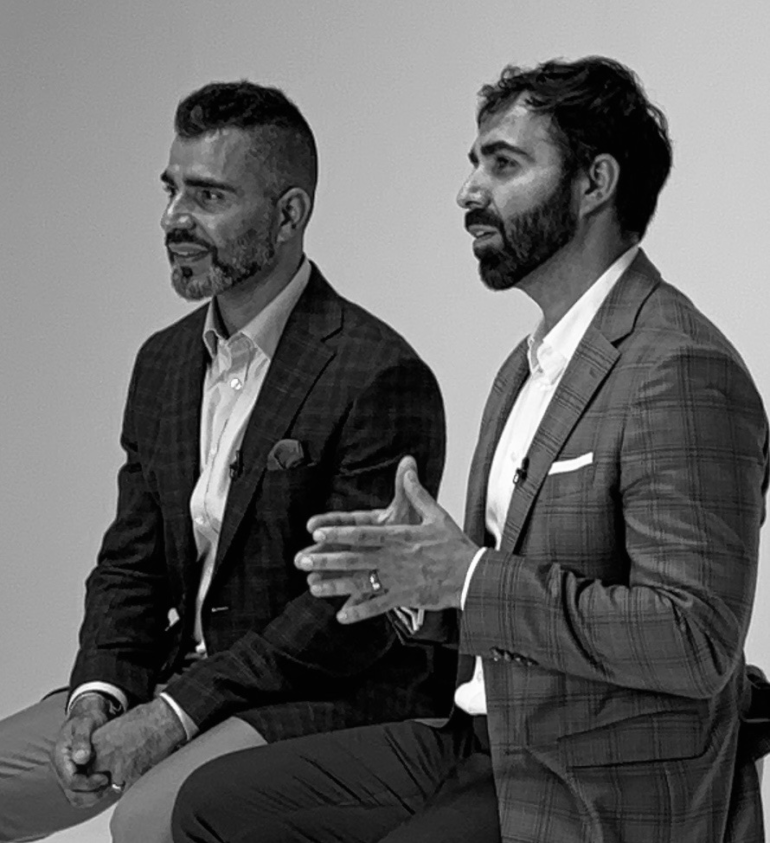
Oncology Brothers view this geographic reality as central to modern cancer care. Innovation must not be confined to conference halls and university systems. It must reach the clinics where most patients actually sit in infusion chairs.
The Rural Reality in Oncology
Patients in rural regions face unique obstacles. Travel to major academic centers may require hours on the road, overnight lodging, time off work, and separation from family support networks. For individuals undergoing chemotherapy or complex treatment regimens, these burdens compound quickly.
Even when referral to a large center is possible, repeated travel for ongoing care may not be sustainable. As a result, many patients prefer to receive treatment locally whenever feasible.
The challenge is not willingness to seek advanced care. It is the infrastructure and information gap that can exist between major research hubs and smaller community practices. When education and updates circulate primarily through academic networks, rural clinicians may face greater difficulty accessing concise, actionable summaries of evolving standards.
Education as a Bridge
The pace of oncology advancement requires continuous learning. New approvals, expanded indications, biomarker-driven therapies, and evolving sequencing strategies shape treatment decisions across tumor types. For clinicians serving rural populations, staying aligned with these changes ensures that geography does not dictate outcome.
Oncology Brothers approach this gap from an educational standpoint. Rather than focusing exclusively on academic discourse, their work centers on distilling complex updates into practical, clinically relevant insights. The goal is not to replicate the depth of a multi-hour conference panel. It is to clarify what matters for patient care now.
When education becomes accessible and structured, the distance between academic discovery and rural implementation narrows. Community physicians can confidently integrate validated advances without requiring patients to relocate their care.
Reducing the Burden of Travel Through Knowledge
There are circumstances where referral to a major center is appropriate, particularly for complex or highly specialized interventions. However, many treatment decisions can be effectively managed within community settings when physicians have current, evidence-based information.
By focusing on clear interpretation of new data, Oncology Brothers contribute to a model in which patients receive high-quality care close to home whenever possible. This approach respects the logistical and emotional realities faced by rural families.
Travel is not merely an inconvenience. It carries financial cost, lost wages, childcare disruptions, and physical strain. When validated therapies can be administered locally, the patient experience improves significantly.
Aligning Community and Academic Standards
One of the persistent concerns in healthcare is variation in treatment patterns across regions. In oncology, alignment with established standards is critical. Disparities in knowledge can translate into disparities in outcomes.
Oncology Brothers emphasize that most patients should not experience different quality of care based solely on their zip code. This is not an abstract position — it is one Drs. Rohit and Rahul Gosain encounter in their own clinics at Roswell Park Comprehensive Cancer Institute and Wilmot Cancer Institute, where patients travel from surrounding rural communities seeking care. While academic centers play an essential role in research and early adoption, the long-term success of oncology innovation depends on its deliberate dissemination into everyday practice environments
Education acts as the equalizer. When updates are presented clearly and consistently, clinicians across geographic boundaries can adopt evidence-based strategies in parallel.
Practical Integration in Resource-Variable Settings
Rural and community practices may differ in available resources compared to major academic institutions. Staffing models, diagnostic access, and subspecialty support can vary. This reality makes concise and prioritized information even more important.
Physicians serving broader catchment areas often manage multiple tumor types and complex patient populations. Educational models that respect time constraints and focus on what directly impacts care allow these clinicians to remain current without being overwhelmed.
Oncology Brothers’ emphasis on clarity over volume directly supports this need. The objective is not to replicate every detail of emerging research but to identify the elements that should influence treatment decisions today.
Preserving Patient Trust Through Local Excellence
For many patients, receiving care in their own community reinforces trust. They are surrounded by familiar environments and support systems. Maintaining that trust requires ensuring that local care reflects contemporary standards.
When rural oncologists are equipped with timely, accurate education, patients gain confidence that staying close to home does not mean sacrificing access to innovation. This continuity strengthens adherence and overall satisfaction with care.
Equity Through Information
Equity in cancer care extends beyond insurance coverage and facility availability. It includes equitable access to knowledge. Information gaps can become outcome gaps if not addressed proactively.
By prioritizing accessible education and focusing on actionable updates, Oncology Brothers contribute to a model where geographic distance from an academic center does not equate to distance from progress.
Cancer outcomes have improved because of relentless scientific effort. Ensuring that these advances reach every community requires deliberate dissemination and thoughtful interpretation. For patients in rural settings, access to current standards should not require relocation.
Cancer care close to home becomes truly viable when knowledge travels faster than patients need to.