
Introduction
E-bikes have evolved rapidly, transforming from niche commuter vehicles into mainstream transportation and fitness tools. With their growing popularity, riders increasingly look for advanced features that improve convenience, safety, and performance. Among these features, integrated GPS systems stand out as one of the most talked-about upgrades. These systems promise real-time navigation, theft protection, and performance analytics. But do riders really need them, or are they simply an expensive luxury? This article examines the benefits, drawbacks, and real-world applications of integrated GPS, helping riders decide whether the feature aligns with their lifestyle and riding habits.
The Benefits of Integrated GPS
One of the most significant benefits of integrated GPS is navigation. Turn-by-turn guidance helps riders explore new routes confidently without needing to glance at a smartphone screen. This improves both safety and convenience. Theft recovery is another critical advantage. GPS-enabled e-bikes can be tracked through mobile apps, giving owners peace of mind in high-theft areas. Additionally, GPS systems often double as fitness trackers, recording data such as speed, distance, elevation, and calories burned. For riders who view cycling as part of their fitness routine, this feature can be invaluable. Finally, integrated systems are sleek and discreet, avoiding the clutter of external mounts or devices.
Drawbacks and Practical Considerations
Despite the benefits, integrated GPS systems have limitations. The first is cost—bikes with built-in GPS are often significantly more expensive. Some brands also charge subscription fees for theft recovery services or advanced analytics, which can add to long-term costs. Battery consumption is another factor, as GPS units draw power continuously, potentially shortening riding range. Privacy concerns may also arise, with some riders uneasy about constant location tracking. Advanced e-bikes such as the ebox 2.0 demonstrate how GPS features can be seamlessly integrated into modern designs, but whether they’re worth the cost depends on a rider’s specific needs.
Who Should Invest in Integrated GPS?
Integrated GPS is most beneficial for urban commuters who face higher risks of theft and rely heavily on their bikes for daily transport. Touring cyclists and long-distance riders also gain from having navigation and performance analytics built directly into their bikes. Fitness enthusiasts who use e-bikes as training tools may appreciate the ability to track progress without third-party devices. On the other hand, weekend leisure riders or those who live in low-crime areas may find little need for the added expense. In such cases, external GPS trackers or smartphone apps may offer sufficient functionality at a lower cost.
Alternatives to Integrated GPS
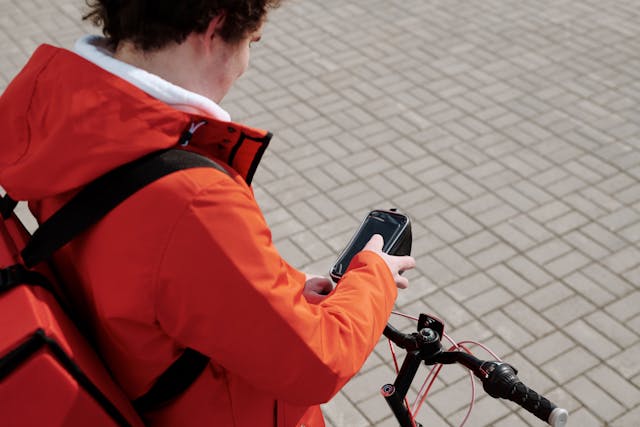
Riders hesitant to invest in an e-bike with built-in GPS have several alternatives. Smartphone apps like Strava, Komoot, and Google Maps provide robust navigation and ride-tracking features, often for free. Paired with a simple handlebar mount, these apps rival the navigation functions of integrated GPS systems. External GPS trackers, which can be hidden in the bike frame or saddle, offer theft recovery without requiring a premium e-bike purchase. These devices can often be swapped or upgraded independently, making them more versatile in the long term. While not as seamless, they provide flexibility for riders who want functionality without committing to higher upfront costs.
Conclusion
Integrated GPS systems for e-bikes combine navigation, theft protection, and fitness tracking in one package. For urban commuters, long-distance riders, and fitness-focused cyclists, the convenience and peace of mind may justify the cost. However, they are not universally essential. Casual riders can often achieve similar results with apps or external trackers. Models like the ebox 2.0 show how advanced GPS integration can elevate the riding experience, but riders should weigh the costs, potential subscriptions, and privacy considerations before committing. Ultimately, whether integrated GPS is a necessity depends on lifestyle, riding frequency, and priorities. By carefully evaluating both the benefits and drawbacks, riders can make informed decisions about whether this advanced feature aligns with their cycling goals.