
Across Louisiana, driving instructors, examiners, and independent test centers are rethinking the way new drivers prepare for the state’s Road Skills Test. For years, the test has been regarded as a stressful rite of passage, but educators argue it should serve as a safety net rather than a single high-pressure evaluation. This shift is increasingly visible in statewide driver training practices and in new public-facing resources, such as the step-by-step guide recently published by Magnolia Driving Academy.
Why Test Preparation Is Becoming Safety-Focused
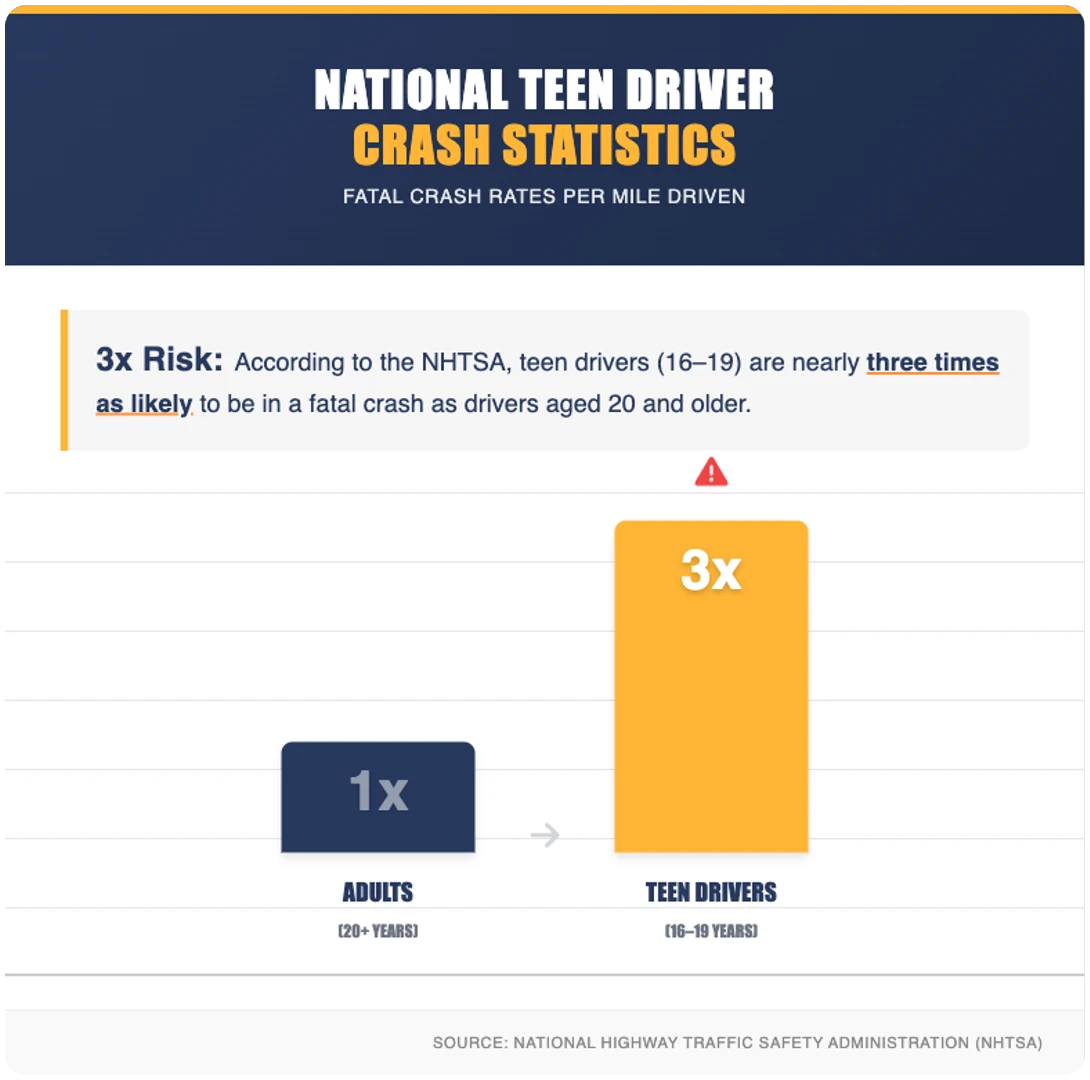
National research continues to highlight the need for stronger early-intervention training. According to data from the National Highway Traffic Safety Administration, teen and novice drivers experience fatal crash rates nearly three times higher than drivers aged 20 or older. Instructors say this disparity is one of the driving forces behind the move toward clearer expectations, more structured practice, and a focus on risk-recognition rather than memorized maneuvers.
Across multiple parishes, instructors report that many first-time test takers struggle not because they lack skill, but because they misunderstand what examiners measure during the Road Skills Test. The new statewide instructional approach emphasizes consistency, situational awareness, and judgment — all of which are tied directly to national safety trends.
What Instructors Say Students Misunderstand Most
During interviews with educators in Lafayette, Shreveport, Jefferson Parish, and Ascension Parish, several recurring skill gaps emerged. These aren’t isolated errors but predictable patterns that align with research on teen driving risk factors. For example, a recent study by NHTSA found that improper lane positioning, inadequate scanning, and misjudged turning gaps are among the most common factors in novice-driver collisions.
Instructors say these same patterns show up frequently during testing:
- Inconsistent scanning routines: Students often forget to check mirrors and blind spots before lane changes.
- Rolling stops: Many drivers slow significantly without coming to a full, complete stop behind the line.
- Lane drift: New drivers may drift left or right, particularly on wider suburban roads.
- Poor judgment: Wide right turns or tight left turns create safety risk and point deductions.
The Magnolia Driving Academy guide clarifies how examiners assess observation, control, and decision-making, helping instructors teach safety priorities clearly.

The Rise of Warm-Up Sessions Before Testing
In several Louisiana regions, warm-up sessions have become one of the fastest-growing components of test preparation. Educators say they serve two key benefits: reducing anxiety and correcting the small habits that typically lead to failure. Instructors describe students who arrive tense, unsure of expectations, and prone to rushing decisions, only to calm noticeably once they see the structured checklist used by examiners.
Warm-up lessons often focus on:
- Turning radius control and proper lane entry
- Consistent speed management
- Scanning routines at intersections
- Smooth braking and full stops
The practice mirrors training strategies observed in other states with strong beginner-driver safety programs, where final pre-test evaluations reduce cognitive overload and reinforce the behaviors most closely tied to real-world crash prevention.
Documentation and Administrative Readiness Still Matter
While many training challenges relate to driving behavior, administrative issues remain a leading reason applicants cannot complete their Road Skills Test. State officials have repeatedly emphasized the importance of bringing the correct permit, education certificates, and a vehicle that passes inspection. Missteps in these areas often force students to reschedule, adding stress and delaying licensure.
Third-party test centers and driving academies now stress administrative readiness as an integral part of safety preparation. By framing documentation as part of responsible driving behavior, instructors can connect logistical compliance with long-term road safety habits.
A Statewide Cultural Shift in Driving Education
Collectively, these efforts represent a meaningful change in Louisiana’s driving education ecosystem. Test preparation is becoming a safety curriculum, not a performance rehearsal. Families are beginning to view passing the Road Skills Test not as an isolated achievement but as confirmation that a young driver demonstrates the judgment, consistency, and awareness required in high-risk early driving years.
As Louisiana continues to adapt its instructional approaches, the emphasis on safety-driven training may help narrow the gap between test readiness and real-world accident risk — a trend supported by educators and national road safety data.