
Table of Contents
- Digital Diagnostics and Treatment Planning
- Preventive Care and Early Intervention
- Teledentistry: Expanding Access
- 3D Printing in Dental Restorations
- AI in Dental Diagnostics
- Enhanced Patient Experience
- Sustainable and Eco-Friendly Practices
- Whole-Health Integration
- Final Thoughts
Family dentistry is rapidly evolving into a high-tech, patient-focused field committed to improving outcomes for every family member. As families navigate these new changes, it is crucial to understand which advancements and best practices are driving dental care forward and what these trends mean for long-term oral health. Early education about these changes, such as specialized dental bonding solutions, helps families make informed choices for children and adults alike while creating a comfortable, informed dental care experience.
Advancements in diagnostics, prevention, restorative techniques, and patient wellness are not only making dental visits more effective but also helping to bridge long-standing gaps in access to care and patient comfort. Today’s dental offices are investing in technology and eco-conscious protocols to better serve their communities, promoting an environment where everyone feels valued and understood.
Throughout these changes, the role of digital tools, artificial intelligence, and outreach services is expanding the reach and value of dentistry. These forward-thinking approaches benefit busy families and those with unique access needs, making quality care easier and more efficient than ever before.
Digital Diagnostics and Treatment Planning
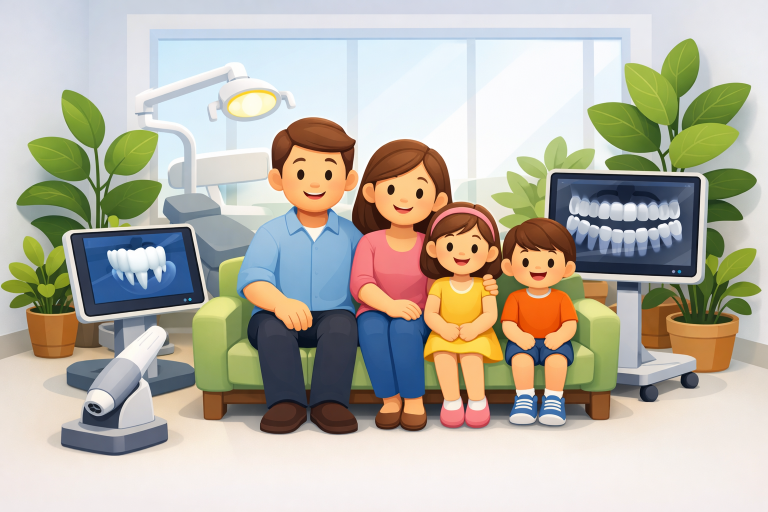
The transition from traditional X-rays to digital imaging has dramatically improved diagnostic precision while reducing radiation exposure. Digital radiographs generate immediate, high-resolution images for clearer treatment decisions and patient explanations. Intraoral cameras enhance trust and transparency by allowing families to see what their dentist observes during an exam. Cone Beam Computed Tomography (CBCT) scanners further advance diagnostics through 3D visualization, improving planning for complex treatments such as implants or orthodontics. These advances help ensure families receive care that is both safer and more efficient, particularly when integrated with immigration specialized health services that address the unique needs of diverse patient populations.
Further, digital workflows enable dentists to store and share results efficiently and to collaborate with specialists in real time. Treatment plans can be easily modified and discussed with caregivers and patients, helping to ensure everyone is on the same page and reducing the stress of uncertainty. This seamless flow of information not only speeds up decision-making but also personalizes care based on each family’s unique needs.
Preventive Care and Early Intervention
Modern family dentistry shifts the focus from treating issues after they develop to preventing problems before they arise. This approach includes risk assessments, regular professional cleanings, fluoride applications, sealants for children, and tailored home-care guidance. Early screening identifies risk factors, such as weak enamel or early-stage gum disease, enabling swift action that reduces the need for invasive interventions later. Studies show that preventive dental care reduces long-term dental costs and supports lifelong healthy habits.
Educational outreach has also become central to preventive strategies. Dentists now provide informational materials, in-office demonstrations, and digital resources to help families maintain healthy home routines. This focus on empowerment has made it easier for parents and children to recognize the signs of developing issues and to seek professional input early, dramatically reducing long-term complications.
Teledentistry: Expanding Access
Teledentistry is making it easier for families to maintain regular check-ins and diagnostic assessments, especially for those who are homebound or living in rural settings. Virtual consultations allow dentists to review symptoms, recommend care, or prescribe treatments remotely, saving both time and travel. Families with demanding schedules can access non-urgent care or seek triage for emergencies, ensuring continuous support even outside regular office hours.
Not only does teledentistry offer greater scheduling flexibility, but it also enables real-time communication between patients and dental professionals. This ongoing connectivity empowers families to stay proactive about their oral health, catching potential issues early and preventing complications from developing out of sight.
Teledentistry platforms often include features such as secure document exchange, online appointment scheduling, and video-based educational sessions. This comprehensive digital approach ensures that a wide range of dental health services can be accessed from the comfort and privacy of home. For families with limited local resources, this can help bridge the gap to consistent oral healthcare.
3D Printing in Dental Restorations
3D printing technology is revolutionizing how dental appliances are made. Crowns, bridges, dentures, and even orthodontic aligners can now be created on-site rather than sent to a laboratory, reducing wait times and improving fit. Advanced scanning and printing technologies yield restorations that more closely match natural teeth, enhancing both appearance and function for patients of all ages.
This fast, efficient solution decreases turnaround time and allows same-day fabrication for many common dental prosthetics. As a result, families benefit from reduced disruption to daily life and fewer trips to the dentist’s office, while still receiving state-of-the-art care and a personalized touch that leads to high satisfaction rates.
As the capabilities of 3D printing continue to advance, the possibility of customized, biocompatible materials for specific allergies and sensitivities is becoming more attainable. This trend toward personalization underscores the family dentist’s role in providing not just functional, but truly individualized care for each patient, further enhancing trust and satisfaction at every visit.
AI in Dental Diagnostics
Artificial intelligence tools are rapidly becoming integral to dental diagnostics. AI-powered platforms can quickly scan digital X-rays for early signs of decay or disease, improving diagnostic accuracy and allowing for consistent second opinions. AI also streamlines practice operations, automating appointment reminders, forecasting inventory needs, and even predicting missed appointments based on historical data. This technological boost frees up more time for dental professionals to focus on providing personal care while minimizing administrative burdens.
This integration of AI not only enhances the quality and speed of care but also supports early detection of oral cancers and other rare conditions. With the power to continuously learn from new data, AI-driven systems help ensure that evolving threats to oral health are identified as soon as possible, dramatically increasing the chances of successful intervention and better outcomes for families everywhere.
Enhanced Patient Experience
Reducing anxiety, discomfort, and barriers to care are now top priorities in dental practices. Computer-assisted anesthetic delivery, gentle sedation methods, and the use of topical numbing agents are tailored to minimize pain and foster a sense of safety. Dental offices are designed with calming features such as natural light, comfortable seating, and access to entertainment options. These improvements help patients with sensory sensitivities or dental fears feel more at ease, ensuring positive dental visits for the entire family.
Additionally, more dental practices now provide specialized care plans for children with autism or sensory processing disorders, including quiet rooms and weighted blankets for relaxation. This inclusive mindset shows a new level of commitment to making dental care accessible and pleasant for everyone, regardless of personal needs or past experiences.
Sustainable and Eco-Friendly Practices
Environmental stewardship has become an important value in dentistry. Many practices now use biodegradable products, mercury-free fillings, and implement strict recycling protocols to reduce their ecological impact. Sustainable choices, such as digital documentation and minimizing single-use plastics, resonate with families who prioritize environmental responsibility and the well-being of their community.
In addition, teams are increasingly educating patients about the environmental benefits of these practices, fostering a sense of shared responsibility. These efforts not only promote sustainability but also instill pride and confidence among patients who value conscious choices throughout their healthcare experience.
Green certifications and energy-efficient equipment are also becoming more common, and many dental teams contribute to local community clean-ups or sponsor eco-friendly events. These visible efforts reinforce the interconnected nature of oral health, public health, and planetary health, an outlook that appeals to both current patients and the next generation.
Whole-Health Integration
Mounting research connects oral health to overall systemic wellness. There are proven links between gum disease and heart problems, diabetes, pregnancy complications, and more. Today’s dental teams increasingly coordinate with medical providers when dental findings signal broader health concerns. This collaborative approach ensures that oral health becomes a seamless part of lifelong wellness, helping patients with chronic conditions better manage their health and reducing the risk of undetected illness.
Patient records are now commonly shared electronically among dental and medical professionals (with patient consent), which supports a more integrated healthcare experience. This cooperation allows for more targeted advice and earlier intervention, further safeguarding the well-being of the entire family.
Final Thoughts
Family dentistry continues to embrace a future focused on technology, prevention, and patient-centered care. By remaining aware of these progressive trends, families can make empowered choices that secure optimal oral health and a better quality of life for every member, now and in the years to come.