
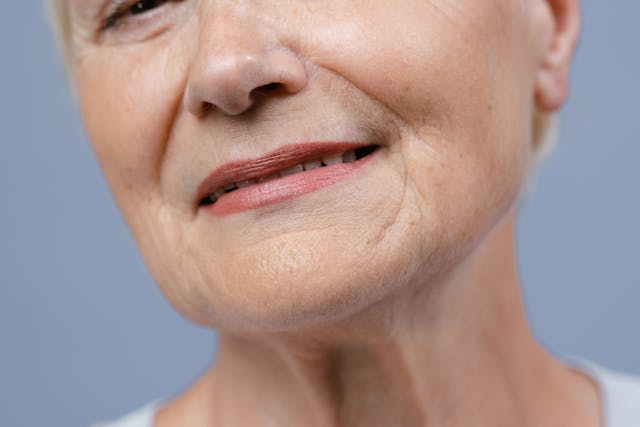
When most people think about aging, they often focus on external factors like sun exposure, pollution, or genetics. However, there’s another major contributor lurking quietly within our everyday diets: sugar glycation. Recent research shows that the foods we eat—especially those high in sugars and carbohydrates—can dramatically speed up the aging process, particularly when it comes to our skin.
Understanding how sugar impacts our health at the cellular level is crucial if we want to maintain not just a youthful appearance, but overall vitality as we age.
What Is Sugar Glycation?
Sugar glycation is a biological process where sugar molecules like glucose and fructose bind to proteins or fats without any enzymatic help, forming harmful compounds known as advanced glycation end products (AGEs). Over time, these AGEs build up in the body and damage critical structures, especially in the skin.
Collagen and elastin, two proteins responsible for skin firmness and elasticity, are particularly vulnerable to glycation. When sugars attach to these proteins, they lose flexibility and strength. The result? Fine lines, wrinkles, sagging, and a noticeable decline in skin texture and resilience. Even advanced cosmetic treatments may struggle to overcome the damage if a poor diet continues unchecked.
The Carb Connection
Carbohydrates, especially refined ones like white bread, pastries, and sugary beverages, break down quickly into simple sugars in the bloodstream. This rapid spike in glucose levels accelerates the glycation process, amplifying the aging effects on the skin and other organs.
Fructose, in particular, poses a unique threat. Unlike glucose, which is used by nearly every cell in the body, fructose is processed almost exclusively in the liver. This specialized metabolism leads to several health issues, including fat accumulation, insulin resistance, elevated blood lipids, and increased uric acid levels. Moreover, fructose often hides in processed foods, making it an invisible enemy for those trying to maintain a healthy, youthful appearance.
Preformed AGEs in Food
Adding to the challenge, many foods come preloaded with AGEs even before we consume them. Cooking methods like grilling, frying, and roasting at high temperatures produce large amounts of these compounds. Processed foods also tend to be AGE-rich. This means that even if you’re avoiding sweets, you could still be introducing damaging AGEs into your system through other dietary choices.
For those who undergo cosmetic procedures like microneedling, lasers, or injectables, maintaining a low-AGE diet is critical. High AGE levels can impair healing, reduce skin elasticity, and diminish the overall results of cosmetic interventions.
How to Protect Your Skin and Health
The good news is that dietary choices can significantly reduce the accumulation of AGEs and slow the aging process. Here are a few strategies:
-
Opt for low-glycemic foods: Focus on vegetables, lean proteins, healthy fats, and whole grains rather than refined carbohydrates.
-
Cook smart: Choose methods like steaming, boiling, or poaching instead of frying or grilling.
-
Limit processed foods: Avoid packaged snacks, frozen meals, and sugary treats as much as possible.
-
Focus on antioxidant-rich foods: Berries, leafy greens, nuts, and seeds can help neutralize the damage caused by AGEs.
Switching to a low-carb, nutrient-dense eating style can be a powerful tool for better skin and overall health. If you’re looking for a practical way to start, Quick and Easy Keto Meals for Busy Weeknights offers simple, satisfying recipes that align with anti-glycation principles. It’s a great way to maintain a healthy lifestyle without sacrificing flavor or convenience.
Final Thoughts
While skincare routines and cosmetic treatments have their place, true anti-aging efforts must start from within. Managing sugar and carbohydrate intake is essential to protecting collagen, supporting skin elasticity, and preserving youthful vitality. By making conscious dietary changes today, you can set yourself up for healthier, more radiant years ahead — from the inside out.