
Oral health plays a vital role in overall wellbeing. Tooth decay and plaque buildup are among the most common dental issues worldwide. Understanding how to prevent and manage these conditions is crucial for maintaining healthy teeth and gums.
Understanding Tooth Decay
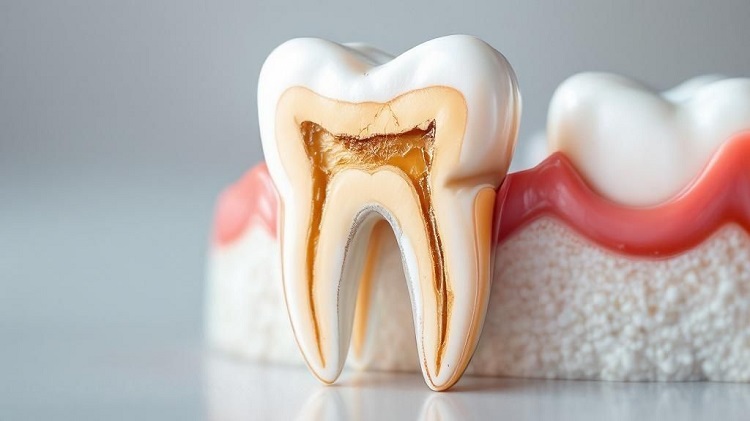
Tooth decay, also known as dental caries, occurs when acids produced by bacteria erode the enamel, leading to cavities. Plaque, a sticky film of bacteria and food particles that forms on teeth, is the main contributor to this process. If left untreated, decay can progress to deeper layers of the tooth, causing pain, infection, and even tooth loss.
Early recognition of tooth decay is essential. Symptoms may include sensitivity to hot or cold foods, visible pits or holes in teeth, and occasional toothache. Regular dental check-ups help detect decay early, allowing for timely intervention.
Effective Treatment of Tooth Decay
Proper treatment of tooth decay depends on the severity of the condition. In its initial stages, fluoride treatments and improved oral hygiene may halt the progression of decay. For more advanced cases, dentists typically perform fillings, crowns, or root canal procedures to restore the tooth’s structure and function. Maintaining good oral hygiene after treatment is essential to prevent recurrence.
The Role of Plaque in Oral Health
Plaque is the primary cause of tooth decay and gum disease. It forms continuously on teeth and along the gumline. If not removed regularly through brushing and flossing, plaque hardens into tartar, which can only be removed professionally.
Using an antimicrobial mouthwash helps reduce plaque buildup, reaching areas that brushing alone may miss. Controlling plaque not only prevents tooth decay but also reduces the risk of gum disease and bad breath.
Tips for Preventing Tooth Decay and Plaque Buildup
- Brush twice daily: Use fluoride toothpaste to remove plaque and strengthen enamel.
- Floss daily: Clean between teeth to prevent plaque accumulation.
- Use an antimicrobial mouthwash: Reduces bacteria and supports healthy gums.
- Limit sugary and acidic foods: These promote bacterial growth and enamel erosion.
- Schedule regular dental check-ups: Professional cleaning removes hardened plaque and early decay.
- Stay hydrated: Saliva naturally helps wash away food particles and bacteria.
The Impact of Diet and Lifestyle on Enamel Health
Beyond daily brushing and flossing, one of the most controllable factors influencing long-term oral health is dietary choice and lifestyle habits. Frequent consumption of highly sugary drinks and acidic foods (such as citrus fruits, sodas, and sports drinks) creates a highly acidic environment in the mouth, accelerating the erosion of tooth enamel and providing fuel for cavity-causing bacteria.
Similarly, lifestyle habits like smoking severely compromise gum health, constricting blood flow to the gums and making them more susceptible to periodontal disease, a condition that destroys the bone supporting the teeth. Adopting a balanced diet rich in calcium and phosphorus, reducing snacking frequency, and consciously avoiding tobacco products are critical, often overlooked steps in preventing both dental caries and serious gum disease.
Conclusion
Maintaining optimal oral health requires a proactive approach to managing plaque and preventing tooth decay. Timely treatment of tooth decay, combined with daily oral hygiene practices like brushing, flossing, and using mouthwash, ensures stronger teeth and healthier gums. Consistent care not only protects your smile but also contributes to overall wellbeing.