
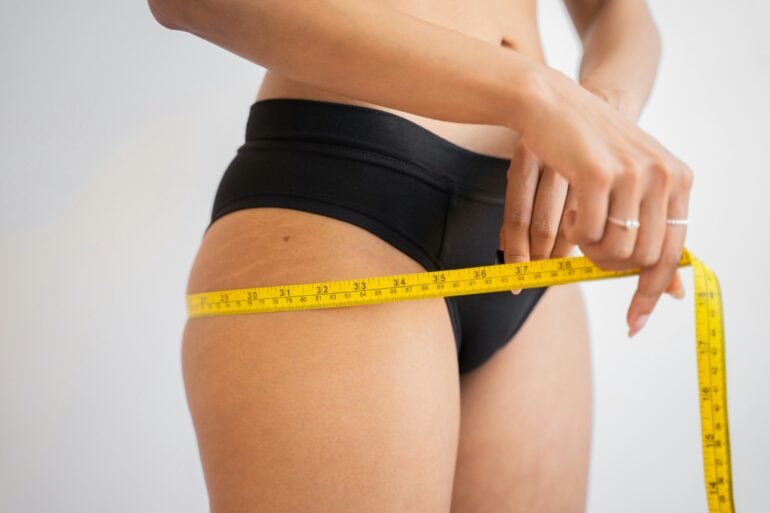
Many people work hard to improve their appearance through diet, exercise, and healthy lifestyle choices, but sometimes certain areas of the body do not respond the way they hope. Loose skin, stubborn fat deposits, and changes caused by aging, pregnancy, or major weight loss can leave people feeling uncomfortable or self-conscious. Body contouring procedures are designed to reshape and refine specific areas of the body to help create a smoother and more balanced appearance. These treatments can range from surgical procedures to non-invasive options, depending on a person’s goals and overall health.
Body contouring can include a variety of treatments that target excess fat, sagging skin, or lack of muscle definition. Some of the most common areas treated include the abdomen, thighs, hips, arms, back, and chin. Surgical procedures such as liposuction, tummy tucks, and body lifts physically remove fat or excess skin, while non-surgical treatments may use heat, cold, radiofrequency, or ultrasound technology to reduce fat cells or tighten skin without major recovery time. The right option often depends on how dramatic the desired results are and how much downtime a person can manage.
Many people choose body contouring after significant weight loss. Losing a large amount of weight is a major accomplishment, but it can sometimes leave behind loose or hanging skin that exercise cannot tighten. This extra skin may cause discomfort, irritation, or make it difficult to find properly fitting clothes. Body contouring procedures can help remove this excess skin and improve overall comfort and confidence. Some patients also choose these treatments after pregnancy when diet and exercise alone are not enough to restore certain areas of the body.
Others seek body contouring simply because they want to improve their appearance and feel better about themselves. Even people who are already at a healthy weight may struggle with stubborn pockets of fat that do not respond to exercise. Areas like the lower stomach, love handles, or upper arms are common trouble spots. Body contouring can help fine-tune these areas and create a more sculpted look. While these procedures are not intended to replace weight loss, they may enhance the results of a healthy lifestyle.
Non-surgical body contouring has become increasingly popular because it often requires little or no downtime. Treatments such as CoolSculpting, laser fat reduction, and radiofrequency skin tightening allow people to return to normal activities quickly. These options may appeal to people who are not ready for surgery or who only need small adjustments. Results are usually more gradual than surgery, and multiple sessions may be needed, but many patients appreciate the convenience and lower recovery demands.
Surgical body contouring procedures tend to provide more dramatic and immediate changes. However, they also involve anesthesia, recovery periods, and some level of risk. Swelling, bruising, and discomfort are common during healing, and patients must carefully follow aftercare instructions to achieve the best outcome. Choosing a qualified and experienced medical professional is one of the most important steps in the process. A proper consultation allows patients to discuss goals, review medical history, and understand what results are realistic.