
Key Takeaways
- Functional fitness develops strength for practical actions such as lifting, reaching, carrying, stepping, and standing.
- A balanced plan includes strength work, mobility, balance, conditioning, and recovery.
- Simple movement patterns are often more sustainable than constantly changing workouts.
- Most adults benefit from regular aerobic activity plus muscle-strengthening sessions each week.
- Progress can be measured by better movement, improved energy, and greater confidence in daily tasks.
Table of Contents
- What Functional Fitness Means
- Why Daily Movement Matters
- The Key Movement Patterns
- How to Build a Weekly Plan
- A Simple Beginner Workout
- How to Progress Safely
- Common Mistakes to Avoid
- Frequently Asked Questions
- Final Thoughts
Fitness is most useful when it makes everyday life feel easier. Whether you are carrying groceries, getting up from the floor, climbing stairs, or lifting a suitcase, functional fitness builds the strength, mobility, and control behind those tasks. Working with a personal training gym can offer hands-on guidance, but an effective routine can also begin at home with simple, repeatable movements.
The goal is not to chase complicated exercises or punishing workouts. It is to practice the basic ways the body moves, progress at a sensible pace, and build habits that support energy, confidence, and independence over time.
What Functional Fitness Means
Functional fitness centers on movement patterns that carry over to life outside a workout. Instead of focusing only on one muscle at a time, it trains coordinated actions such as squatting, hinging, pushing, pulling, carrying, stepping, and rotating. The result is useful strength, not just exercise-specific performance.
You do not need a particular style of equipment to train functionally. Bodyweight movements, resistance bands, dumbbells, kettlebells, machines, and even household objects can all work. The best option is the one that lets you move with good control and repeat the routine consistently.
Why Daily Movement Matters
Daily movement relies on more than raw strength. Standing from a low chair requires leg strength and balance. Putting an item on a high shelf requires shoulder control. Picking up a laundry basket requires a stable hinge. Walking uphill or across uneven ground calls on endurance, coordination, and confidence.
Regular activity supports physical and mental health, while strength training can help maintain the ability to perform ordinary tasks. The recommended weekly activity levels for adults include at least 150 minutes of moderate activity and muscle-strengthening work on two or more days. Research on functional task exercise has examined improvements in functional ability and health-related quality of life.
The Key Movement Patterns
A practical routine does not need dozens of exercises. Start with a handful of movement patterns and choose versions that fit your current ability.
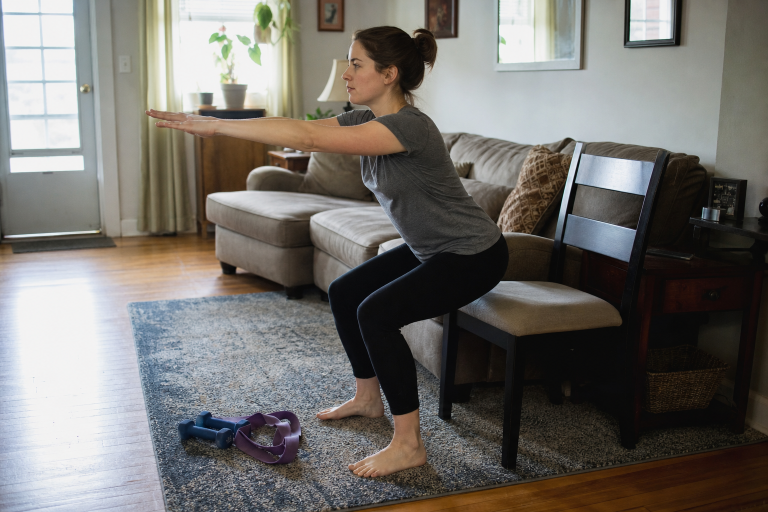
- Squat: Supports sitting down, standing up, and climbing stairs.
- Hinge: Builds control for picking objects up from the floor.
- Push: Helps when pressing objects away from the body.
- Pull: Supports posture and drawing objects toward you.
- Carry: Challenges grip, posture, balance, and core stability.
- Step: Develops leg strength and coordination for stairs and uneven surfaces.
- Rotate: Builds controlled movement through the hips and trunk.
At first, movement quality matters more than load. Use a comfortable range of motion, maintain steady breathing, and avoid rushing through repetitions.
How to Build a Weekly Plan
A useful plan fits around work, family, travel, and changing energy levels. Rather than waiting for the perfect hour-long workout, schedule smaller sessions that you can actually maintain.
Suggested Weekly Structure
- Two days: Full-body strength sessions.
- Two to four days: Walking, cycling, swimming, or another moderate activity.
- Most days: Brief mobility breaks, easy walks, or light stretching.
- One or two days: Rest or lower-intensity recovery activity.
Three 15-minute sessions can be just as valuable as one longer workout when they help you stay consistent. The most effective routine is usually the one you can follow for months, not the hardest one you can finish once.
A Simple Beginner Workout
Perform this session two times per week on nonconsecutive days. Move slowly, use light resistance, and stop if you experience sharp, sudden, or worsening pain.
Sample Full-Body Session
- Warm-up: Five minutes of easy walking, marching, shoulder rolls, and gentle hip movement.
- Chair squat: Two sets of eight to 12 repetitions.
- Hip hinge: Two sets of eight to 12 repetitions.
- Wall push-up: Two sets of eight to 12 repetitions.
- Band row: Two sets of eight to 12 repetitions.
- Farmer carry: Two short walks while holding light weights or household objects.
- Balance hold: Two 15- to 30-second holds per side, with a wall nearby for support.
- Cool-down: Five minutes of relaxed walking and easy stretching.
Make the workout easier by using a higher chair, reducing the movement range, choosing lighter resistance, or completing fewer repetitions. Those adjustments are smart training choices, not setbacks.
How to Progress Safely
Progress is not limited to adding weight. You can add one repetition, improve your control, use a slightly larger range of motion, reduce rest time, or choose a more challenging variation. Change only one variable at a time so your body can adapt.
Simple Progression Steps
- Learn the movement with steady, controlled form.
- Practice it consistently for two to three weeks.
- Add a small amount of resistance or one extra repetition.
- Check your form before making another change.
- Use easier days when fatigue begins to build.
People with recent injuries, persistent pain, balance concerns, or medical conditions should seek individualized guidance from a qualified health professional before making major changes to their routine.
Common Mistakes to Avoid
- Starting too intensely: Begin below your maximum effort so you can recover and return.
- Rushing repetitions: Slow down and prioritize body position over speed.
- Changing exercises constantly: Keep core movements long enough to improve them.
- Skipping balance and mobility: Add a few minutes of each throughout the week.
- Using pain as proof of success: Aim for effort and muscle fatigue, not sharp pain.
- Choosing an unrealistic schedule: Build around the time you truly have available.
Frequently Asked Questions
Is Functional Fitness Good for Beginners?
Yes. Beginners can use basic versions of everyday movements, such as chair squats, wall push-ups, supported balance holds, and light carries. The routine should match current strength, mobility, and experience.
Can Functional Fitness Help With Weight Management?
It can support energy use and muscle retention, but lasting weight changes also depend on eating habits, sleep, stress, and overall daily activity.
Does Functional Fitness Require a Gym?
No. A chair, a wall, a resistance band, and a pair of light weights are enough for many effective beginner sessions.
What If an Exercise Causes Pain?
Stop the movement and assess it. Mild effort is different from sharp, sudden, or worsening pain. Persistent symptoms deserve attention from a qualified health professional.
Final Thoughts
Fitness should help you feel more capable in your own life. By practicing useful movement patterns, progressing gradually, and allowing enough recovery, modest workouts can create meaningful improvements. Start where you are, keep the plan simple, and let steady effort build everyday strength throughout 2026.