
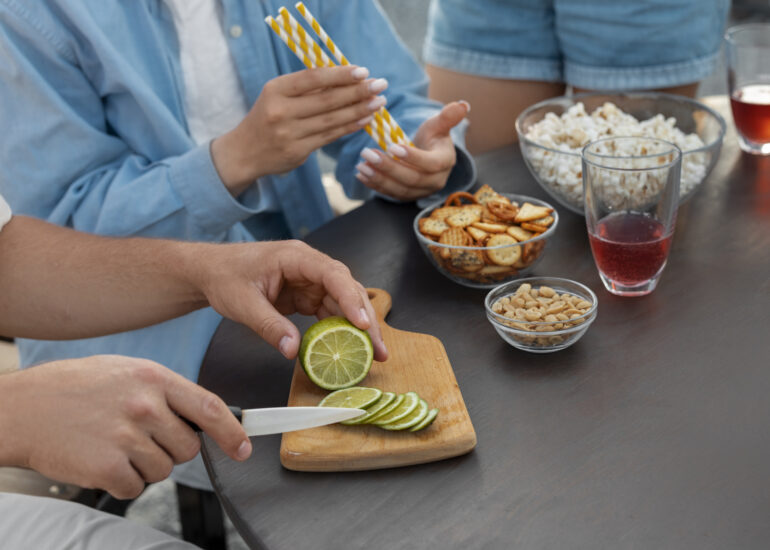
Have you ever looked down at your empty lunch plate and realized you didn’t actually taste a single bite?
We are all guilty of it. We eat while answering emails. We drink coffee just to get the caffeine into our bloodstream. We scroll through Instagram while a movie plays in the background. In our drive to be efficient, we have accidentally trained ourselves to be numb. We operate on autopilot, filtering out the details of daily life just to get through the to-do list.
The problem is that this is exhausting. It leads to burnout because your brain never truly switches gears; it just hums along in a state of low-grade stress.
This is why “slow” hobbies are having a massive resurgence. It isn’t just about being fancy or collecting things. It is about forcing the brain to stop multitasking and focus on one single input. Whether it’s dissecting the acidity of a pour-over coffee or sitting on the patio with premium cigars, these sensory pursuits act as a manual brake for a racing mind.
Here is why treating your palate like a muscle might be the best thing you can do for your mental clarity.
The Difference Between Eating and Tasting
There is a massive biological difference between consuming something and actually tasting it. When you mindlessly eat a sandwich while driving, your brain is in survival mode. It registers calories and full, and that’s it.
But when you decide to actively taste something, you have to engage a completely different part of your brain—specifically the orbitofrontal cortex, which handles decision-making and sensory integration. You are giving your brain a puzzle to solve: What is that smell? Is that nutmeg? Is it cedar? Is it dried fruit?
You literally cannot worry about tomorrow’s meeting while you are trying to figure out if your dark chocolate has notes of raspberry or tobacco. The brain can’t hold both thoughts at once. By focusing intensely on a flavor, you force the part of the brain that loves to worry to be quiet for a few minutes.
Memory-Boosting for Adults
One of the best ways to keep your brain sharp as you age is to challenge it with new connections. Connecting a physical sensation (taste/smell) to language is a surprisingly hard cognitive workout.
We all know what a strawberry tastes like. But try describing that flavor to someone without using the word strawberry or sweet. It’s difficult, right? You have to dig into your memory banks.
- Does it remind you of a specific summer?
- Is it tart like a lemon or jammy like a preserve?
When you sit down with a complex scotch or a cigar, you play this game of “name that note.” You might pick up hints of leather, earth, black pepper, or cream. Searching for the right words strengthens neural pathways. It makes you more observant, not just of what you are eating, but of the world around you. You start noticing the smell of rain on hot asphalt or the specific spices in your dinner. You stop being a passive observer of your life and start paying attention to the details again.
The Ritual is the Off Switch
The mental health benefits of these hobbies often start before you even take the first sip or puff. The value is in the ritual.
In a world where our laptops are open on the kitchen table, we lack clear boundaries between work and rest, and a sensory hobby creates that boundary.
- The Coffee Ritual: It’s the weighing of the beans, the noise of the grinder, and the slow pour of the water.
- The Cigar Ritual: It’s the tactile feel of the wrapper, the precision of the cut, and the patience required to toast the foot properly so it burns evenly.
You can’t rush these things. If you rush a pour-over, it tastes bitter. If you smoke a cigar too fast, it gets hot and harsh. The hobby itself demands patience. It forces you to slow your breathing and your movements. It is a physical signal to your body that says: “The hustle is over. We are just sitting here now.”
How to Start a Sensory Journal
You don’t need to be a sommelier or an expert to get the benefits. You just need to be curious. The best way to build this mindfulness habit is to keep a notebook nearby.
- The No Phone Rule: This is the only hard rule. If you are tasting, the phone is in the other room. Give yourself 15 minutes of silence.
- The Rule of Three: Try to find three specific flavors. Don’t worry if they sound weird. If a wine tastes like wet rocks or grandma’s purse, write it down. There are no wrong answers; you are just logging data.
- The Mood Check: Write down how you felt before you started and how you felt after. You will almost always find that twenty minutes of staring at smoke rings or swirling a glass of wine lowers your heart rate more effectively than an hour of watching TV.
A Culture of Self-Care
We tend to think of hobbies as wasting time, but in a culture that demands constant output and productivity, doing something purely for the sensory experience of it is a radical act of self-care. You don’t need to become a snob about it. You just need to stop swallowing life whole. Take a moment to smell the coffee, taste the bourbon, or savor the smoke. Your brain will thank you for the break.