

The Hierarchy of Modern Healthcare Services

Our guide will explore the many parts of modern healthcare. We will look at different types of care, from basic check-ups to highly specialized treatments. We will also examine how health insurance plans support these services. Technology’s powerful role in delivering care will also be a key focus.
We believe that true health integrates all aspects of our lives. Therefore, we will particularly highlight the critical advances in both dental healthcare services and mental healthcare services. These areas are fundamental to our overall physical and emotional well-being. For example, the availability of diverse Restorative healthcare denture options helps many individuals regain function and confidence.
Join us as we uncover the latest trends, innovations, and best practices shaping the future of comprehensive care.
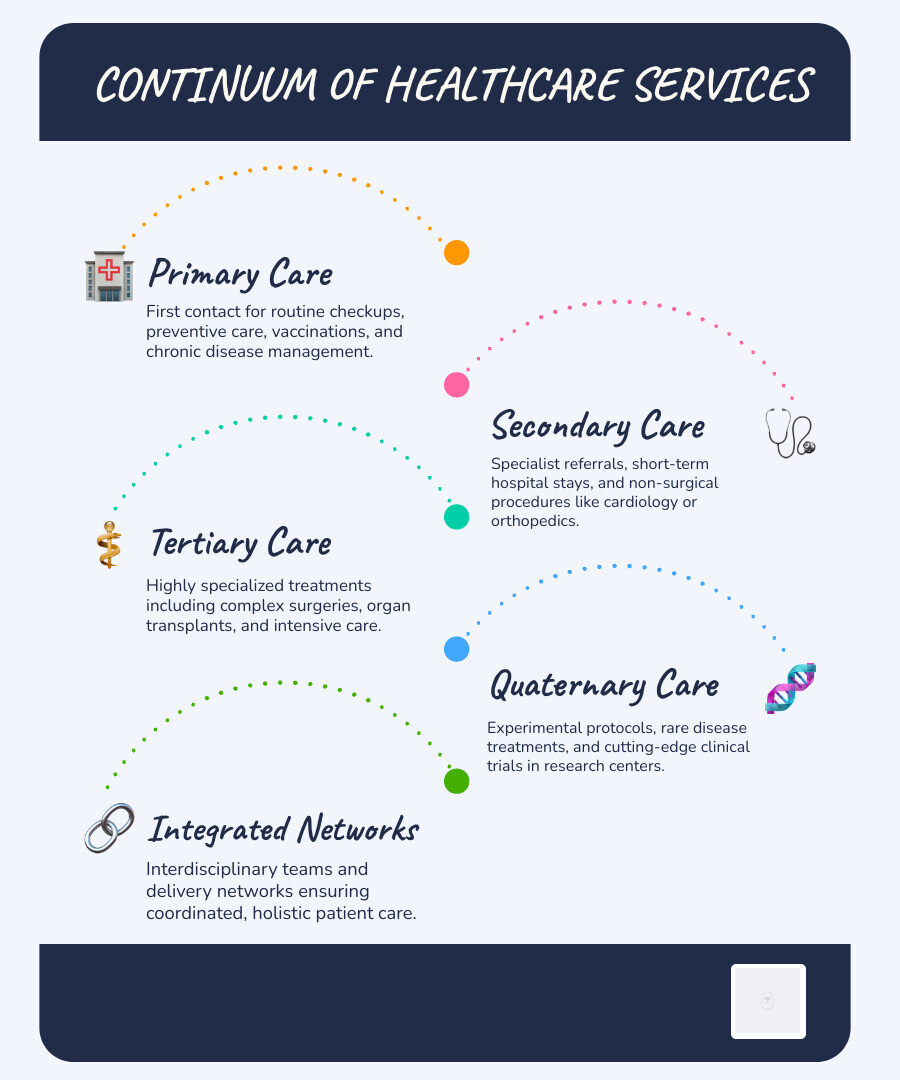
Understanding the structure of healthcare services is crucial for navigating the system effectively. We typically categorize care into four distinct levels: primary, secondary, tertiary, and quaternary, each building upon the complexity and specialization of the last. A well-functioning health system, as outlined by the World Health Organization, relies on robust financing, a skilled workforce, reliable data for decision-making, and well-maintained facilities.
Primary care serves as the first point of contact for most individuals, focusing on routine checkups, preventive care, and the management of common chronic diseases. This level of care emphasizes continuity, accessibility, and comprehensive support across all ages and socioeconomic groups. Services commonly offered include vaccinations, health screenings, and initial diagnoses for various ailments.
When a patient’s condition requires more specialized attention, they are referred to secondary care. This level involves short-term hospital stays, specialized consultations, and non-surgical procedures. Think of services like cardiology, dermatology, or orthopedics that address specific health concerns that go beyond the scope of general practice.
Tertiary care steps in for highly specialized diagnostic and treatment services, often requiring advanced equipment and expertise. This includes complex surgeries, organ transplants, and intensive care. These services are typically provided in large regional or national hospitals equipped to handle severe and complex medical conditions.
Finally, quaternary care represents an even more specialized and experimental level of medicine. It often involves highly uncommon diagnostic or surgical procedures and experimental protocols, typically found in academic medical centers or specialized research hospitals. This is where cutting-edge treatments and clinical trials for rare diseases are conducted, pushing the boundaries of medical science.
Across all these levels, the modern healthcare landscape increasingly relies on interdisciplinary teams and integrated delivery networks. These collaborative models ensure that patients receive coordinated care, with specialists communicating effectively to provide a holistic approach to treatment. This seamless integration is vital for managing complex conditions and improving overall patient outcomes.
The evolution of healthcare also means that facilities are becoming more advanced. From the local clinic to the most advanced hospital, technology plays a pivotal role.

Innovations in Digital Healthcare Services
The digital revolution has profoundly reshaped healthcare delivery by May 2026. Technology is not just an enhancement; it’s an integral part of how we access, manage, and receive care. Innovations like telemedicine, electronic health records (EHRs), and mobile health apps have made healthcare more accessible, efficient, and personalized.
Telemedicine, for instance, has moved beyond a temporary solution during global health crises to become a standard mode of care delivery. Patients can now consult with doctors, receive diagnoses, and even get prescriptions remotely, often through secure video calls or messaging platforms. This significantly reduces geographical barriers and improves convenience, especially for routine follow-ups or minor ailments.
Electronic health records have streamlined information sharing among providers, ensuring that a patient’s complete medical history is readily available to their care team. This reduces errors, prevents redundant tests, and facilitates better-coordinated care. Mobile health apps empower individuals to monitor their health, track fitness goals, manage chronic conditions, and even access mental health support from the convenience of their smartphones.
Beyond individual patient care, digital health hubs are emerging to simplify complex healthcare management for various stakeholders. For example, Health Care Service Corporation (HCSC) has launched innovative solutions like Unity Health Hub, designed to simplify digital health for employers and their employees. These platforms aim to integrate various health services and benefits into a single, user-friendly interface.
Government initiatives are also leveraging technology to drive public health improvements. The Department of Health & Human Services (HHS) is spearheading the “Make America Healthy Again” (MAHA) initiative, which includes tackling the chronic disease crisis and addressing issues like psychiatric overprescribing. Part of this effort involves advancing real-time clinical trials, with the FDA launching proofs-of-concept and pilot programs to accelerate drug development and ensure data accountability. This focus on real-time data and rapid iteration is transforming how new treatments are brought to market.
Further technological advancements include AI-driven diagnostics, which assist clinicians in identifying diseases earlier and more accurately, and remote patient monitoring devices that track vital signs and other health metrics from afar. These innovations not only improve diagnostic precision but also enable proactive interventions, moving healthcare towards a more preventive and personalized model. The continuous integration of these digital tools is making healthcare delivery more responsive, efficient, and ultimately, more effective for everyone.
Navigating Health Insurance and Financing Models
Understanding how healthcare services are financed is as crucial as understanding the services themselves. Health insurance plans are the primary mechanism through which most individuals access care, involving a complex interplay of premiums, deductibles, and out-of-pocket costs. Premiums are the regular payments made to an insurance provider, while deductibles represent the amount a policyholder must pay out of pocket before their insurance coverage begins to pay. Co-pays and co-insurance are additional out-of-pocket expenses for services after the deductible is met.
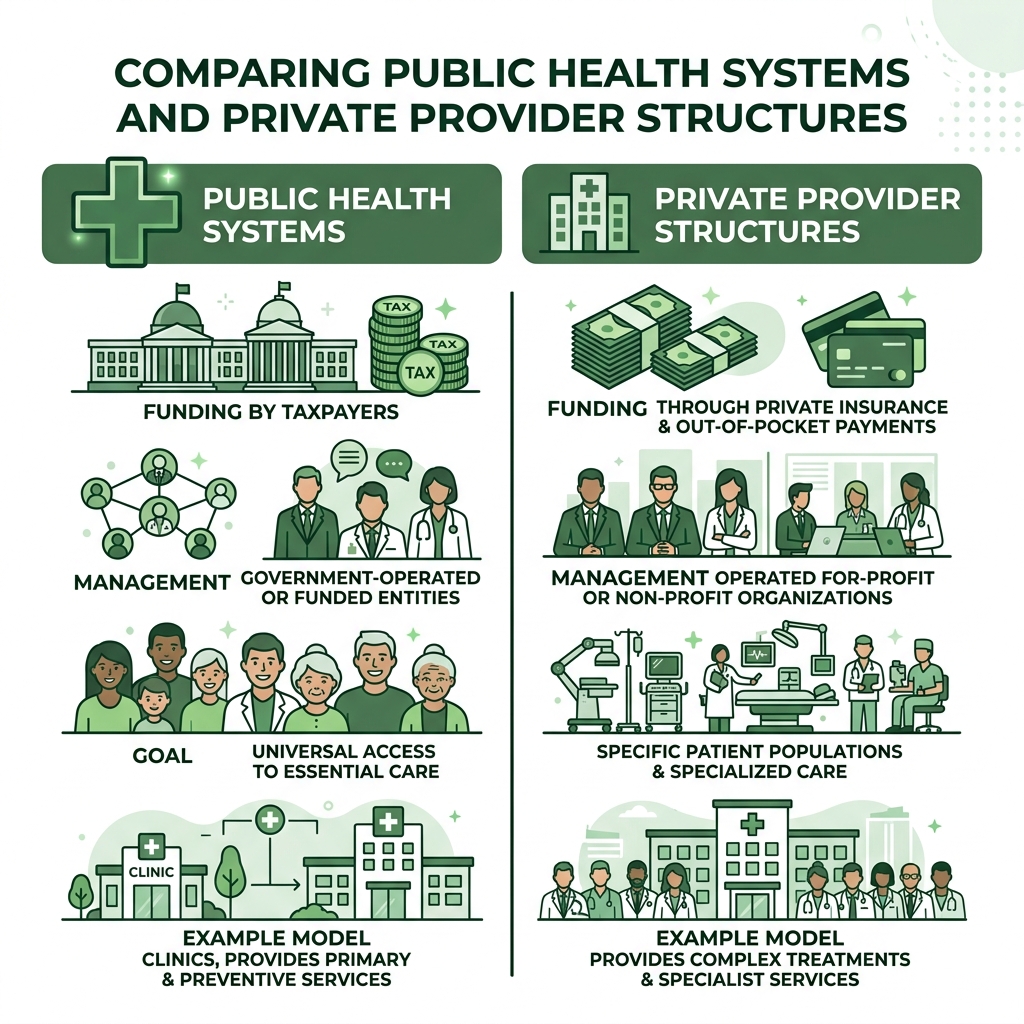
Globally, healthcare financing models vary significantly, impacting access, quality, and overall health outcomes. These models generally fall into two broad categories: public health systems and private healthcare providers. Public health systems, often funded by government taxes, aim to provide universal access to care, with services typically managed by entities like the Department of Health & Human Services (HHS) in the U.S. or the World Health Organization (WHO) internationally. Private healthcare providers, on the other hand, operate on a for-profit or non-profit basis, with services primarily funded through private insurance, out-of-pocket payments, or employer-sponsored plans.
The United States, for instance, stands out with its unique financing model. In 2020, healthcare spending accounted for a staggering 18% of its GDP, making it one of the largest sectors of the U.S. economy. This translates to a high per capita cost; in 2022, the U.S. total healthcare cost per person was $12,555 (PPP-adjusted), significantly higher than countries like Canada, which spent $6,319 per person. Despite this high expenditure, U.S. life expectancy at birth ranks 26th among 34 OECD countries at 78.7 years, suggesting that higher spending does not always equate to better health outcomes. In fact, some studies indicate that for every extra $1000 spent on healthcare in OECD countries, life expectancy falls by 0.4 years on average, highlighting potential inefficiencies or misallocations of resources.
Major healthcare providers and insurers play a significant role in this landscape. Companies like UnitedHealthcare offer a range of plans, including ACA Marketplace, Medicare Advantage, and Medicaid options, often incorporating wellness and rewards programs to incentivize healthy behaviors. Kaiser Permanente, named the best health insurance company of 2026 by Insure.com, exemplifies an integrated care model where health plans, doctors, and hospitals work together. Health Care Service Corporation (HCSC) serves over 27 million people across five states, demonstrating the scale of private sector involvement.
However, significant barriers to healthcare accessibility persist. Cost remains a primary hurdle, with high deductibles and out-of-pocket expenses preventing many from seeking necessary care. Geographic location also plays a critical role; rural areas often lack sufficient healthcare facilities and specialists, leading to disparities in access. Furthermore, the complexities of insurance plans, including navigating provider networks and understanding coverage details, can be daunting.
Addressing these challenges requires a multifaceted approach, blending robust public health initiatives with innovative private sector solutions. The goal is to create a system where quality care is not only available but also accessible and affordable for all, regardless of their financial situation or location.
The Critical Role of Comprehensive Dental Healthcare Services
Oral health is an indispensable component of overall well-being, often serving as a gateway to understanding broader systemic health. The oral-systemic link, which highlights the connection between oral health and conditions like heart disease, diabetes, and even certain cancers, underscores the critical importance of comprehensive dental healthcare services.
Preventive care forms the cornerstone of maintaining good oral health. Regular dental cleanings and checkups are essential not only for removing plaque and tartar that brushing and flossing can miss but also for early detection of potential issues. During these visits, dentists perform oral cancer screenings, which are vital for identifying the disease at a curable stage. Periodontal therapy, including scaling and root planing, is crucial for treating gum disease, a condition affecting 42% of adults aged 30 and over, with 8% experiencing severe periodontitis. The American Dental Association (ADA) recommends dental visits at least twice a year, or more frequently based on individual oral health needs, to effectively manage and prevent these conditions.
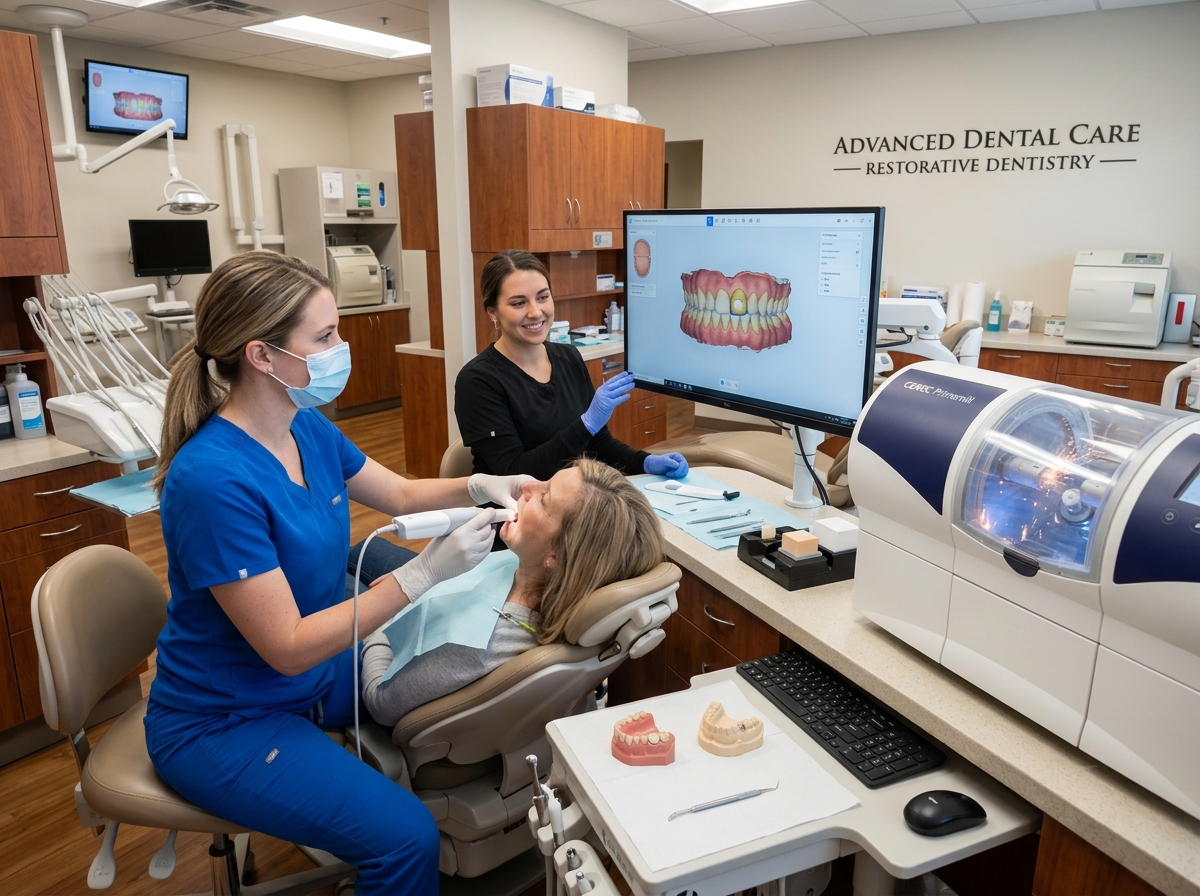
Beyond prevention, modern dentistry offers an extensive array of restorative treatments designed to repair, replace, and rejuvenate teeth. From simple fillings for cavities to complex procedures like dental implants, these services aim to restore function, aesthetics, and comfort. Dental implants, for instance, are widely recognized as the longest-lasting tooth replacement option available today, providing a durable solution for missing teeth. For those needing other solutions, various Restorative healthcare denture options are also available, tailored to individual needs and preferences.
Pediatric dentistry focuses on the unique oral health needs of children, emphasizing preventive measures like sealants and fluoride treatments to protect young teeth from decay. These early interventions are crucial for setting a foundation for lifelong oral health.
The scope of Comprehensive dental healthcare services extends to addressing dental emergencies, orthodontic treatments for alignment issues, and even specialized care for conditions like TMJ/TMD. The integration of advanced technology, such as digital imaging and laser therapy for periodontal treatments, further enhances the precision and effectiveness of dental care. By prioritizing regular visits and embracing the full spectrum of available dental services, individuals can significantly contribute to their overall health and quality of life.
Integrating Mental Healthcare Services for Holistic Wellness
Just as oral health is linked to physical well-being, mental health is inextricably tied to our overall health. In May 2026, there’s a growing recognition that true holistic wellness necessitates the integration of robust mental healthcare services into the broader healthcare system. This integration moves beyond simply treating mental illness to actively promoting mental well-being and resilience.
Psychiatric oversight and comprehensive mental health support are becoming more accessible, often within primary care settings. This approach helps destigmatize mental health issues and makes it easier for individuals to seek help. For instance, Kaiser Permanente offers mental health apps designed to support self-care for sleep, mood, and relationships, providing convenient access to tools that can improve daily well-being.
Wellness programs and patient rewards are increasingly being utilized to encourage engagement in both physical and mental health activities. Many health plans, including those offered by UnitedHealthcare, incentivize members for meeting wellness goals, recognizing that preventive mental health strategies are just as important as physical ones. These programs can include access to mindfulness resources, stress management workshops, and support for behavioral changes.
Preventive mental health involves identifying and addressing potential issues before they escalate. This includes educating parents on behavioral signs in youth that might indicate mental health challenges, as well as providing resources for early intervention. Community health efforts are also playing a crucial role in fostering multi-generational success by creating supportive environments that promote mental well-being across all age groups.
The “Make America Healthy Again” (MAHA) initiative from HHS, for example, is specifically targeting issues like psychiatric overprescribing, aiming to restore truth and accountability in public health practices related to mental health. This critical focus underscores the need for thoughtful and evidence-based approaches to mental healthcare.
Integrating mental healthcare services into a holistic framework means acknowledging that mental and physical health are two sides of the same coin. By providing accessible, comprehensive, and preventive mental health support, we empower individuals to achieve optimal health outcomes and contribute to a healthier, more resilient society.
Frequently Asked Questions about Healthcare Access
We understand that navigating the healthcare landscape can bring up many questions. Here, we address some common inquiries to provide clarity on key aspects of healthcare access and delivery in May 2026.
What is the difference between primary and tertiary care?
Primary care is your first point of contact in the healthcare system. It focuses on general health maintenance, routine checkups, preventive screenings, and managing common illnesses and chronic conditions. Think of your family doctor or general practitioner. Tertiary care, on the other hand, involves highly specialized, complex medical services, typically provided in large hospitals. This includes advanced surgeries, organ transplants, and intensive care for severe and complex conditions that require specialized expertise and equipment. The distinction lies in the level of specialization and complexity of the medical needs being addressed.
How has technology improved healthcare delivery in 2026?
Technology has revolutionized healthcare delivery in numerous ways by 2026. Telemedicine allows for remote consultations, significantly improving access for those in rural areas or with mobility challenges. Electronic Health Records (EHRs) ensure seamless information sharing among providers, reducing medical errors and enhancing coordinated care. Mobile health apps empower individuals to monitor their health, manage chronic diseases, and access mental health support on demand. Furthermore, AI-driven diagnostics assist in earlier and more accurate disease detection, while real-time clinical trials accelerate the development of new treatments. These innovations collectively make healthcare more efficient, accessible, and personalized.
Why is preventive care prioritized in modern insurance plans?
Preventive care is prioritized in modern insurance plans because it is a cost-effective strategy for improving long-term health outcomes. By encouraging routine checkups, screenings, and vaccinations, insurance providers aim to detect health issues early, often before they become severe and require more expensive, invasive treatments. For instance, regular dental cleanings prevent costly restorative procedures, and early detection of chronic diseases can lead to more manageable and less expensive long-term care. Many plans, like those from UnitedHealthcare, even offer wellness programs and rewards to incentivize healthy behaviors, recognizing that investing in preventive care ultimately leads to healthier populations and reduced overall healthcare expenditures.
Conclusion
As we look towards the future of healthcare in May 2026, it’s clear that we are on a path toward more integrated, patient-centered, and technologically advanced systems. The emphasis has shifted from merely treating illness to fostering holistic well-being, encompassing physical, mental, and oral health. Innovations in digital health, such as telemedicine and AI, are breaking down barriers to access and making care more efficient and personalized.
We’ve seen how financing models, while complex, are evolving to support these advancements, though challenges in accessibility and affordability persist. The critical roles of comprehensive dental and mental healthcare services are now widely recognized as fundamental to overall health outcomes. By integrating these often-overlooked areas, we empower individuals to achieve a higher quality of life.
The industry trends point towards continued collaboration among providers, insurers, and technology developers to create sustainable health systems. Patient empowerment, driven by accessible information and personalized care plans, will be key to navigating this evolving landscape. Our collective goal remains to ensure that every individual has the opportunity to achieve long-term wellness through comprehensive, compassionate, and cutting-edge healthcare services.