
There is a word appearing with increasing frequency in conversations about fragrance, in the ingredient lists of luxury perfumes, and in the search histories of consumers who have encountered something they can’t quite place but are determined to understand. That word is oud. And the question that inevitably follows it, what is oud exactly, is one of the most interesting questions in contemporary perfumery.
This article answers that question fully. Not just the dictionary definition, but the complete picture: where oud comes from, why it smells the way it does, what makes a genuine oud perfume different from the synthetic approximations that crowd the market, and why this ingredient, known and revered for over a thousand years, has found a vast new global audience in the past two decades.
Starting at the Beginning: What Is Oud?
The answer to what out is begins not in a perfume laboratory but in a rainforest. Oud is derived from agarwood, which is the resin-saturated heartwood of trees belonging to the Aquilaria genus. These trees grow across the rainforests of Southeast Asia and parts of South Asia, in countries including India, Bangladesh, Vietnam, Cambodia, Thailand, Indonesia, and Malaysia.
In their natural, healthy state, Aquilaria trees are unremarkable. Their wood is pale, light, and carries no significant scent. The transformation that produces agarwood occurs when the tree becomes infected by a specific pathogen, typically a mould of the Phialophora genus. In response to this infection, the tree produces a dark, aromatic resin that saturates the heartwood as a defence mechanism.
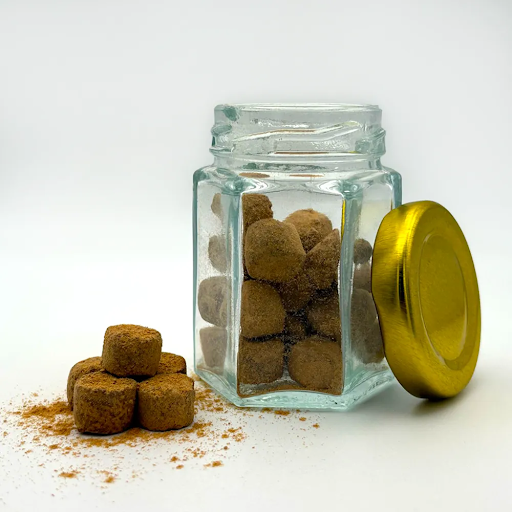
This resin accumulates over years and sometimes decades. The longer the accumulation, and the more complete the saturation, the higher the quality of the resulting agarwood. The infected, resin-saturated wood is harvested, processed, and then distilled to produce oud oil, also known as dehn al oud in Arabic, which is the aromatic essence used in perfumery.
The process is slow, the ingredient is rare, and the result is one of the most complex natural scent profiles in existence. According to CITES, the international body that regulates trade in threatened species, several Aquilaria species are now listed as vulnerable due to decades of overharvesting, which is why ethical and sustainable sourcing has become both a commercial and ecological imperative for responsible oud producers.

Oud Perfume: What to Look For and What to Avoid
The global growth of interest in oud has produced a market with enormous variation in quality and authenticity. Navigating it requires understanding the key distinctions between genuine oud perfume and the many products that use the word oud while delivering something considerably less.
The most important distinction is between natural oud oil and synthetic oud molecules. Synthetic oud compounds, developed by fragrance ingredient manufacturers to approximate the character of real agarwood at a fraction of the cost, can capture certain aspects of oud’s profile but cannot replicate its full complexity, its evolution over time, or its interaction with individual skin chemistry. Many mass-market fragrances marketed as oud contain little or no genuine agarwood oil.
The second important distinction is between oil-based and alcohol-based formats. Traditional oud perfume is oil-based, applied directly to the skin in small quantities. This format delivers the full experience of oud, with the slow release of aromatic compounds over many hours that makes the ingredient so distinctive. Alcohol-based spray perfumes evaporate faster, carrying the lighter notes into the air but accelerating the disappearance of the deeper, more interesting aspects of the scent.
When evaluating an oud perfume, the signals of genuine quality include:
- Transparency about what’s in the bottle and where the agarwood comes from
- An oil-based formulation free from alcohol and synthetic additives
- Realistic pricing that reflects the genuine cost of agarwood production
- A scent profile that evolves and develops over hours rather than projecting strongly and fading quickly
- Ethical sourcing credentials given the conservation status of wild Aquilaria species
How to Start Exploring Oud Perfume
If you’re approaching oud for the first time, a few practical suggestions will make the initial experience more rewarding.
Start with a profile that’s described as accessible or balanced rather than intensely traditional. Vietnamese oud, or an oud blended with complementary notes like rose, sandalwood, or amber, will give you the core character of the ingredient without the most challenging aspects of raw Hindi oud.
Try it on skin rather than paper. Oud’s full character, including the way it evolves and interacts with your body chemistry, only reveals itself in contact with skin and body heat. A paper test will give you a partial impression at best.
Allow time. The opening impression of oud can be surprising, sometimes intense, sometimes more medicinal or smoky than expected. Give it at least thirty minutes before forming a judgment about whether a particular oil works for you.
Source from transparent producers like Youdh. The oud market contains a significant proportion of synthetic approximations. Starting with a brand committed to natural ingredients gives you the genuine reference point from which to evaluate everything else.
Final Thoughts
Oud perfume is not a trend in the superficial sense of the word. It is an ingredient with a thousand years of cultural history, an extraordinary botanical story, and a scent profile that no synthetic alternative has been able to fully replicate. Its global expansion is the natural result of a world becoming smaller and more culturally interconnected, and of consumers increasingly seeking fragrance experiences that have genuine depth behind them.
Whether you come to oud with a lifelong cultural familiarity or as someone discovering it for the first time, what you’ll find is something worth understanding properly. The question of what oud is has a longer and richer answer than most people expect, and the experience of wearing it well is one of the most distinctive things you can add to your daily life.