
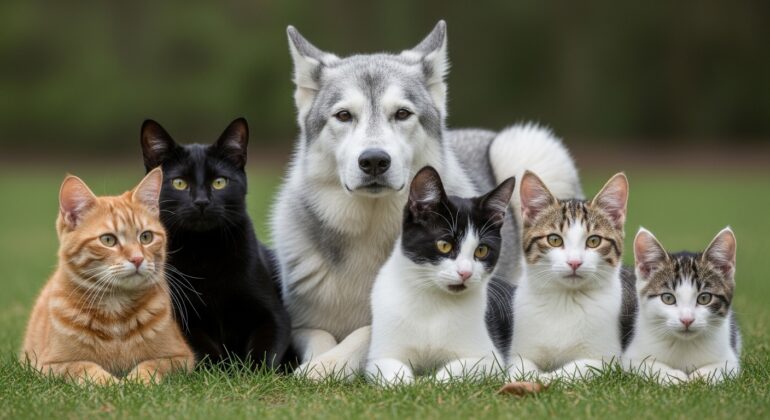
Animals and pets have shared living spaces with humans for thousands of years, evolving from working partners into beloved companions. Today, as more people keep pets indoors and design spaces specifically for them, attention is shifting from basic care toward environmental enrichment. Lighting, sound, layout, and daily routines all influence animal behavior, emotional health, and physical well-being. Understanding how animals experience their surroundings helps owners create safer, calmer, and more stimulating homes for the creatures they care about.
Understanding How Animals Perceive Their Environment
Animals perceive the world differently than humans. Dogs, for example, rely heavily on smell and movement, while cats are more sensitive to light changes and vertical space. Small mammals such as hamsters and rabbits respond strongly to noise and vibration. Reptiles and fish are particularly sensitive to temperature and lighting cycles.
Because of these differences, an environment that feels neutral to a human may be stressful to an animal. Harsh lighting, sudden brightness changes, or dark corners can influence feeding habits, sleep cycles, and even immune response. For indoor pets, artificial environments replace natural cues like sunrise, sunset, and seasonal changes, making environmental design especially important.
Lighting and Animal Well-Being
Light plays a crucial role in regulating circadian rhythms across species. Dogs and cats adjust their sleep-wake cycles based on light exposure, while birds and reptiles depend on precise lighting schedules to maintain hormonal balance. Improper lighting can lead to lethargy, aggression, or anxiety.
Soft, indirect lighting tends to reduce stress for most mammals. Gradual transitions between light and dark mimic natural conditions better than sudden on/off switches. In aquariums and terrariums, programmable lighting systems help replicate natural day-night cycles, improving feeding patterns and overall vitality.
In recent years, pet owners and breeders have started working with a Custom LED strip lights supplier to design lighting solutions tailored to animal habitats. These systems allow precise control over brightness, color temperature, and timing, making them suitable for everything from cozy dog sleeping areas to reptile enclosures and bird rooms. When used thoughtfully, such lighting can support healthier daily rhythms without overwhelming sensitive animals.
Creating Safe and Stimulating Spaces
Beyond lighting, physical layout matters greatly. Animals need zones for rest, play, and observation. Cats benefit from vertical structures like shelves or trees that allow them to survey their surroundings. Dogs prefer clearly defined sleeping areas where they feel protected. Small pets need hiding spots to reduce stress, especially in busy households.
Environmental enrichment doesn’t mean constant stimulation. Balance is key. Too many toys, sounds, or visual distractions can overwhelm pets, just as boredom can lead to destructive behavior. Rotating toys, changing walking routes, or rearranging enrichment items periodically keeps animals engaged without overstimulation.
Emotional Health and Human Interaction
Animals are highly responsive to human emotions and routines. Consistent schedules help pets feel secure, while unpredictable behavior can cause anxiety. Lighting again plays a subtle role here. Warm evening light often signals relaxation, encouraging pets to settle down, while brighter daytime lighting supports activity and play.
For pets left alone during work hours, environmental cues become even more important. Automated feeders, soft background sounds, and stable lighting patterns help reduce loneliness and separation stress. Many owners underestimate how small changes, such as adjusting light placement or intensity, can significantly affect a pet’s comfort during long periods alone.
Multi-Pet Households and Environmental Balance
Homes with multiple animals face additional challenges. Different species or personalities may have conflicting needs. A shy cat may avoid brightly lit, high-traffic areas, while a dog may thrive there. Zoning spaces with varied lighting levels and layouts helps accommodate diverse preferences within one household.
For breeders, shelters, and veterinary clinics, environmental design becomes even more critical. Reducing stress in these settings improves recovery, socialization, and adoptability. Thoughtful lighting and space planning are increasingly recognized as essential components of professional animal care.
The Future of Pet-Centered Living Spaces
As the pet industry continues to grow, so does innovation in pet-focused home design. Smart lighting, climate control, and modular furniture are no longer luxuries but practical tools for responsible ownership. Customization allows environments to adapt as animals age, develop health conditions, or change behavior patterns.
What remains constant is the principle that animals thrive when their environments respect their natural instincts. By observing how pets respond to light, space, and routine, owners can make informed choices that enhance quality of life. Whether it’s a simple reading nook shared with a cat or a fully customized habitat designed with professional input, these environments strengthen the bond between humans and animals.
Ultimately, caring for animals and pets extends beyond food and medical attention. It involves creating spaces that support physical health, emotional stability, and natural behavior. When environments are designed with empathy and knowledge, animals don’t just live alongside humans—they truly flourish.