

Understanding the Fundamentals of Specialized Healthcare
When we talk about specialized healthcare, we are referring to a branch of medical services that focuses on specific areas of expertise. Unlike general primary care, which addresses a broad range of health concerns, specialized healthcare digs deep into particular conditions, organ systems, or patient populations. It involves professionals who have undergone extensive additional training and education in their chosen fields, mastering the latest advancements and treatment protocols.
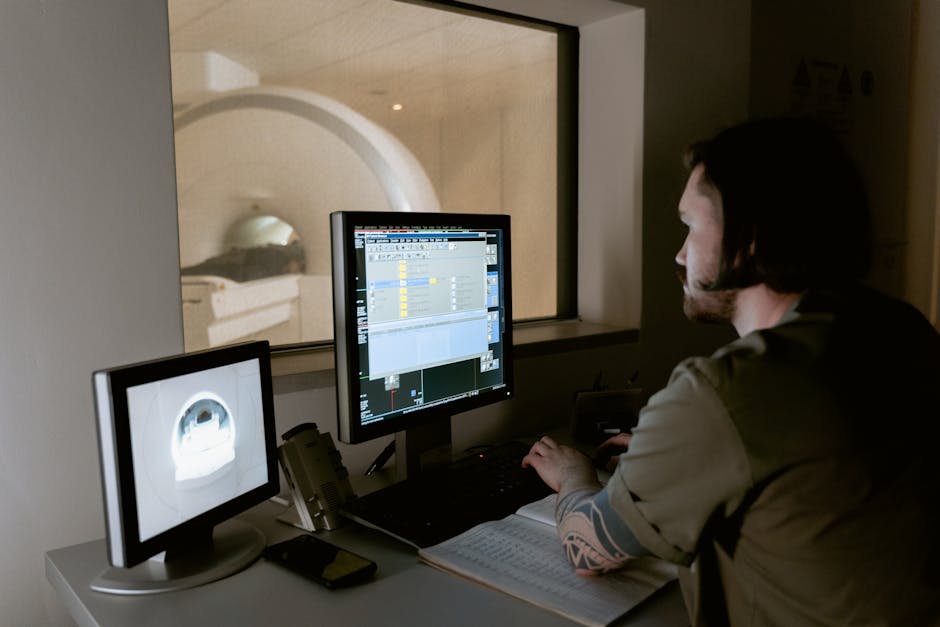
Our understanding is that specialized healthcare is defined by its precision and the in-depth knowledge required to diagnose and treat complex conditions. This level of expertise ensures that patients receive custom treatments that are often more effective and targeted than general approaches. The importance of specialized care cannot be overstated; it’s crucial for enhancing patient outcomes, promoting cutting-edge research and innovation, and facilitating truly collaborative care. By concentrating on specific areas, healthcare providers can deliver highly targeted and effective care, addressing the unique needs of each patient. This often involves access to advanced technologies and techniques, which are typically beyond the scope of general practice, and a multidisciplinary care approach where various experts collaborate to create holistic treatment plans.
Who Provides Specialized Care?
The delivery of specialized healthcare is a complex undertaking that relies on a diverse team of highly trained professionals. At the forefront are medical specialists (MDs or DOs) who dedicate their practice to a specific area of medicine, such as cardiology, oncology, or neurology. These physicians possess an unparalleled depth of knowledge in their respective fields, enabling them to diagnose and manage conditions that require intricate understanding and advanced interventions.
Surgeons represent another critical group, specializing in surgical procedures across various disciplines like orthopedic surgery, cardiovascular surgery, or neurosurgery. Their expertise involves not only the performance of precise surgical interventions but also comprehensive pre-operative assessment and post-operative care.
Diagnostic experts, including radiologists and pathologists, play an indispensable role in identifying and diagnosing diseases. Radiologists interpret imaging tests like X-rays, MRIs, and CT scans, while pathologists analyze tissue samples and bodily fluids to provide crucial diagnostic information. Their work is foundational for guiding treatment decisions across all specialties.
Beyond physicians and surgeons, a broad array of allied health professionals forms the backbone of specialized care teams. These include physical therapists who help patients regain mobility and function, occupational therapists who assist individuals in developing or recovering skills needed for daily living, and chiropractors who focus on musculoskeletal health, particularly spinal adjustments. The collaborative effort of these diverse professionals ensures that patients receive comprehensive and well-rounded care addressing all facets of their health.
Key Advantages for Patients
The benefits of specialized healthcare for patients are profound and far-reaching. We consistently observe that receiving care from specialists leads to:
- Targeted Treatment Plans: Specialists develop highly individualized treatment strategies based on a deep understanding of specific conditions, leading to more effective interventions.
- Access to Cutting-Edge Research and Technology: Specialized centers are often at the forefront of medical innovation, offering patients access to the latest diagnostic tools, advanced therapies, and clinical trials that might not be available in general practice.
- Comprehensive Care Plans: Multidisciplinary teams collaborate to address all aspects of a patient’s health, ensuring a holistic approach that considers physical, emotional, and social well-being.
- Improved Diagnostic Accuracy: With their focused expertise and advanced diagnostic tools, specialists can often identify complex or rare conditions more accurately and earlier, preventing misdiagnosis and delayed treatment.
- Better Management of Chronic and Complex Conditions: For patients living with long-term or intricate health issues, specialists provide ongoing, expert management that can significantly improve quality of life and slow disease progression.
These advantages underscore why specialized healthcare is not just an option but often a necessity for optimal health outcomes when facing specific or complex medical challenges.
The Broad Spectrum of Specialized Healthcare Services
The landscape of specialized healthcare is vast and continually evolving, reflecting the complexity of the human body and the advancements in medical science. We categorize these services broadly into medical, surgical, and diagnostic specialties, each playing a crucial role in addressing specific health needs.
Medical specialties focus on the diagnosis and non-surgical treatment of diseases. For instance, cardiology deals with heart and blood vessel disorders, oncology is dedicated to cancer diagnosis and treatment, and neurology addresses conditions affecting the brain, spinal cord, and nervous system. These specialists manage chronic conditions, administer medications, and provide long-term care.
Surgical specialties involve the performance of surgical procedures to treat injuries, diseases, and deformities. Orthopedic surgery focuses on the musculoskeletal system, repairing bones, joints, ligaments, and tendons. Neurosurgery is concerned with surgical interventions on the brain, spinal cord, and peripheral nerves. Other surgical fields include cardiovascular surgery, general surgery, and plastic surgery, each requiring immense precision and specialized training.
Diagnostic specialties are foundational to all other areas of medicine, providing the necessary information for accurate diagnoses. Radiology uses imaging techniques such as X-rays, CT scans, MRIs, and ultrasounds to visualize internal body structures. Pathology involves the examination of tissues, organs, and bodily fluids to determine the cause and nature of diseases. These diagnostic insights are indispensable for guiding effective treatment plans across the entire spectrum of specialized care.

In-Depth Examples: Pain, Vision, and Dental Specialists
To illustrate the depth and breadth of specialized healthcare, we can look closely at areas like pain management, vision care, and dental health, where specialized expertise significantly impacts patient well-being.
Chronic pain management is a highly specialized field dedicated to alleviating persistent pain that often doesn’t respond to conventional treatments. Our pain management experts understand that pain is a complex, individual experience, and generic treatments are often ineffective. They employ a range of interventional procedures, such as nerve blocks, epidural steroid injections, neurotoxin injections, and cryoneurolysis, alongside medication management, physical therapy, and psychological support. The goal is not just to mask pain but to identify its source and develop a personalized, multidisciplinary plan to restore function and improve quality of life. For individuals seeking comprehensive care that integrates various treatments for complex pain, a facility like a Global Clinic specialized healthcare provider offers a holistic approach to address their unique needs.
In vision care, specialized eye healthcare goes far beyond routine eye exams. Ophthalmologists, for example, are medical doctors who specialize in eye and vision care, performing eye exams, diagnosing and treating eye diseases, prescribing medications, and conducting eye surgery. They manage advanced conditions like glaucoma, cataracts, macular degeneration, and diabetic retinopathy. Specialized vision centers are equipped with advanced diagnostic technologies and surgical suites to perform intricate procedures, ensuring that patients receive the highest level of care for their sight. For those with complex eye conditions, advanced Specialized eye healthcare services are essential for preserving vision and improving ocular health.
Similarly, dental health encompasses a range of specialized services distinct from general dentistry. While general dentists provide routine check-ups, cleanings, and basic restorative work, Specialized dental healthcare services address more intricate issues. For example, endodontists specialize in root canal therapy, treating diseases and injuries of the dental pulp. Periodontists focus on the prevention, diagnosis, and treatment of periodontal disease (gum disease) and the placement of dental implants. Orthodontists correct misaligned teeth and jaws, while oral and maxillofacial surgeons perform complex surgical procedures involving the mouth, jaws, and face. These specialists ensure that patients receive precise, expert care for specific dental and oral health challenges, often collaborating with general dentists to achieve optimal outcomes.
The Integral Role of Allied and Therapeutic Health Professionals
Within the intricate mix of specialized healthcare, allied and therapeutic health professionals are indispensable. They work collaboratively with physicians and surgeons, often forming the bridge between diagnosis and recovery, and enabling patients to regain independence and improve their quality of life.
Physical therapy is a cornerstone of rehabilitation, focusing on restoring movement, strength, and function after injury, surgery, or illness. Physical therapists design individualized exercise programs, employ manual therapy techniques, and educate patients on injury prevention and proper body mechanics. This is crucial for conditions ranging from musculoskeletal injuries like those seen in sports medicine to neurological disorders and post-surgical recovery.
Occupational therapy helps individuals overcome physical, cognitive, or developmental challenges to perform daily living skills and participate in meaningful activities. Occupational therapists assist patients in adapting their environment, using assistive devices, and developing strategies to manage tasks like dressing, eating, bathing, and working. For individuals with intellectual developmental disabilities, occupational therapy is vital in enhancing independence and promoting inclusion by helping them engage in everyday activities.
Speech therapy, or speech-language pathology, addresses communication and swallowing disorders. Speech-language pathologists work with patients of all ages who have difficulties with speech articulation, language comprehension, voice disorders, or dysphagia (swallowing difficulties), often stemming from neurological conditions, developmental delays, or head and neck injuries.
The collaborative function of these professionals within a specialized care team is paramount. They ensure that treatment plans are holistic, addressing not only the primary medical condition but also its impact on a patient’s functional abilities, communication, and overall well-being. This integrated approach is a hallmark of effective specialized healthcare, leading to more comprehensive and sustainable patient outcomes.
The Patient Pathway: Accessing and Navigating Specialized Care
Navigating the healthcare system, especially when specialized care is needed, can be a complex journey for many patients. Understanding the typical pathway, from initial referral to managing insurance, is crucial for effective access.
The referral process often serves as the gateway to specialized healthcare services. Typically, a Primary Care Physician (PCP) plays a pivotal role, acting as the initial point of contact for general health concerns. If a patient’s condition requires expertise beyond general practice, the PCP will recommend and facilitate a referral to a specialist. This recommendation is based on their assessment of the patient’s specific health needs and ensures that the patient sees the most appropriate expert. This process helps coordinate care and ensures continuity between general and specialized medical attention.
While PCPs are often the first step, some specialties allow for self-referral options. For instance, patients may directly schedule appointments with dentists, optometrists, or some physical therapists without a prior referral. However, it’s always advisable to check with your insurance provider, as referral requirements can vary significantly depending on your plan and the specific specialty.
Understanding insurance coverage is another critical aspect of accessing specialized care. Patients need to be aware of whether a specialist is in-network or out-of-network with their insurance plan, as this can greatly impact out-of-pocket costs. Many specialized services also require prior authorization from the insurance company before treatment can begin. We recommend that patients review their insurance policies carefully and communicate directly with their providers to understand the extent of coverage for specialized healthcare services, including any co-pays, deductibles, or specific authorization procedures.

Overcoming Common Challenges in Access
Despite the clear advantages of specialized healthcare, accessing these services can present significant problems for many individuals. We recognize that these challenges often lead to delays in care and can exacerbate existing health conditions.
One of the most frequently cited difficulties is wait times. Approximately one-half or more of older Canadians, for example, reported waiting too long as a difficulty in obtaining specialized healthcare services. This issue is often compounded by difficulties in getting an appointment or even securing a referral in the first place.
Geographic barriers also play a substantial role, particularly in rural vs. urban disparities. Individuals living in remote or rural areas often face long travel distances to specialized centers, which can result in delayed care and increased costs associated with travel and accommodation. While some individuals may adapt to these circumstances, the lack of proximity to specialists remains a significant impediment for many.
Socioeconomic factors further complicate access. Our research indicates that lower education is consistently associated with lower odds of specialized healthcare service use. Similarly, individuals with lower income levels and certain immigrant populations may face greater difficulties. These factors can influence awareness of available services, ability to steer complex healthcare systems, and financial capacity to cover related costs.
Systemic problems, such as the availability of appointments and the efficiency of the referral system, are also major contributors to access difficulties. In Canada, for instance, the healthcare system relies heavily on PCPs for specialist referrals, and a shortage of PCPs or inefficient referral pathways can create bottlenecks.
The COVID-19 pandemic introduced an unprecedented layer of complexity, significantly influencing the use of specialized healthcare services. During the pandemic period, there were lower odds observed for certain non-emergency services and demographics, as resources were diverted to acute COVID-19 care and many non-urgent appointments were postponed or cancelled. This backlog has further strained an already challenged system, potentially increasing wait times and access difficulties for many, especially older Canadians who often rely on these services.
How Specialized Healthcare Services Cater to Diverse Populations
Specialized healthcare is not a one-size-fits-all solution; it must adapt to the unique needs of diverse populations. We are committed to understanding and addressing the specific requirements of various groups, from older adults to individuals with intellectual developmental disabilities.
For older adults, specialized healthcare is increasingly vital as Canada, like many nations, experiences rapid population aging. In 2019/2020, an estimated 2.6 million older Canadians (43.4%) visited medical specialists, 1.4 million (23.2%) underwent non-emergency tests, and 0.6 million (10.4%) had non-emergency surgeries. However, among those who accessed these services, 15.6% reported experiencing difficulties. Factors such as multimorbidity, high stress, and disability significantly increase both the use of specialized services and the likelihood of encountering access difficulties. We also observe gender-based differences in utilization, with women less likely than men to have visited medical specialists and received non-emergency tests. Addressing these disparities requires targeted interventions that consider the unique health profiles and social determinants of health affecting older Canadians.
For individuals with intellectual developmental disabilities (IDD), specialized healthcare takes on a profoundly holistic and supportive dimension. Our approach focuses on enhancing social skills and promoting independence through a variety of coordinated therapies and activities. This includes engaging in nature activities, simple cooking classes, and arts and crafts to foster social interaction and skill development. We also coordinate closely with therapeutic agencies to provide essential occupational, speech, physical, and behavioral therapy. A key aspect of this care is supporting Activities of Daily Living (ADL), such as grooming, bathing, dressing, and completing tasks, which promotes greater inclusion and independence. The unique insight here is the integration of everyday activities and nature-based interventions as therapeutic tools, demonstrating a patient-centered approach that extends beyond traditional clinical settings.
By tailoring services and addressing specific barriers, specialized healthcare aims to provide equitable and effective care for all, recognizing that diverse populations have distinct needs and challenges in their health journeys.
Frequently Asked Questions about Specialized Healthcare
We often encounter common questions about specialized healthcare, particularly regarding its distinction from primary care, referral processes, and the benefits of a team-based approach. Here, we address some of these key inquiries.
What is the main difference between primary care and specialized healthcare?
The main difference lies in their scope and focus. Primary care serves as your first point of contact for general health concerns. Your primary care physician (PCP) or family doctor provides comprehensive, continuous, and preventive care, managing common illnesses, conducting routine check-ups, and coordinating your overall health. They are generalists who address a broad spectrum of health issues.
In contrast, specialized healthcare offers focused expertise for specific, complex, or chronic conditions. Specialists have undergone advanced training in a particular area of medicine (e.g., cardiology, oncology, orthopedics). They possess in-depth knowledge and use advanced diagnostic tools and treatment modalities pertinent to their field. The relationship between PCPs and specialists is collaborative; your PCP typically refers you to a specialist when your condition requires more targeted expertise, ensuring a coordinated and comprehensive approach to your health.
Do I always need a referral to see a specialist?
Whether you need a referral to see a specialist largely depends on your insurance plan and the type of specialist you wish to see. Many insurance plans, particularly HMOs (Health Maintenance Organizations) and some PPOs (Preferred Provider Organizations), require a referral from your primary care physician before you can consult a specialist. This is often to ensure that your care is coordinated and medically necessary, and it can affect your insurance coverage if not followed.
However, there are also direct-access specialties where a referral might not be strictly necessary. For example, you can typically schedule appointments directly with a dentist, optometrist, or chiropractor without a referral. In some cases, physical therapy may also be directly accessible. We always advise checking with your insurance provider directly to understand their specific requirements for specialist visits. This step can save you time, ensure coverage, and prevent unexpected out-of-pocket expenses.
What are the advantages of a multidisciplinary healthcare team?
The advantages of a multidisciplinary healthcare team are significant, especially for patients with complex or chronic health conditions. We believe that a team-based approach leads to superior patient outcomes due to several key benefits:
- Holistic Treatment Plans: A multidisciplinary team, composed of experts from different fields (e.g., a surgeon, an oncologist, a physical therapist, and a nutritionist), collaborates to develop a comprehensive treatment plan. This ensures that all aspects of a patient’s health – physical, mental, and social – are considered, leading to more integrated and effective care.
- Collaboration and Diverse Perspectives: Each specialist brings their unique expertise and perspective to the table, allowing for a more thorough understanding of the patient’s condition and a wider range of treatment options. This collective intelligence often results in more innovative and custom solutions.
- Comprehensive Approach to Complex Health Conditions: For conditions like cancer, neurological disorders, or severe injuries, a single specialist may not be sufficient. A team ensures that all necessary interventions, from diagnosis and surgery to rehabilitation and psychological support, are seamlessly integrated.
- Improved Communication and Coordination of Care: With a dedicated team, communication among providers is improved, reducing the likelihood of fragmented care, redundant tests, or conflicting advice. This streamlined coordination benefits the patient by making their healthcare journey smoother and more efficient.
A multidisciplinary team ensures that patients receive the most complete, well-coordinated, and effective care possible, optimizing their chances for recovery and long-term well-being.
Conclusion
In concluding our exploration of specialized healthcare services, we reflect on their indispensable role in modern medicine. From the focused expertise of a pain management specialist to the precision required in advanced eye care and the intricate procedures of specialized dentistry, these services are designed to address the most specific and complex health needs. We’ve highlighted how specialized care, delivered by highly trained professionals and supported by advanced technology, offers custom treatment plans, improves diagnostic accuracy, and ensures comprehensive, multidisciplinary support for patients.
We understand that navigating the pathway to specialized care can present challenges, from referral processes and insurance complexities to geographic barriers and socioeconomic disparities. However, by being informed advocates for our own health, understanding the available resources, and proactively engaging with our primary care providers, we can overcome many of these problems. The commitment to catering to diverse populations, including older adults and individuals with intellectual developmental disabilities, further underscores the human-centered approach that defines effective specialized healthcare.
The value of collaboration between patients, primary care providers, and specialists cannot be overstated. It is this synergy that ultimately leads to optimal health outcomes, allowing us to live healthier, more fulfilling lives. As healthcare continues to evolve, our collective understanding and appreciation for specialized healthcare services will only grow, empowering us all to make the best decisions for our well-being.