
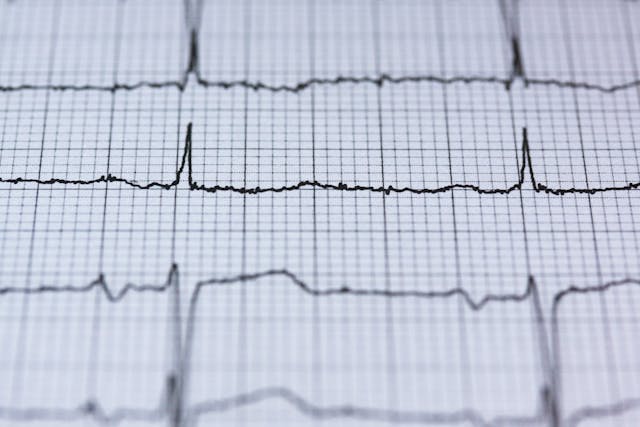
If you’ve ever felt a sudden “flutter,” racing heartbeat, skipped beats, or episodes of dizziness that seem to come out of nowhere, you’re not alone. Many of these symptoms can be caused by arrhythmias—electrical rhythm problems in the heart. While medications can help, some rhythm disorders continue to break through treatment or create side effects that impact daily life. That’s where cardiac ablation procedures come in.
At Liv Hospital, ablation is part of modern electrophysiology care designed to correct the source of abnormal electrical signals—often with a minimally invasive approach.
What “Ablation” Means in Cardiology
Ablation is a procedure that intentionally creates a small, controlled area of scar tissue (or tissue change) in the heart to stop faulty electrical signals from triggering an abnormal rhythm. The concept is simple:
- Identify where the arrhythmia starts (or the pathway it uses).
- Deliver targeted energy to that spot.
- Prevent the rhythm from restarting or spreading.
Most ablations are performed using catheters (thin flexible tubes) guided through a blood vessel to the heart—commonly called catheter ablation.
Conditions Commonly Treated With Ablation
Ablation isn’t “one procedure for everything.” It’s tailored to the specific rhythm problem, such as:
- Atrial fibrillation (AFib): Irregular rhythm from the upper chambers (atria)
- Atrial flutter: Often a more organized “looping” rhythm in the atria
- SVT (supraventricular tachycardia): Fast rhythms from the upper heart, including AVNRT/AVRT
- Certain ventricular arrhythmias: More complex cases depending on the patient’s heart structure
In many rhythm disorders, ablation is considered when symptoms are significant, episodes are frequent, or medications don’t provide reliable control. European guideline discussions also note catheter ablation as an early option in many symptomatic SVT cases due to high effectiveness and low risk in experienced centers.
Types of Ablation Energy
Different energy sources can be used depending on the rhythm, anatomy, and clinical goals:
1) Radiofrequency (RF) Ablation
This uses heat to treat the target tissue. It’s widely used across many arrhythmia types.
2) Cryoablation
This uses cold energy to create a controlled lesion. It’s commonly discussed in AFib treatment approaches and can be useful in certain anatomical areas.
3) Pulsed Field Ablation (PFA)
This newer approach uses non-thermal electrical fields rather than heat/cold. In the U.S., the FDA has cleared specific PFA systems for AFib treatment in recent years.
(Your care team will advise whether it’s appropriate based on your rhythm type and individual anatomy.)
What Happens Before an Ablation
A safe, effective ablation starts with the right pre-procedure workup. This often includes:
- ECG/EKG and rhythm monitoring (Holter or event monitor)
- Echocardiogram to assess structure and pumping function
- Blood tests and medication review
- Sometimes CT/MRI or advanced imaging for mapping and planning (common in more complex cases)
You may also receive guidance on blood thinners (especially for AFib), antiarrhythmic medicines, and fasting instructions.
Step-by-Step: What the Procedure Day Usually Looks Like
While each case is different, a typical catheter ablation journey includes:
- Arrival + preparation
You’ll be checked in, assessed, and connected to monitors. - Sedation or anesthesia
Many ablations are done under sedation; some require deeper anesthesia depending on complexity. - Catheter access
Catheters are inserted through a vein (often the groin) and guided to the heart. - Electrical mapping
The electrophysiology team maps electrical pathways to locate the trigger or circuit. - Energy delivery
RF, cryo, or PFA energy is applied to treat the target area. - Testing + confirmation
The team checks whether the abnormal rhythm can still be triggered. - Recovery monitoring
You’ll be observed post-procedure, and many patients go home the same day or after an overnight stay, depending on the case and local protocol.
Recovery: What Patients Commonly Experience
Recovery varies by arrhythmia type and how extensive the ablation is, but many people experience:
- Mild bruising/soreness at the catheter site
- Fatigue for a few days
- Temporary palpitations or “settling” sensations (often discussed as part of the early healing period)
Your team will typically advise when you can return to work, exercise, and travel. NHS patient guidance for catheter ablation includes expectations around aftercare and recovery, including activity advice and monitoring.
Risks and Safety: What to Know
Catheter ablation is commonly performed worldwide, but it’s still a medical procedure with risks. These can include:
- Bleeding or infection at the catheter site
- Blood vessel injury
- Heart rhythm recurrence (sometimes requiring repeat treatment)
- Rare but serious complications (your clinician will explain these clearly in consent)
Because risk varies based on the arrhythmia, overall health, and heart anatomy, the most important safety step is proper patient selection and expert procedural planning—including choosing the right technology and aftercare plan for you.
Questions Worth Asking at Your Consultation
If you’re exploring ablation, these questions help clarify the plan:
- What arrhythmia do I have, and where is it coming from?
- What type of ablation energy is recommended (RF, cryo, PFA)—and why?
- What results are realistic for my case?
- Will I still need medications or blood thinners afterward?
- What does follow-up look like (ECG, Holter, symptom tracking)?
- How should I prepare in the week before the procedure?
For an overview of services and how ablation fits into rhythm management, visit CARDIOLOGY Ablation Procedures.
Supporting Your Heart Rhythm Long-Term
Even after a successful ablation, long-term rhythm stability often improves with lifestyle support—sleep quality, stress reduction, heart-healthy nutrition, and consistent activity (as medically appropriate). If you’d like practical wellness ideas to complement medical care, you can explore live and feel in the final phase of your recovery and routine-building.