
Ankylosing spondylitis (AS) is a chronic inflammatory condition that primarily affects the spine and sacroiliac joints. Because its early symptoms often resemble common back pain, accurate diagnosis can be challenging. In rheumatology, diagnosis is not based on a single test but on a combination of clinical evaluation, imaging, and laboratory findings.
At Liv Hospital, specialists follow a structured and evidence-based approach to identify ankylosing spondylitis as early as possible. You can explore RHEUMATOLOGY Diagnosis and Evaluation to understand how experts confirm the condition and plan appropriate care.
Why Early Diagnosis Is Important
Ankylosing spondylitis is a progressive disease. If left untreated, chronic inflammation can lead to stiffness, reduced mobility, and even fusion of the spine. Early diagnosis allows for timely intervention, helping to slow disease progression and maintain flexibility.
The challenge is that symptoms often develop gradually and may be mistaken for mechanical back pain. This is why a detailed and specialized evaluation is essential.
Recognizing Inflammatory Back Pain
One of the key steps in diagnosis is distinguishing inflammatory pain from common back pain caused by posture or injury.
Doctors look for specific patterns, such as:
- pain that develops gradually over time
- stiffness in the morning lasting more than 30 minutes
- improvement with physical activity rather than rest
- discomfort that may wake patients during the night
These characteristics help rheumatologists identify whether inflammation is the underlying cause.
Physical Examination and Mobility Assessment
A hands-on clinical examination provides valuable insights into spinal function and joint involvement. Doctors assess posture, flexibility, and areas of tenderness to understand how the disease is affecting the body.
Common evaluations include:
- checking movement in the lower back and spine
- assessing chest expansion during breathing
- identifying pain in the sacroiliac joints
- observing posture and alignment
These findings help establish a baseline for monitoring disease progression over time.
Role of Imaging in Diagnosis
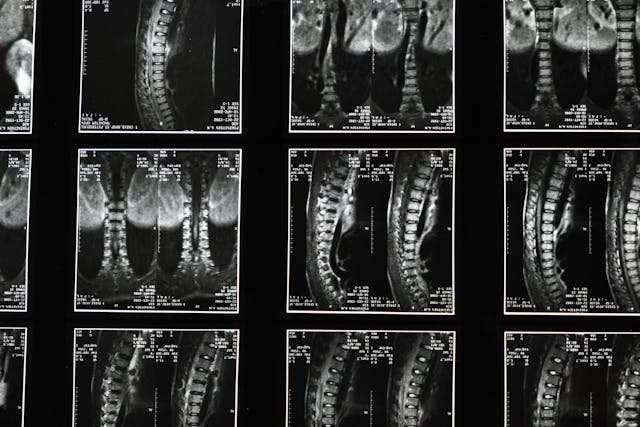
Imaging plays a central role in confirming ankylosing spondylitis. However, different imaging methods are used depending on the stage of the disease.
- X-rays can reveal structural changes in the spine and joints, but these changes may appear only in later stages
- MRI scans are more sensitive and can detect early inflammation before permanent damage occurs
MRI is especially important for identifying non-radiographic forms of the disease, where symptoms are present but X-rays appear normal.
Laboratory Tests and Inflammatory Markers
Blood tests are used to support the diagnosis and assess inflammation levels. While they cannot confirm ankylosing spondylitis on their own, they provide important clues.
Doctors may evaluate:
- CRP (C-reactive protein) and ESR (erythrocyte sedimentation rate) to measure inflammation
- HLA-B27 gene marker, which is associated with a higher risk of developing the condition
It is important to note that not all patients with ankylosing spondylitis test positive for HLA-B27, and some individuals with the gene never develop the disease.
Understanding Non-Radiographic Disease
In some cases, patients experience symptoms of ankylosing spondylitis without visible changes on X-rays. This condition is known as non-radiographic axial spondyloarthritis.
Key characteristics include:
- inflammation visible on MRI but not on X-ray
- similar symptoms to classic ankylosing spondylitis
- potential progression to structural damage over time
Recognizing this early stage is crucial, as treatment can help prevent long-term complications.
Factors That Can Delay Diagnosis
Ankylosing spondylitis is often underdiagnosed or diagnosed late due to several factors:
- symptoms overlap with common back pain
- intermittent or mild early symptoms
- lack of awareness about inflammatory conditions
- differences in symptom presentation, especially in women
Because of these challenges, many patients experience delays in receiving the correct diagnosis.
Preparing for a Rheumatology Evaluation
Being prepared for your appointment can help ensure a more accurate and efficient diagnosis. Patients are often encouraged to provide detailed information about their symptoms and medical history.
Helpful steps include:
- noting when symptoms began and how they have changed
- listing any medications currently being taken
- bringing previous imaging reports or test results
- sharing family history of autoimmune or joint diseases
This information allows the rheumatologist to build a clearer clinical picture.
A Comprehensive and Individualized Approach
Diagnosing ankylosing spondylitis requires combining multiple sources of information—clinical symptoms, imaging results, and laboratory findings. No single test can provide a definitive answer, which is why a comprehensive evaluation is essential.
At specialized centers, multidisciplinary teams ensure that diagnosis is accurate and tailored to each patient’s condition, enabling effective long-term management.
Supporting Long-Term Health and Mobility
While medical evaluation is the first step, maintaining long-term joint health also depends on lifestyle choices such as regular exercise, posture awareness, and overall wellness habits.
For additional guidance on improving daily health routines and maintaining an active lifestyle, you can explore live and feel, a platform dedicated to promoting wellness and balanced living.