
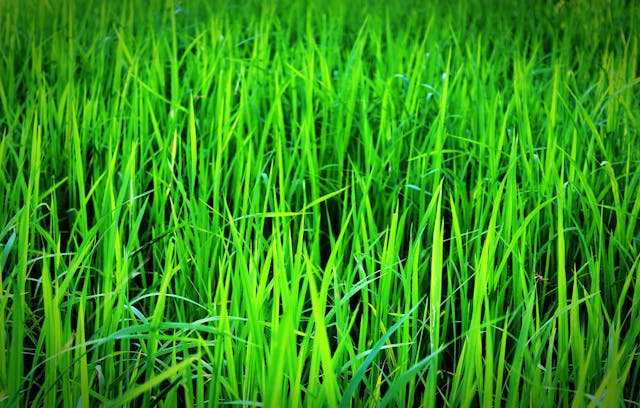
Across neighborhoods large and small, a lush green lawn still stands as a sign of pride—an outdoor space that invites relaxation, play, and connection with nature. But grass isn’t just decorative. When managed thoughtfully, it contributes to local ecology, supports soil health, conserves water, and reduces harmful runoff that affects surrounding waterways. With more homeowners embracing sustainable lifestyles, lawn care practices are evolving from purely aesthetic routines to strategies that balance beauty with environmental responsibility.
Rethinking Lawn Care: Beyond Just Looks
For many, lawn care begins and ends with mowing and watering. But lawns are living ecosystems. They consist of soil microorganisms, nutrient cycles, plant roots, insects, and water flow patterns. Small adjustments in how we care for those ecosystems can have a big impact—not only on the health of a single yard, but on entire neighborhoods.
Getting started doesn’t require perfection. It starts with understanding your space: the soil type beneath your feet, how sunlight moves across your yard, and what grass varieties thrive in your climate. If you’re looking for a sense of how others in your region approach lawn care, resources like lawn care service guidelines for Huntington Woods, Michigan can offer helpful insight into what typically works well in similar environments.
Healthy Soil: The Foundation of a Strong Lawn
The secret to a resilient lawn isn’t just grass—it’s the soil underneath it. Compacted, nutrient-poor soil can make it difficult for grass roots to grow deeply. Shallow roots mean the grass is more vulnerable to drought, heat, and disease.
Aeration is one of the simplest ways to improve soil conditions. By removing small plugs of soil, aeration increases airflow and allows water to reach deeper layers. This encourages a stronger root system that can better access nutrients and moisture.
Adding organic matter like compost also does wonders. Organic material helps improve soil texture, feeds beneficial microbes, and increases the soil’s ability to retain water. Over time, a richer soil reduces the need for chemical fertilizers and encourages a hardier lawn.
Watering Wisely: Deep Roots, Strong Growth
Watering may seem straightforward, but how and when you water makes all the difference. Frequent shallow watering leads to roots that stay near the surface, making grass more susceptible to dry spells and heat stress.
A better approach is deep and infrequent watering. This trains grass roots to grow downward into the soil, where moisture tends to be more reliable. Early morning is the best time to water because temperatures are cooler and evaporation is minimized. Smart irrigation systems and rain sensors can further optimize watering, preventing waste and adapting to actual weather conditions.
Mowing the Right Way
Mowing seems simple, but incorrect technique can stress your lawn. Cutting grass too short—often referred to as “scalping”—weakens the blades and exposes soil to sun and evaporation. Most turf experts recommend mowing so that grass stays about three to four inches tall, depending on the variety.
Keeping mower blades sharp also makes a difference. Dull blades tear the grass instead of cutting cleanly, which can slow recovery and increase vulnerability to pests and disease. Clean, regular cuts help grass heal faster and maintain a strong, healthy appearance.
Feeding and Weed Control Without Excess
Fertilizers provide nutrients that grass needs to grow, but too much or improperly timed application can cause more harm than good. Excess nutrients can wash into storm drains during rainstorms and feed algae in nearby rivers and lakes. Slow-release or organic fertilizer options feed grass gently and reduce the risk of runoff.
Weeds often appear where grass is thin or stressed. A dense, vigorous lawn naturally suppresses many common weeds by limiting the space and sunlight they need to take root. When weeds do appear, targeted removal and eco-friendly treatments help manage them without harming surrounding plants or soil biology.
Your Lawn as Part of a Bigger Ecosystem
Thoughtful lawn care doesn’t just improve a single yard—it enhances entire communities. Reduced water use, minimal chemical reliance, and improved soil health contribute to cleaner local water sources and stronger habitats for beneficial insects like pollinators. Sharing sustainable practices with neighbors or participating in community gardening initiatives amplifies these benefits.
Healthy lawns are more than a backdrop for summer barbecues; they are active participants in local ecosystems. With a bit of care and a few mindful adjustments, your lawn can be both beautiful and environmentally responsible, helping create greener, more resilient neighborhoods.